Start with the guest, not the substitute
A guest choosing not to drink alcohol may want something celebratory, something that works with dinner, or simply a drink more interesting than plain water. Their reasons are their own. A welcoming restaurant does not need to ask for an explanation or treat the choice as an exception. It needs options that feel like a considered part of the menu.
Begin by looking at the occasions your restaurant serves. A quick lunch may call for a refreshing, easy-to-order drink, while a long dinner might leave room for a more layered choice. Guests also differ in how much sweetness, bitterness, acidity and carbonation they enjoy. A small, varied selection is often more useful than a long list of drinks built around the same juice and syrup.
Build drinks around flavor and food
Nonalcoholic drinks can have structure without imitating cocktails. Tea can bring tannin or a roasted note; citrus can add brightness; herbs, ginger and spices can provide aroma or warmth. Bubbles can make a drink feel lively, while a chilled, still drink may suit a quieter meal. The goal is balance: if one ingredient is intensely sweet or tart, consider what will soften or contrast with it.
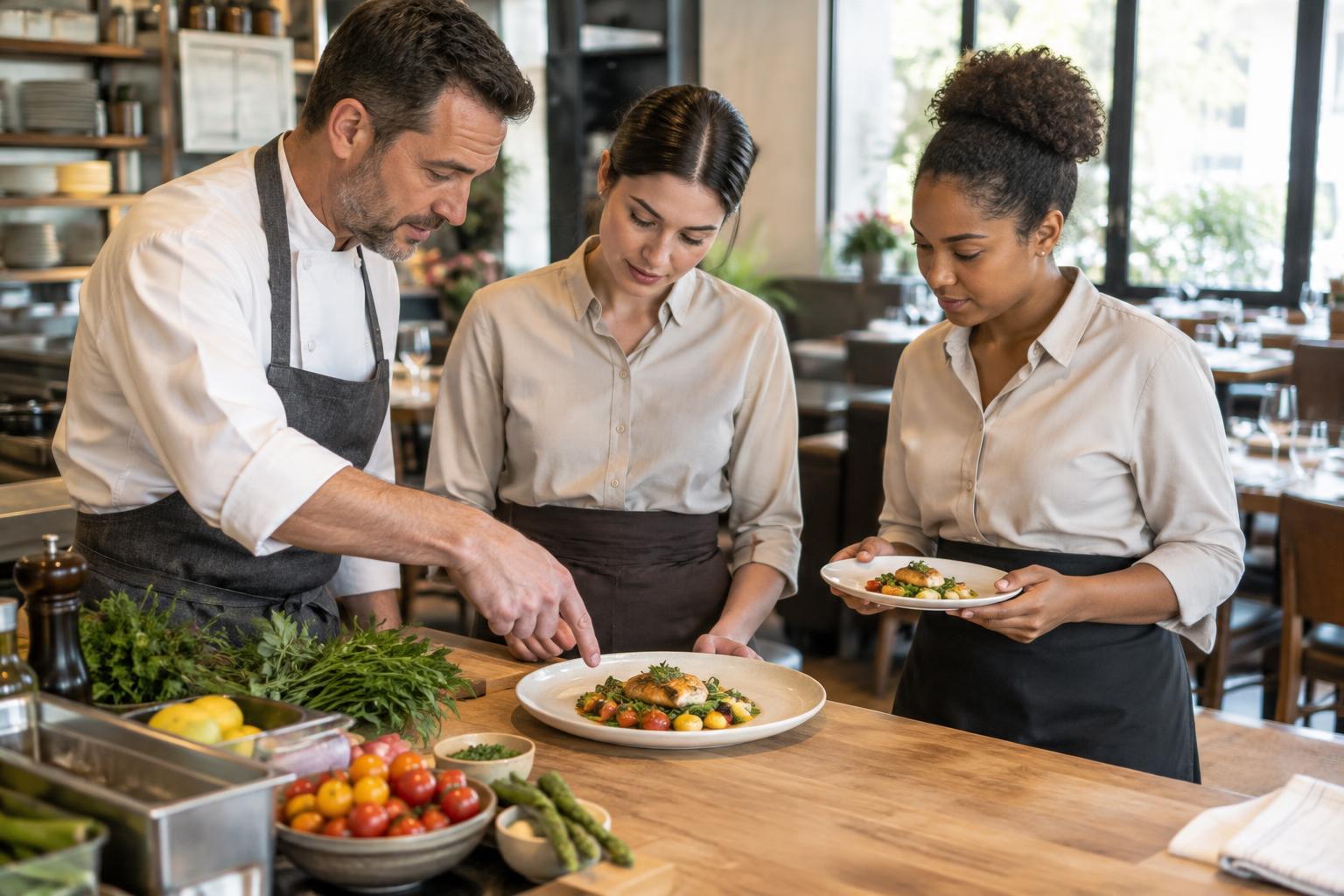
Think about how each drink behaves beside food. A crisp, acidic option may cut through a rich dish, while a gently spiced drink may complement savory flavors. Staff can test these combinations using dishes already on the menu and describe what they notice in ordinary language. Pairing suggestions should be invitations, not rules; guests should feel free to order what they like.
Make the menu easy to navigate
Give nonalcoholic drinks a visible place on the menu rather than hiding them below the alcoholic list. Names can be distinctive, but descriptions should tell guests what they will taste. “Cucumber, lime and mint; light and sparkling” offers more guidance than a clever name alone. If a drink is notably bitter, spicy or sweet, say so. Clear descriptions help guests choose confidently and reduce the need for a lengthy exchange at the table.
Ingredient details matter, too. A drink described as nonalcoholic may contain an ingredient a guest wishes to avoid, and dietary needs can vary. Staff should have access to recipes and be ready to check an ingredient rather than guess. Where substitutions are possible, explain what they change about the drink. Consistent naming and preparation across menus, ordering systems and service notes help prevent confusion.
Give service the same care as the recipe
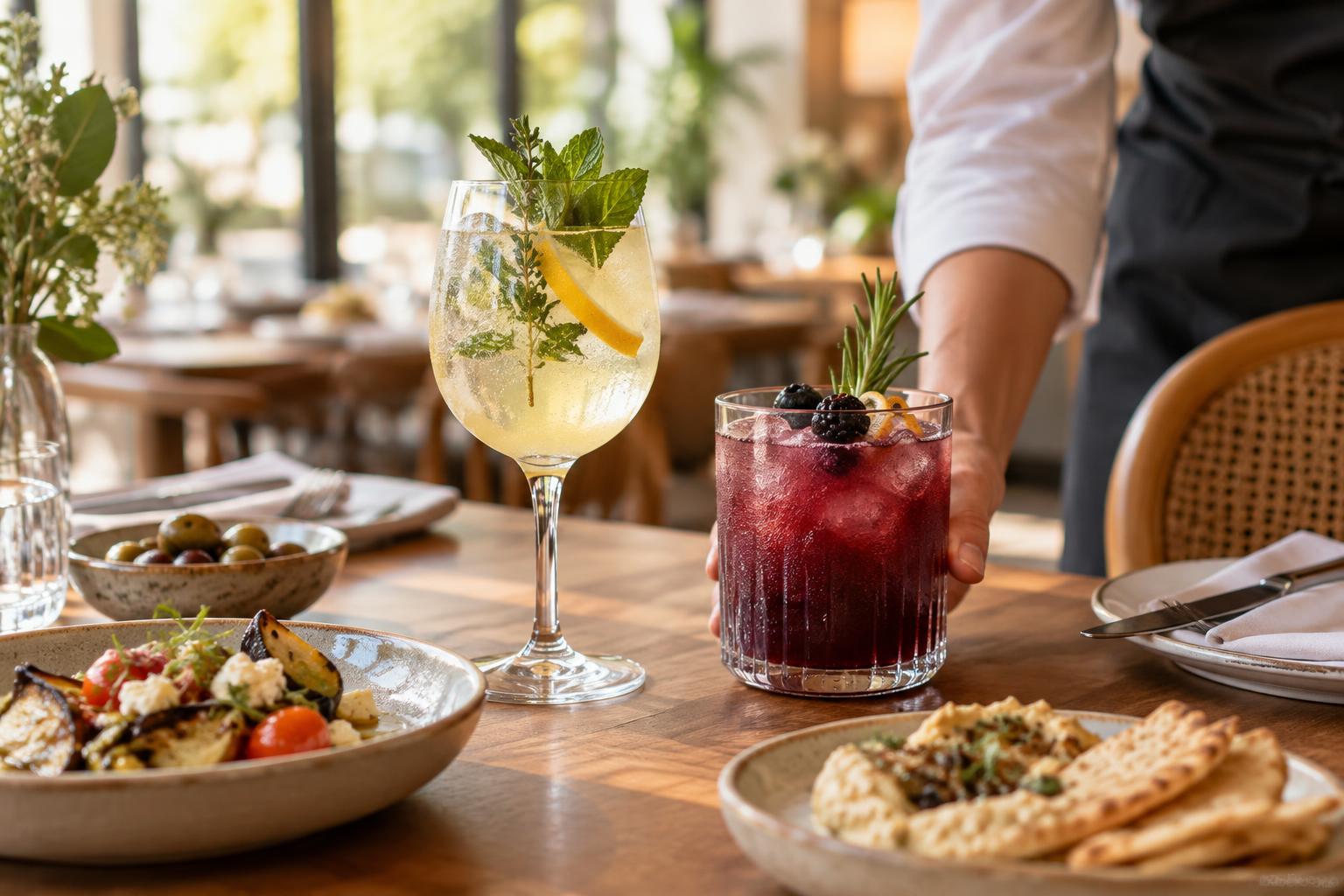
The way a drink arrives shapes the experience. Appropriate glassware, a clean garnish and the right serving temperature show care without making the presentation elaborate. A simple sparkling drink served promptly and well can feel more satisfying than a complicated recipe that is slow or inconsistent. Nonalcoholic orders should receive the same attention to timing and presentation as other beverages.
Service language also matters. Instead of offering a nonalcoholic drink as a consolation, staff can describe it with the same confidence they use for any other menu item. A useful question might be, “Would you prefer something bright and sparkling or something less sweet?” If a guest declines alcohol, that answer is enough. Attentive service makes room for preferences without turning them into a topic of conversation.
Design for consistency and change
A strong beverage experience has to work on a busy shift, not just during a tasting. Choose recipes staff can repeat with the equipment and ingredients available. Record measurements, preparation steps, glassware and garnish so the drink tastes familiar each time. Consider whether ingredients can be used across several drinks or dishes, and check that the finished drink still looks and tastes good during service.
Finally, listen to what guests and staff actually encounter. Are descriptions prompting the right expectations? Do people ask for a less sweet version? Is one garnish difficult to prepare when the dining room fills? Small adjustments can make the menu easier to serve and more enjoyable to order. Building beyond alcohol is not about reproducing every traditional cocktail. It is about giving more guests a drink that belongs at the table.