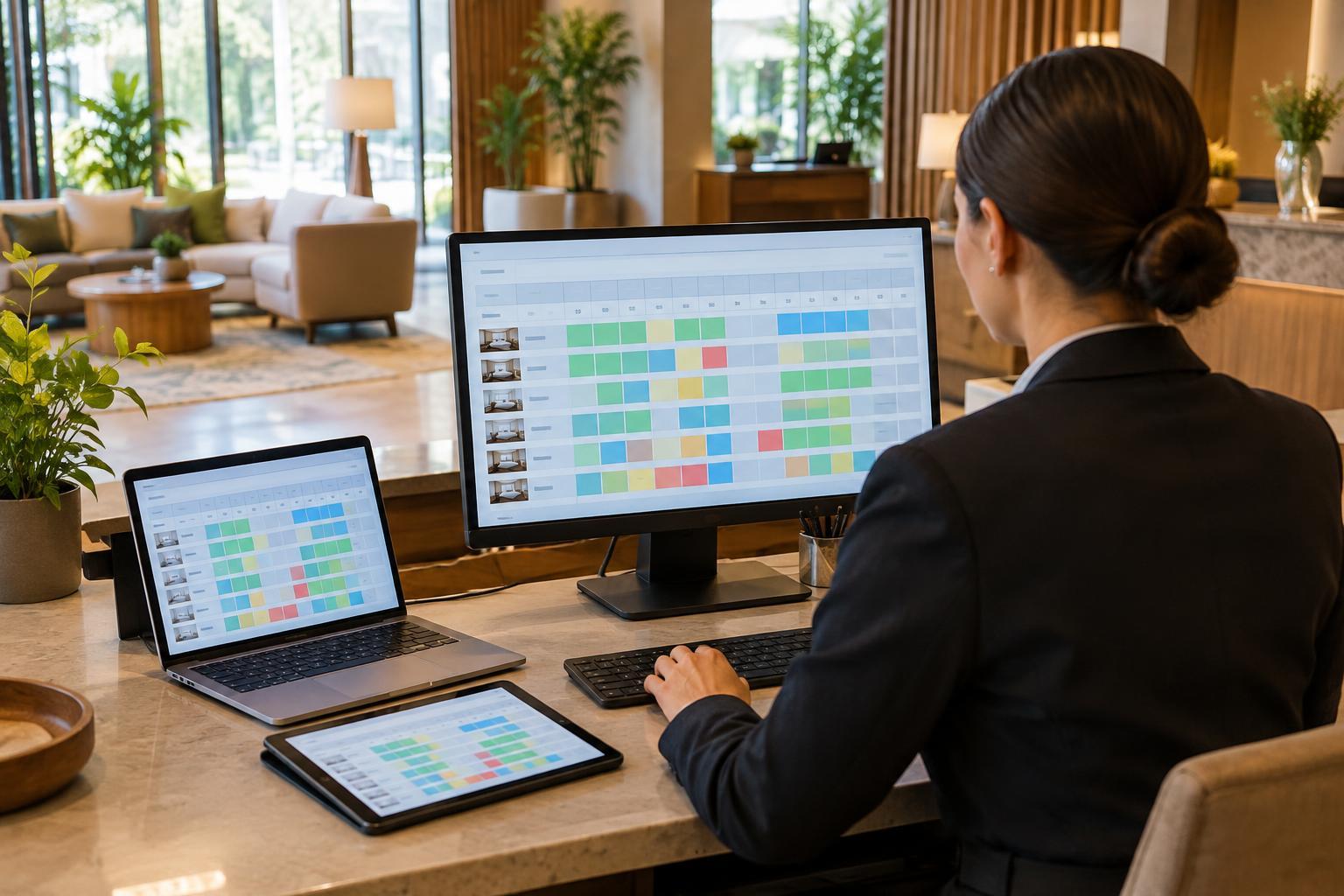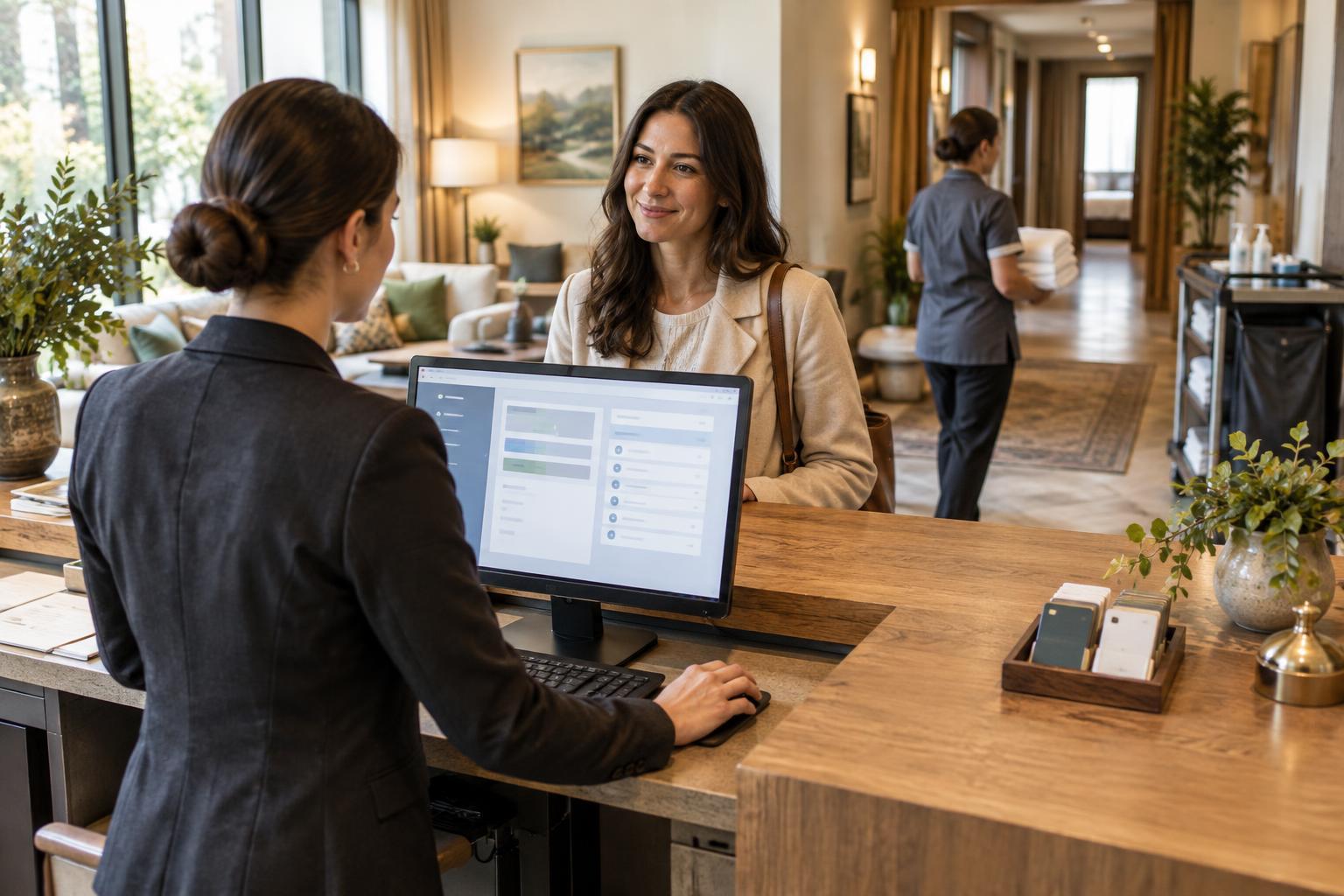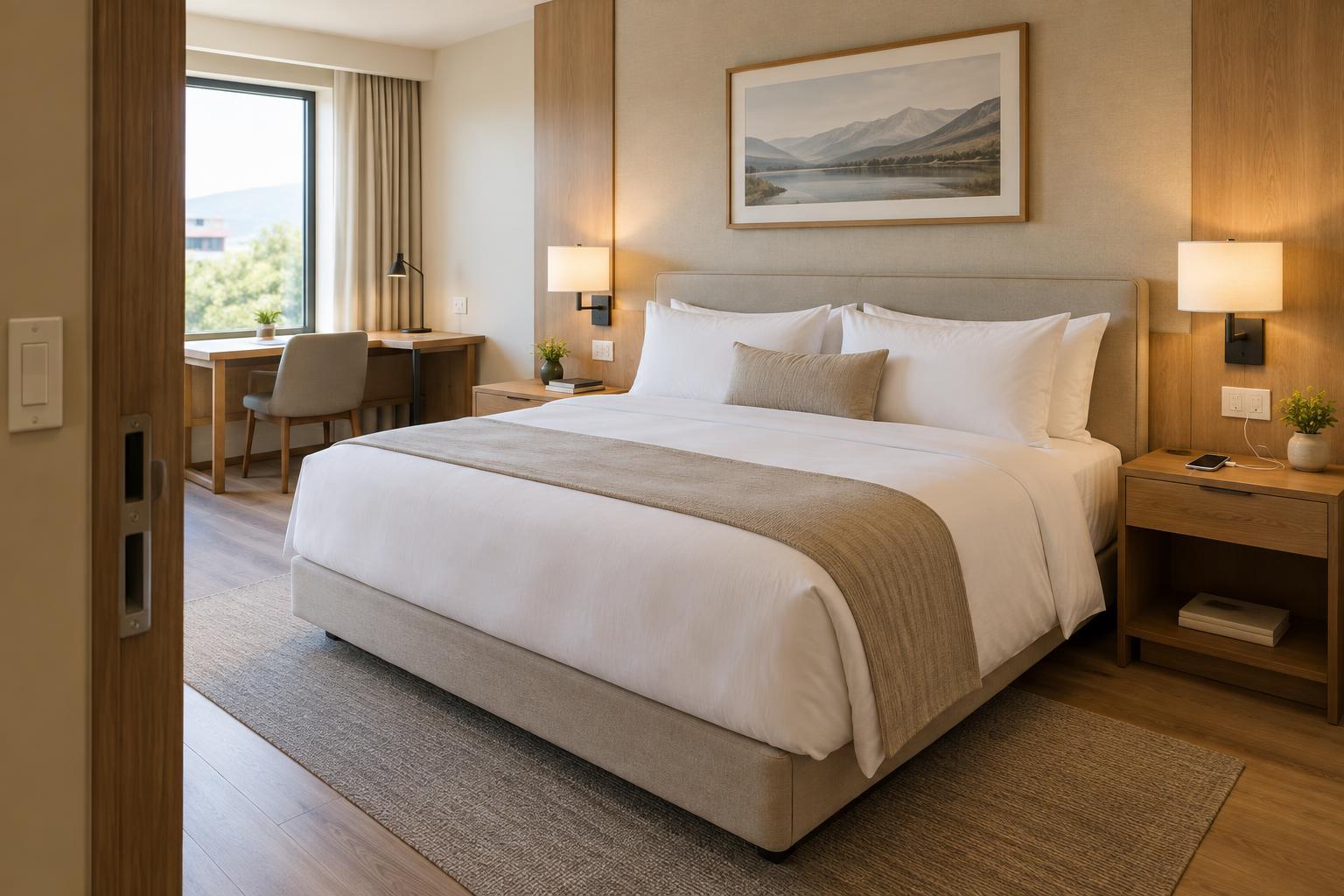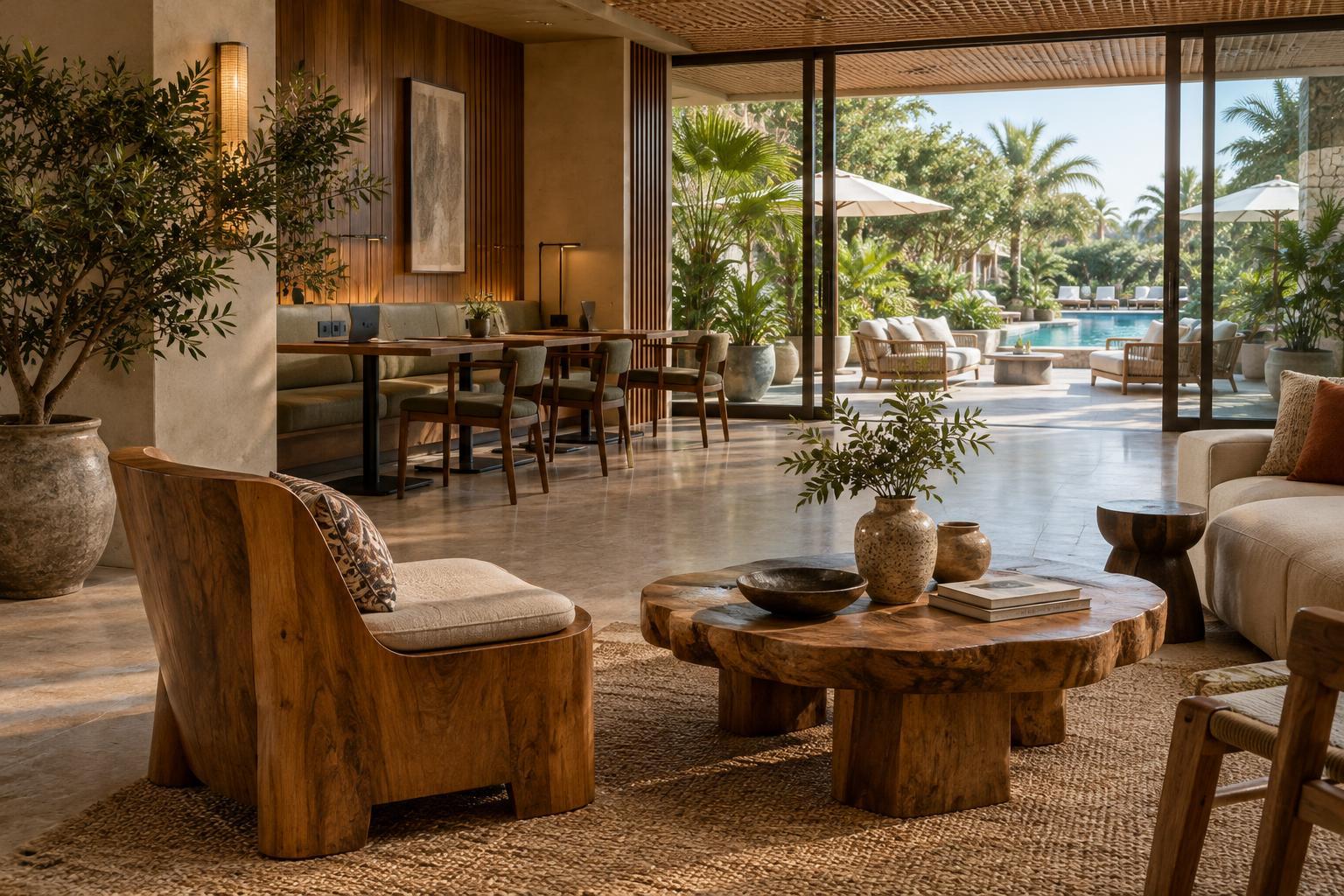
Shared Hotel Spaces: What Guests Expect From Lobbies and Lounges
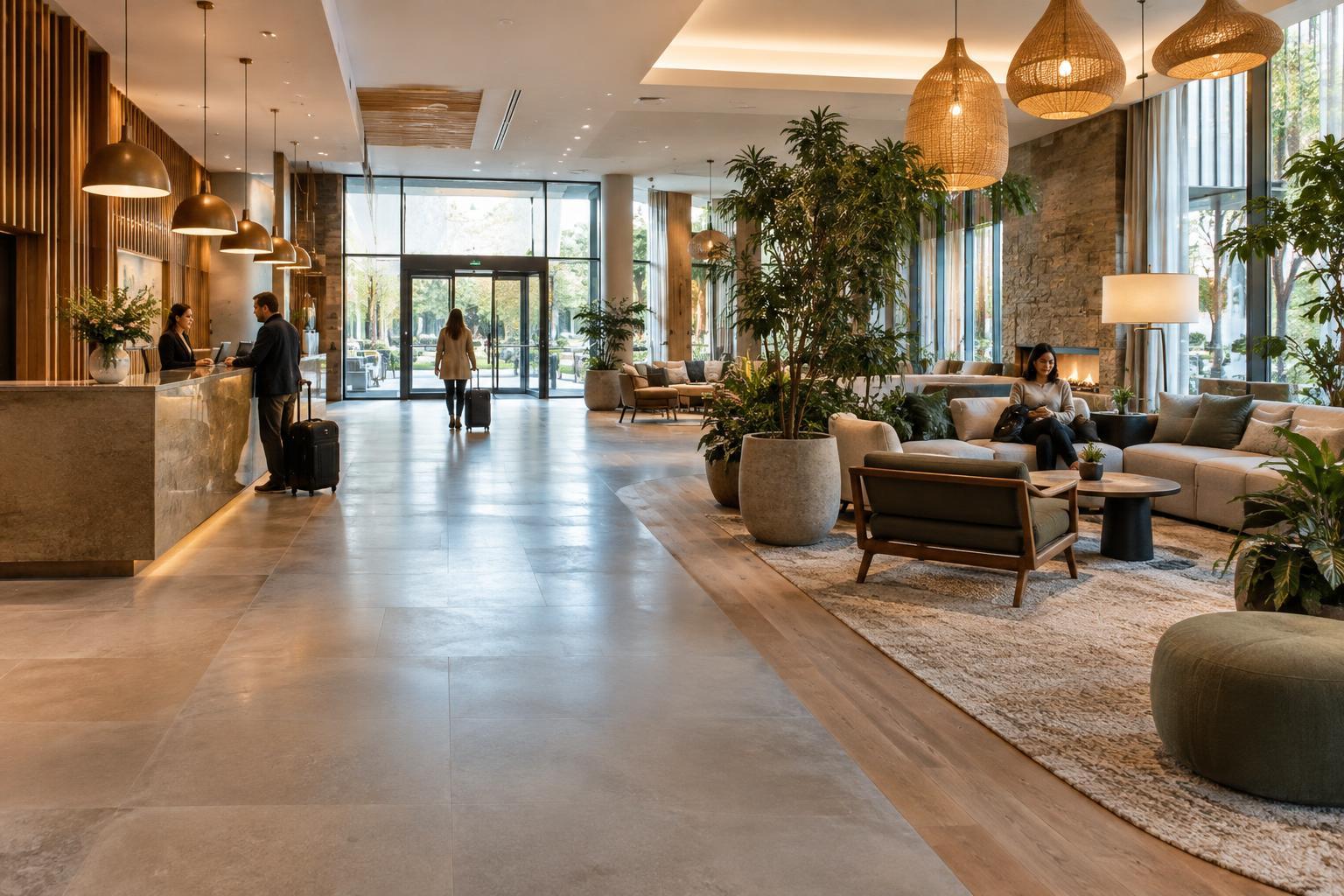
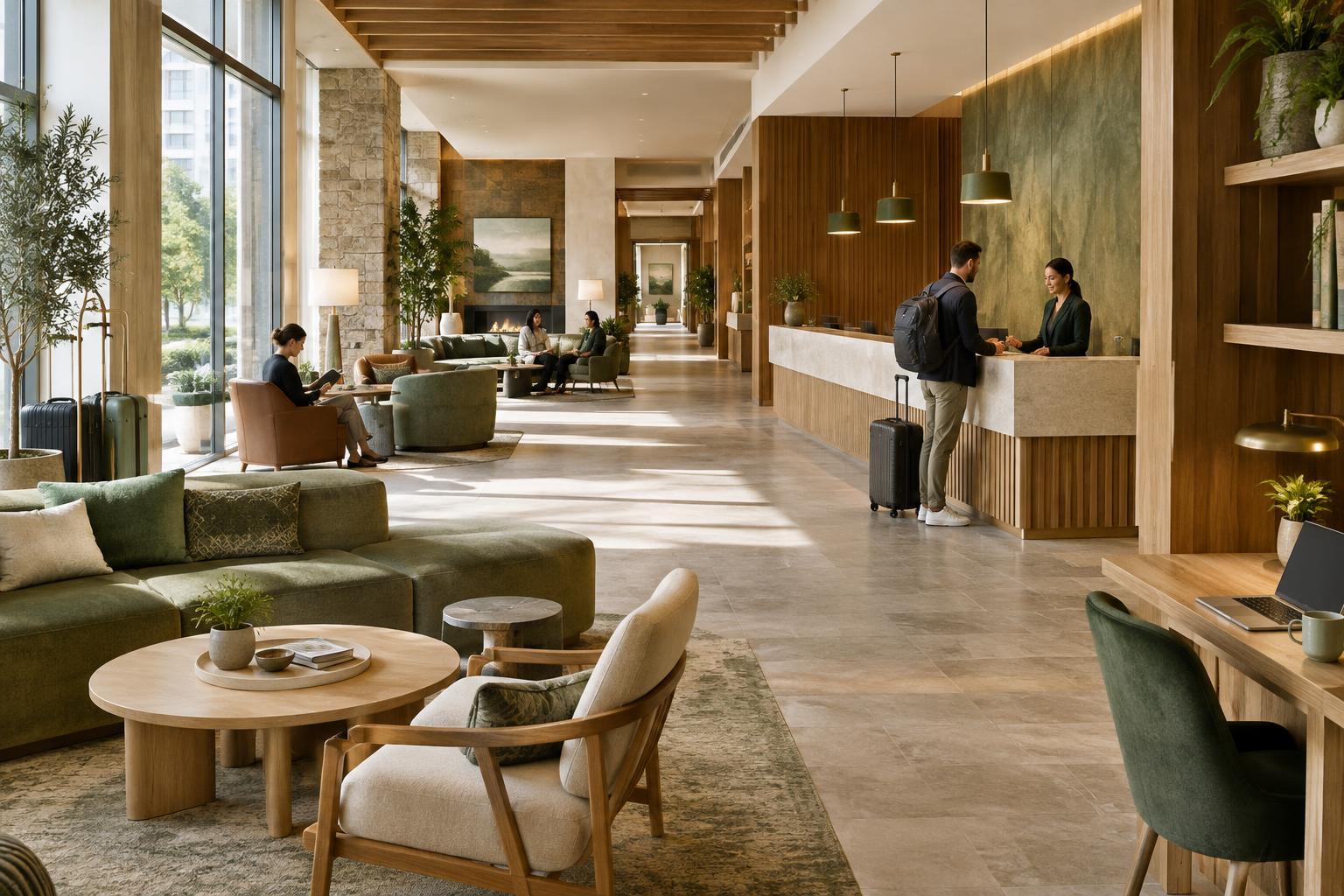
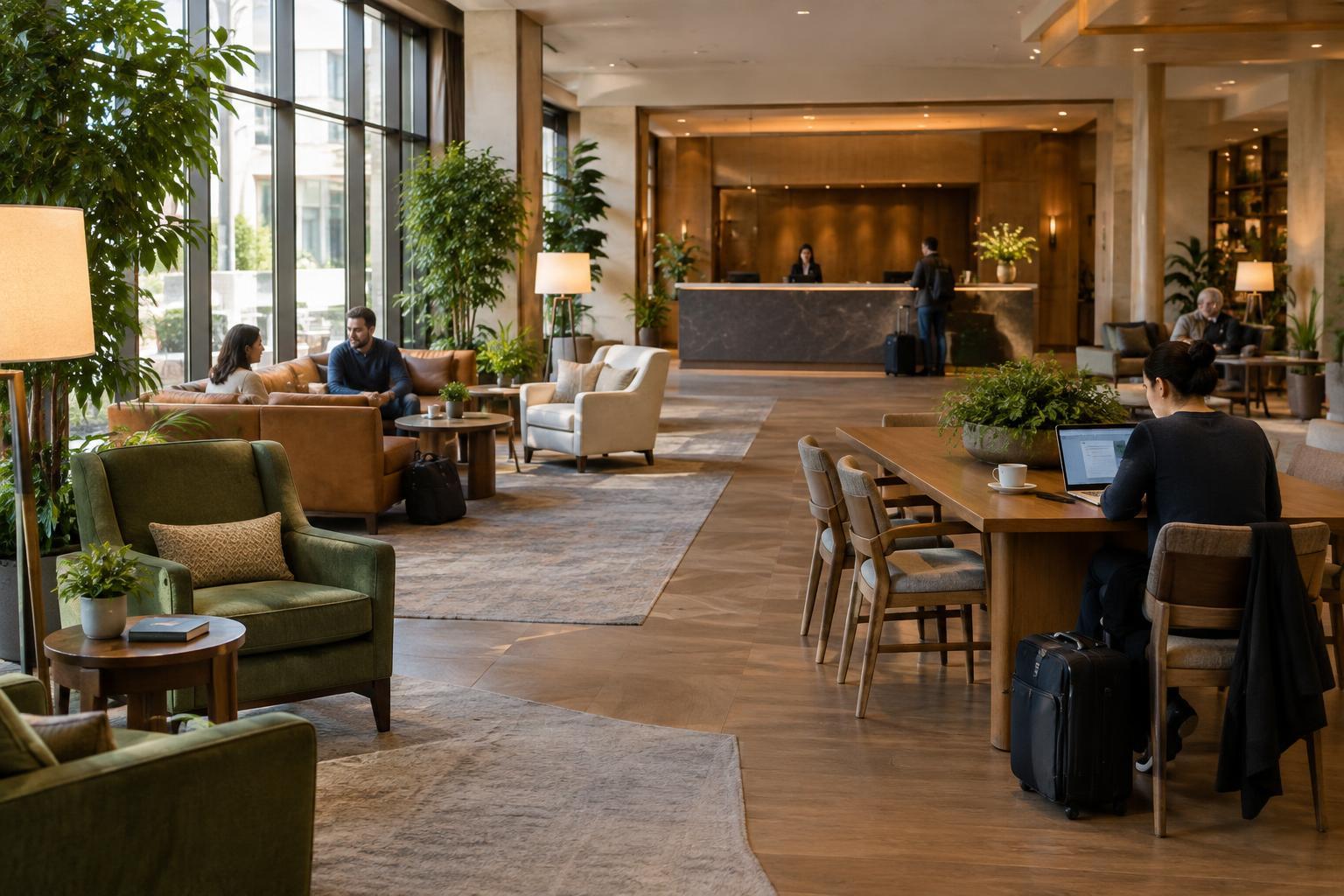
A hotel lobby can be a place to wait, meet, work or simply pause between outings. Here is how seating, atmosphere and clear boundaries help guests use shared spaces comfortably.
Hotel Design
More to discover ↗More to discover
A hotel lobby can be a place to wait, meet, work or simply pause between outings. Here is how seating, atmosphere and clear boundaries help guests use shared spaces comfortably.
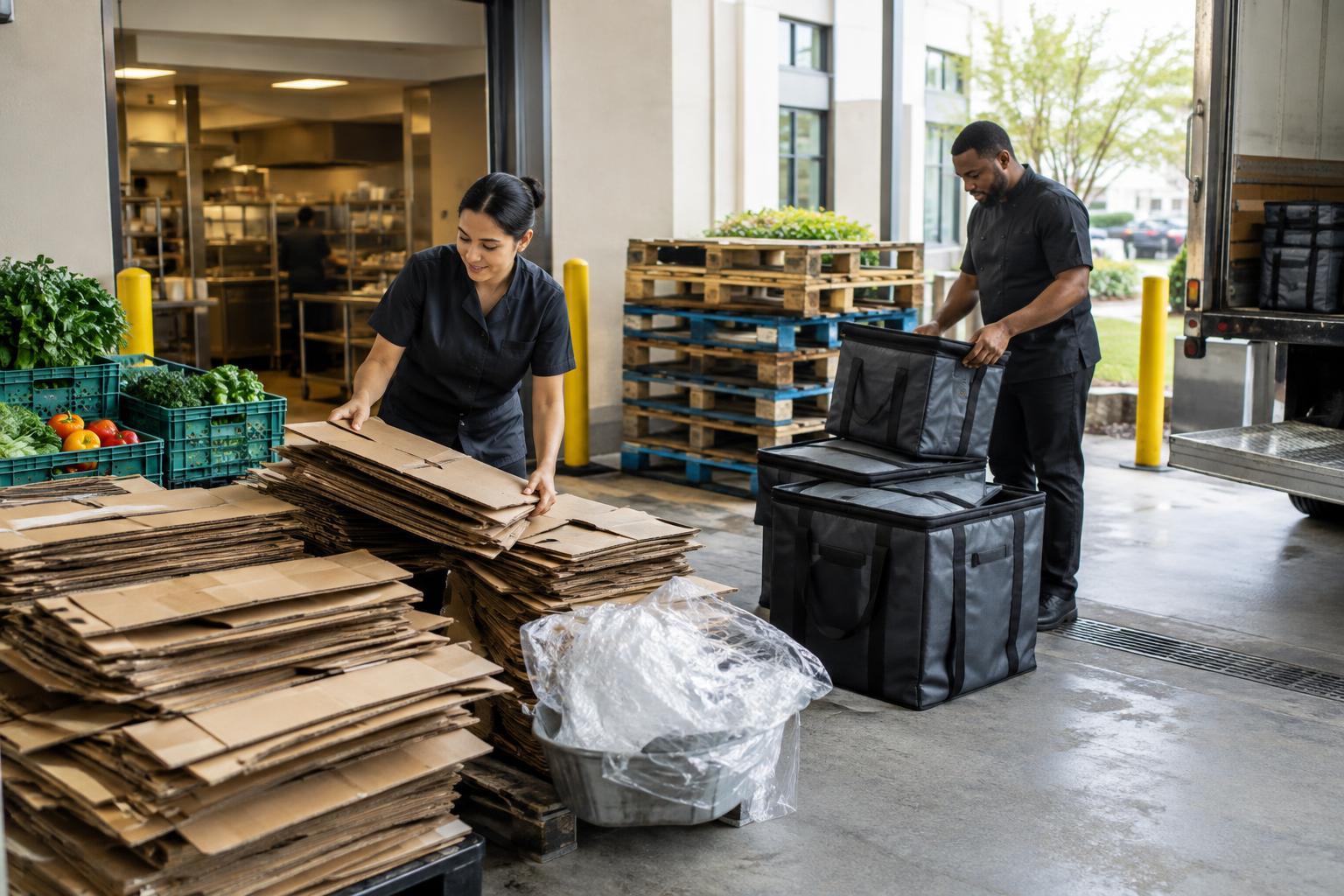
Guest-facing waste is only part of a hospitality property’s packaging footprint. Deliveries can leave teams with cartons, film, pallets and insulated containers every day. A practical approach starts at the receiving dock, continues through supplier conversations and ends with a system staff can use without slowing service.
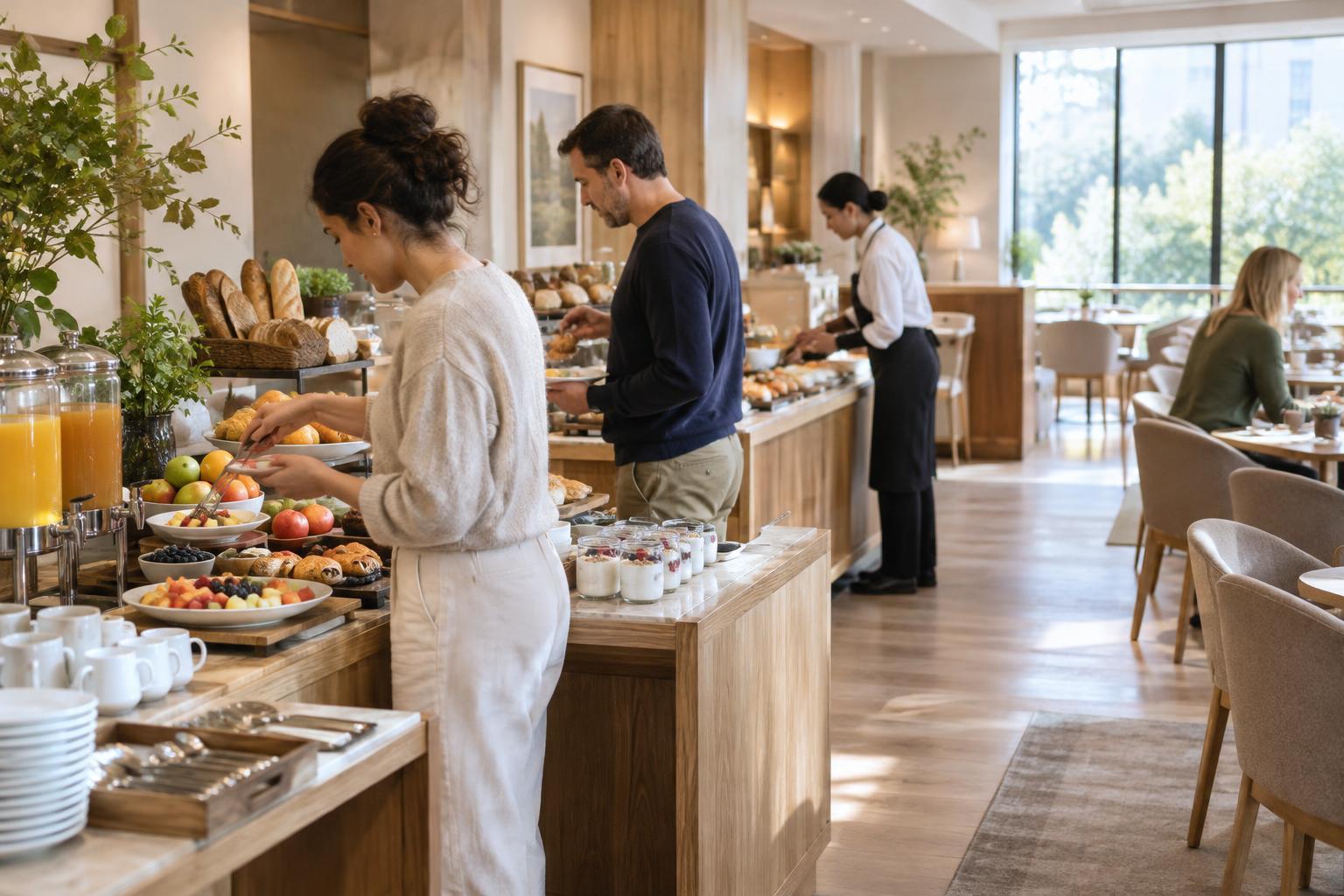
Read article · 3 min↗Breakfast can shape how guests remember a hotel morning. Clear information about hours, prices and options helps guests plan, while a thoughtful layout and responsive service make the meal easier to enjoy.
Read article · 4 min↗A returned dish can be an awkward moment for guests and staff. A clear response helps the team understand the concern, agree on a practical remedy and keep the rest of the meal on track.
Read article · 4 min↗A quiet guestroom depends on more than thick walls. Learn how room placement, doors, building services and everyday maintenance can work together to reduce unwanted sound.
Read article · 4 min↗Sustainable hospitality depends on everyday decisions, not just written policies. A practical approach to staff training helps teams reduce waste, use resources thoughtfully and explain guest options without compromising comfort or service.
Read article · 4 min↗Hotel courtyards, restaurant terraces and entrance gardens can be welcoming without relying on thirsty lawns or constant upkeep. A practical approach starts with understanding how guests use the space, choosing plants suited to local conditions and making watering and maintenance more deliberate.
Read article · 4 min↗A guest’s journey begins before check-in. Clear directions, practical alternatives and thoughtful on-site support can make lower-impact transport easier to choose without overlooking accessibility, luggage or late arrivals.
Read article · 3 min↗Guests should be able to understand what a hotel or restaurant has actually changed, not just what it hopes to achieve. Learn how to turn environmental efforts into specific, verifiable messages across menus, booking pages, signs and staff conversations.
Read article · 4 min↗A sustainability label can help a hotel communicate its efforts, but certifications differ in what they assess, how they verify claims and what they cost to maintain. This guide offers a practical way to compare programs before committing.
Read article · 4 min↗Refrigeration and cooling are essential to guest comfort and food service, but a small refrigerant leak can have consequences beyond the repair bill. Learn how hospitality teams can spot warning signs, support preventive maintenance and respond safely.
Read article · 4 min↗A practical guide to choosing cleaning products for hotels and restaurants without losing sight of hygiene, staff usability or guest comfort. Learn how to compare product purpose, ingredients, packaging, dilution and performance before changing a cleaning routine.
Read article · 3 min↗A practical guide to choosing hospitality furniture and equipment that can withstand daily use, be repaired when something breaks, and remain useful as guest spaces and operational needs change.
Read article · 4 min↗Seasonal sourcing can give a restaurant menu a sense of place, but it is not a shortcut to a lower environmental impact. A useful approach considers how ingredients are grown, transported, stored, prepared and used. Here is a practical framework for building supplier relationships and flexible menus without making claims the kitchen cannot support.
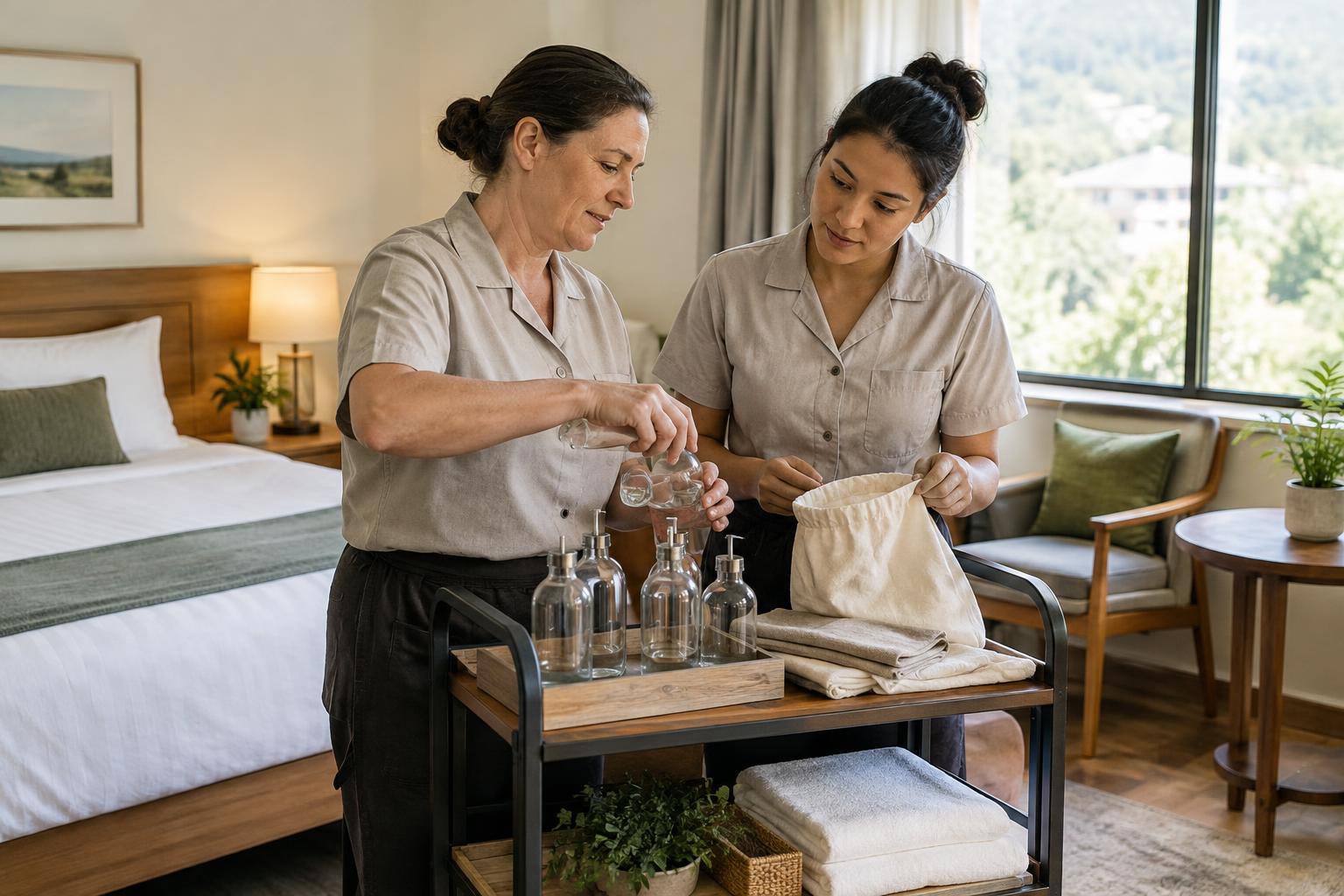
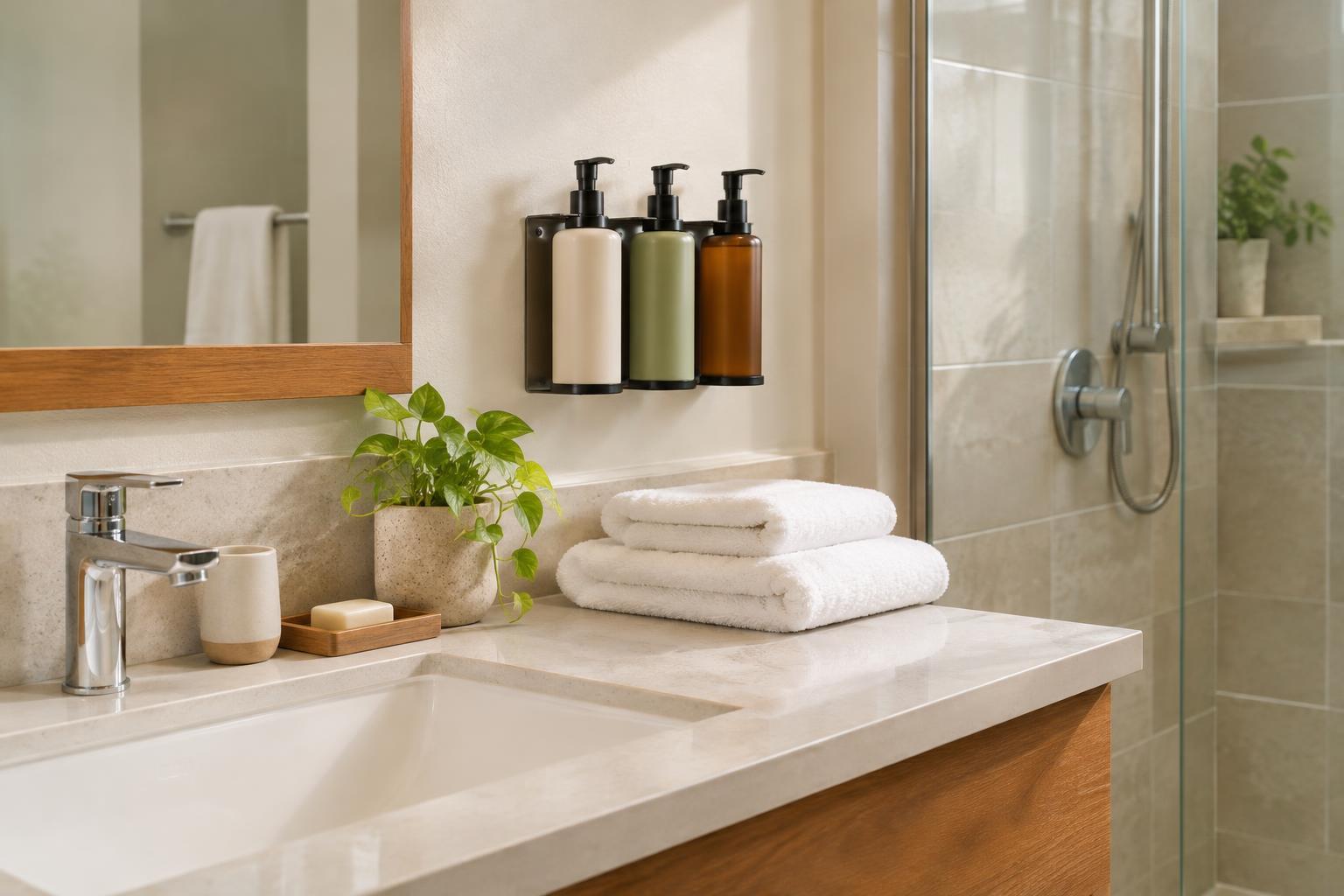
Read article · 4 min↗Refillable guest amenities can reduce disposable packaging while keeping the bathroom convenient and welcoming. A successful switch depends on product choice, dispenser design, clear cleaning procedures and thoughtful communication with guests.
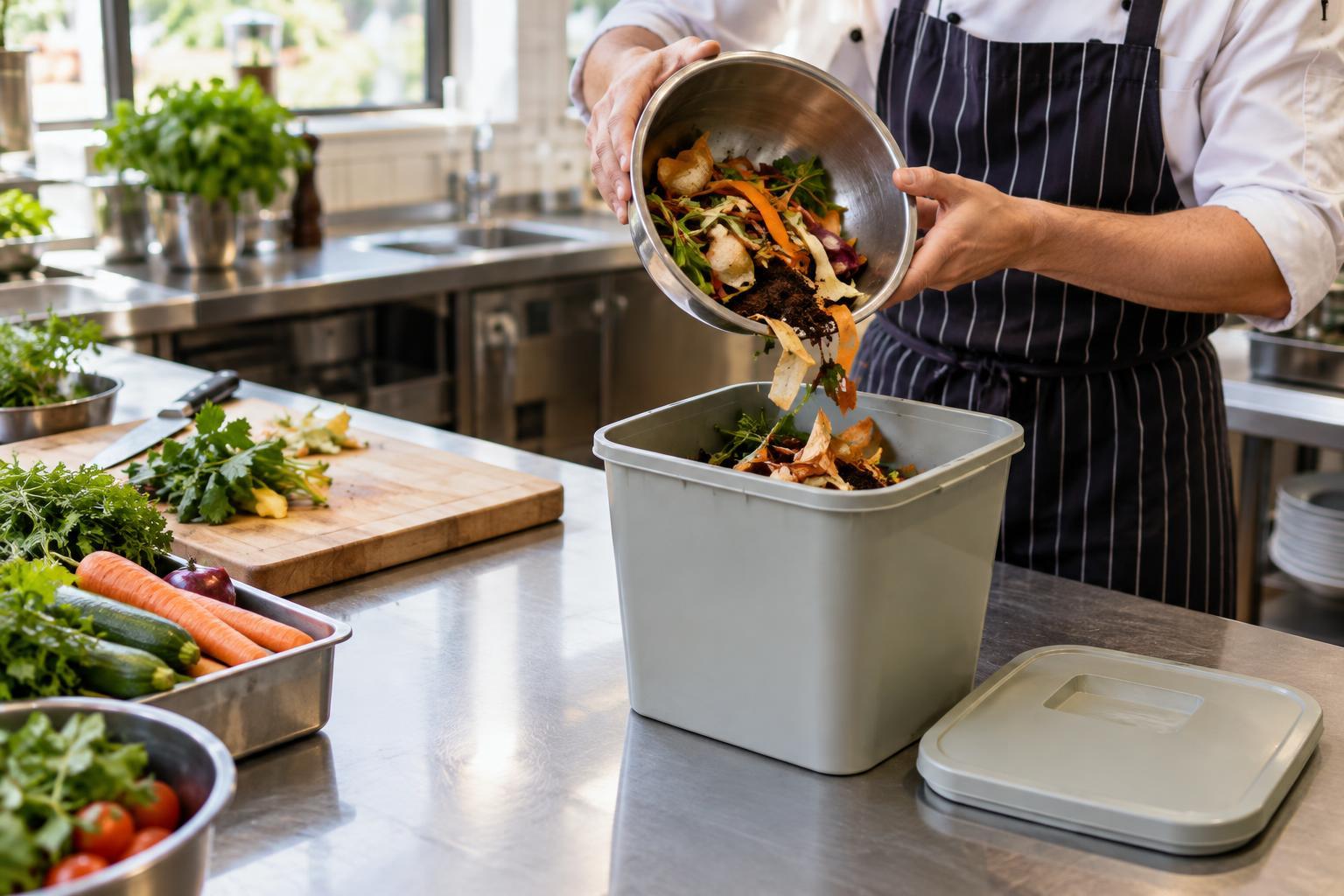
Read article · 4 min↗A food-scrap program works best when it fits the kitchen’s daily routine and the requirements of its composting partner. Learn how to identify suitable scraps, set up clear collection points, limit contamination and compare local processing options.
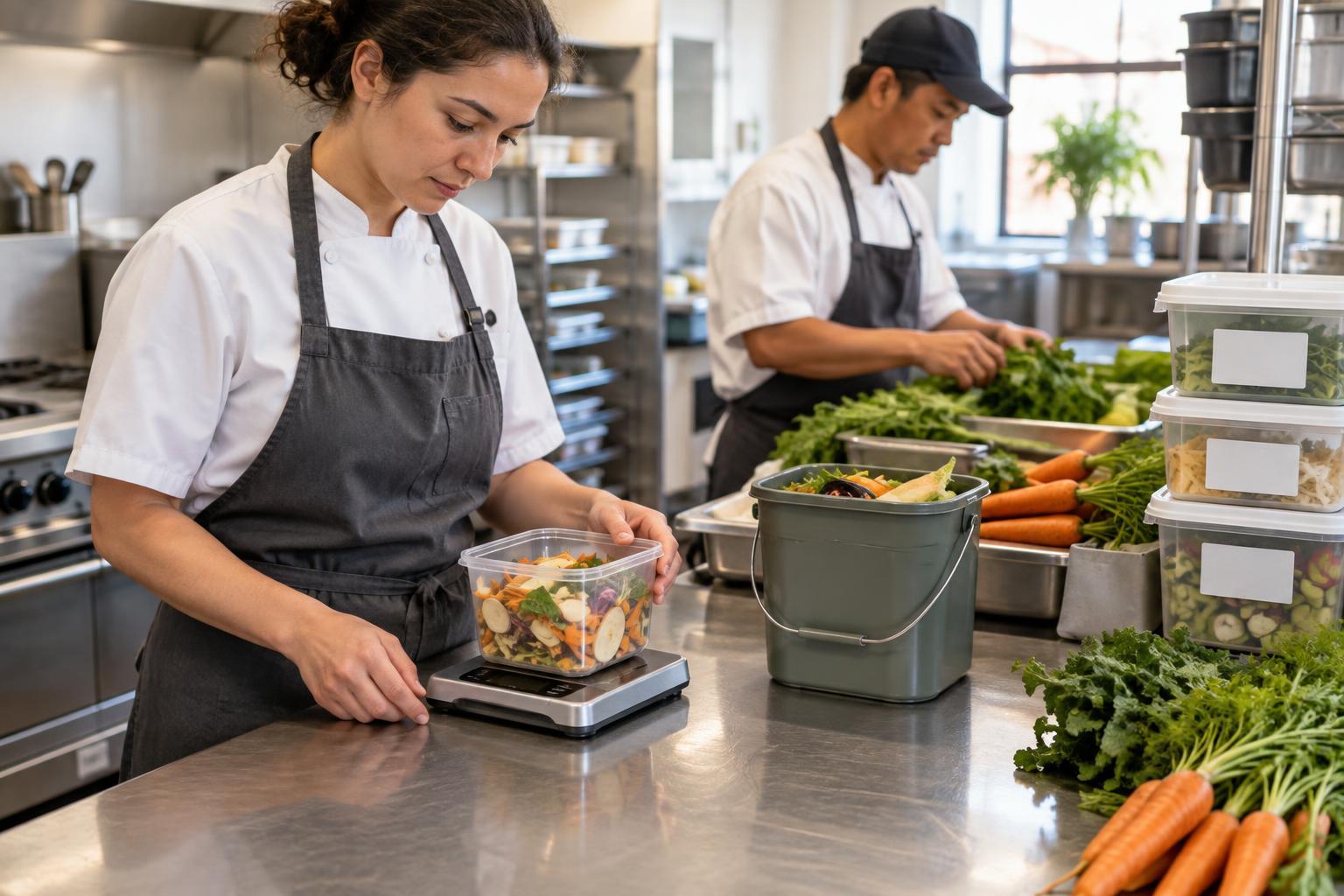
Read article · 4 min↗Food waste is easier to prevent when a kitchen knows what is being discarded, where it happens and why. A simple measuring routine can help hospitality teams make better decisions about purchasing, preparation and service without compromising the guest experience.
Read article · 4 min↗Hotel laundry is essential to a comfortable stay, but it also uses water and energy at several stages. A practical approach starts with measuring loads, protecting linen quality and hygiene, improving wash and dry cycles, and giving guests a clear choice about reuse.
Read article · 4 min↗A practical guide to spotting, prioritizing and repairing water leaks in hotels and other hospitality properties while protecting guests and reducing waste.
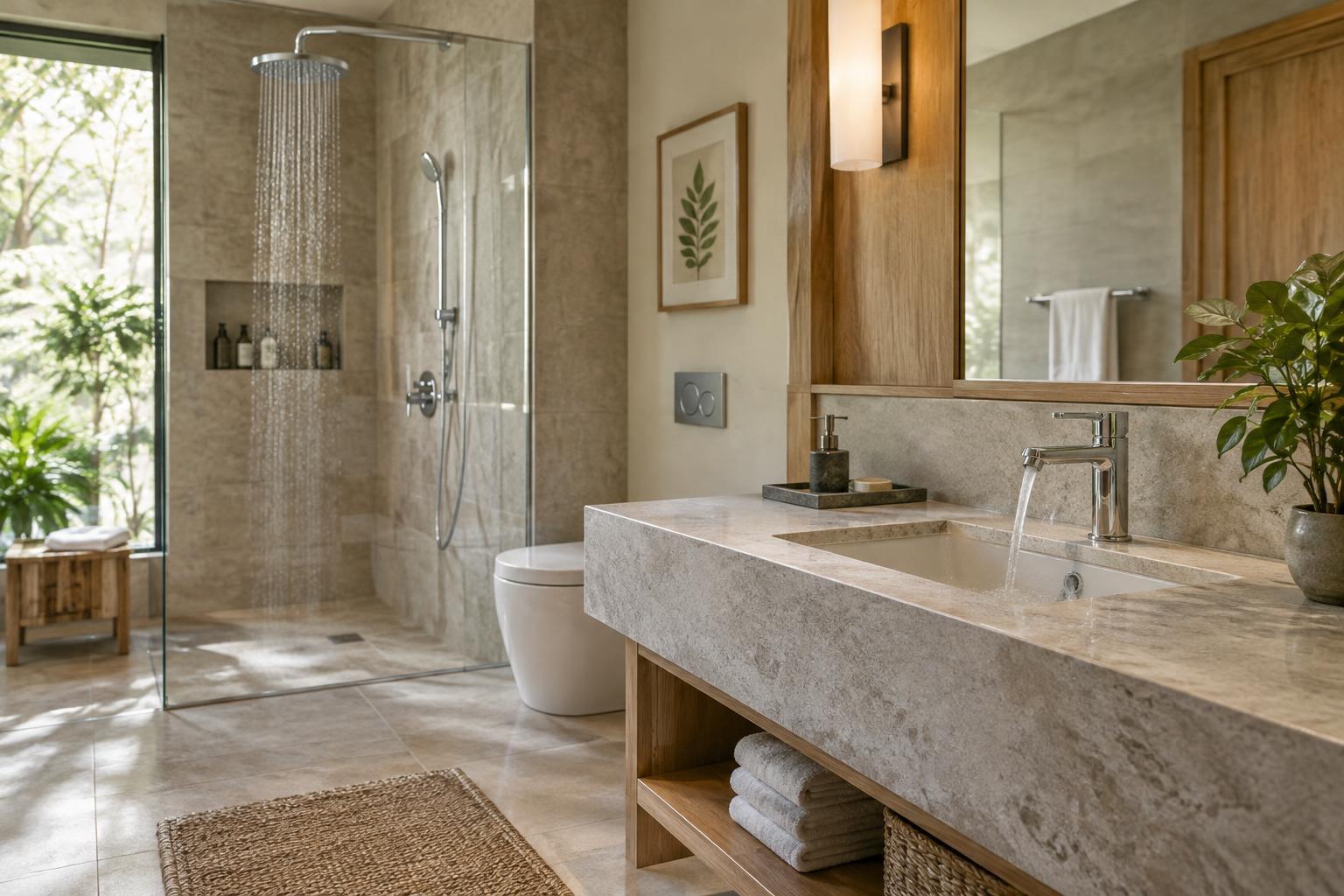
Read article · 3 min↗Water-efficient fixtures can reduce unnecessary use without making guests feel that comfort has been compromised. Here is a practical way to compare showers, taps and toilets across guestrooms and shared spaces, with attention to performance, accessibility and maintenance.
Read article · 4 min↗Solar panels can be a visible part of a hotel’s sustainability plan, but a suitable roof is only the starting point. Review electricity use, site conditions, local rules, ownership responsibilities and guest operations before deciding whether a project fits.
Read article · 3 min↗Hotels can reduce heating and cooling waste without making rooms uncomfortable. The best starting points are reliable equipment, sensible controls, thoughtful zoning and a clear way for guests and staff to report problems.
Read article · 4 min↗An energy audit does not have to begin with new equipment. By gathering utility records, walking the property at different times and checking how systems are scheduled, hospitality teams can find avoidable waste without compromising comfort, food safety or service.
Read article · 4 min↗A useful hotel carbon footprint starts with clear boundaries and reliable activity records. Learn how to separate direct emissions, purchased energy and supply-chain emissions, then turn the results into practical decisions.
Read article · 4 min↗Hotels and restaurants use energy, water, food and materials to create comfortable guest experiences. This guide explains where environmental impacts often arise and how teams can choose practical improvements without losing sight of service.
Read article · 4 min↗A smooth table reset starts before guests leave and ends when the next party sits down. Clear signals, a consistent sequence and thoughtful communication help teams prepare tables efficiently without making anyone feel hurried.
Read article · 4 min↗A good takeout experience depends on more than the food. Thoughtful packaging, a repeatable order check and clear pickup instructions help guests carry their meals away with confidence.
Read article · 4 min↗The final moments of a restaurant visit shape how guests remember the meal. A clear bill, a calm approach to split payments and a tip prompt that leaves room for choice can make checkout feel like part of good service rather than an interruption.
Read article · 4 min↗Large parties bring energy to a dining room, but they also create more chances for missed orders, uneven course timing and confusing checks. A clear plan for shared dishes, pacing and payment helps the team stay coordinated while letting guests enjoy the occasion.
Read article · 4 min↗An accessible restaurant experience depends on more than a step-free entrance. Thoughtful menus, flexible seating and staff who offer help without making assumptions can make dining more comfortable for a wider range of guests.
Read article · 4 min↗A family-friendly restaurant does not need a separate identity or an elaborate play area. Clear information, flexible seating, thoughtful service and simple food options can help parents relax while keeping the dining room comfortable for everyone.
Read article · 4 min↗Attentive table service is not the same as constant table service. Learn how to time check-ins, offer refills and clear plates without disrupting the meal or taking choices away from guests.
Read article · 3 min↗A memorable restaurant drink program does not depend on alcohol. Thoughtful flavors, clear menus, attentive service and consistent preparation can make every guest feel included in the experience.
Read article · 3 min↗Guests often ask what is in a dish, how it is prepared and whether the portion will suit them. A useful training program gives servers reliable information, a clear way to handle uncertainty and practice describing menu items in language guests can use.
Read article · 3 min↗A smooth order starts with more than accurate note-taking. Learn when servers should ask a specific follow-up question, how to repeat an order without slowing service, and why the final check matters before food reaches the table.
Read article · 4 min↗Good meal pacing gives guests room to enjoy each course without leaving them wondering what comes next. Learn how a restaurant team can read the table, coordinate with the kitchen and make table checks feel helpful rather than intrusive.
Read article · 4 min↗The way food reaches a table shapes the pace, atmosphere and workload of a meal. This guide compares plated, family-style and buffet service, with practical considerations for restaurants and event teams choosing the right approach.
Read article · 4 min↗A guest’s allergy question needs more than a quick glance at the menu. A clear process helps restaurant teams gather the right details, check ingredients and preparation with the kitchen, and communicate what they can—and cannot—confirm.
Read article · 4 min↗The way a restaurant structures its menu shapes more than the choice of dishes. À la carte, set and tasting menus each create different expectations around flexibility, price, pacing and service. Understanding those differences helps guests choose an experience and helps teams deliver it well.
Read article · 4 min↗A restaurant menu should help guests find a dish, understand what they will receive and order with confidence. Clear sections, readable type, useful descriptions and a reliable way to answer questions can make the experience smoother for guests and staff alike.
Read article · 4 min↗A restaurant’s atmosphere does more than set a mood. Lighting helps guests read menus and see their food; music and room noise affect how easily they can talk. Here is a practical guide to balancing all three without losing the character of the space.
Read article · 4 min↗A dining room can look spacious on a floor plan and feel crowded once guests, chairs and service carts are in place. Learn how to arrange tables, protect main routes and test a layout during real service.
Read article · 4 min↗A good walk-in waitlist does more than track names. It helps guests decide whether to stay, gives hosts a consistent way to explain delays, and lets the dining room seat parties without rushing service. Here is a practical approach to estimating and communicating waits.
Read article · 4 min↗A reservation should give guests confidence and help a restaurant prepare. Clear confirmations, proportionate deposits and easy cancellation options can reduce confusion without making the booking process feel unwelcoming.
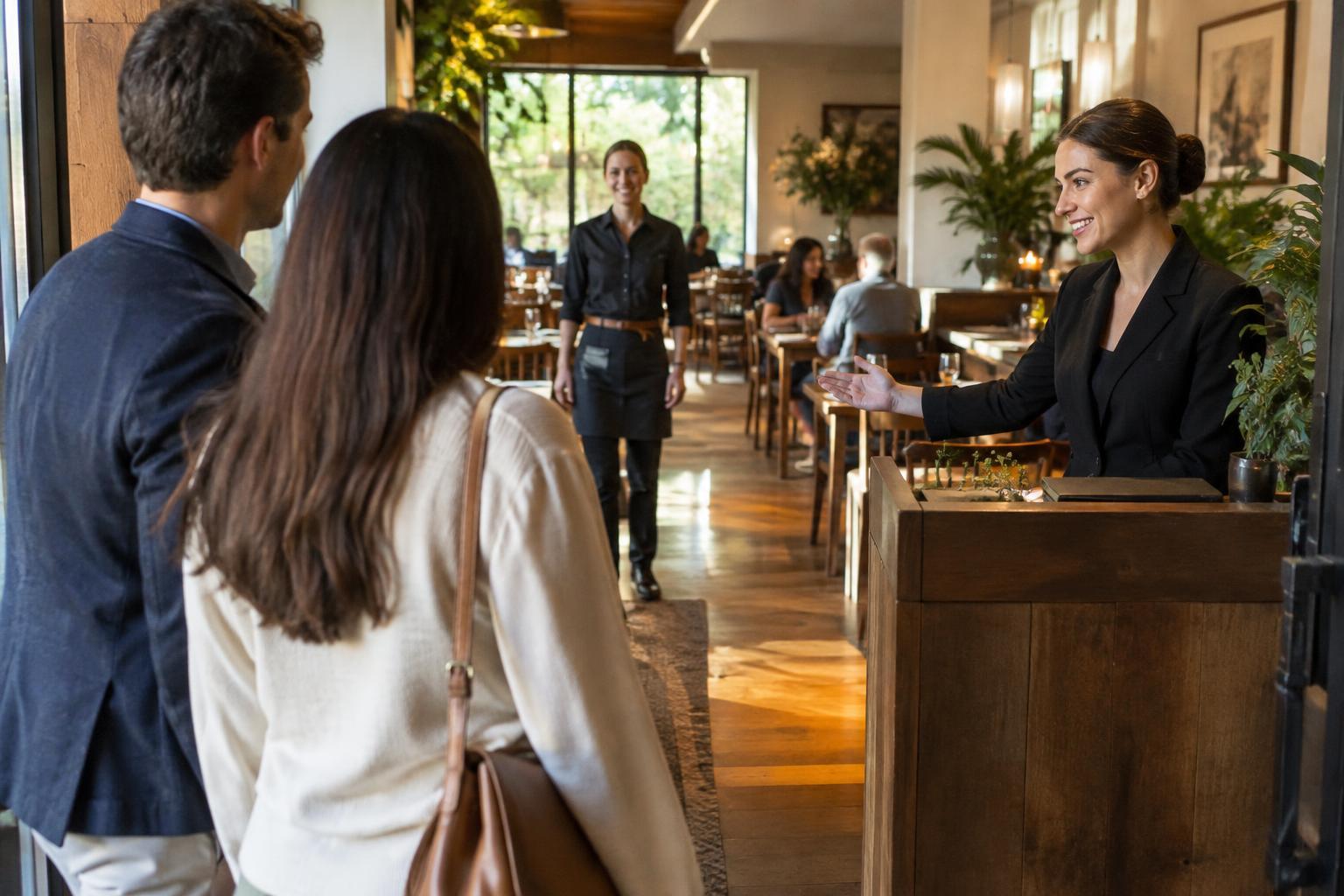
Read article · 4 min↗A restaurant visit begins before the first order. A clear welcome, honest wait information and a smooth handoff to the table help guests feel comfortable and know what comes next.
Read article · 4 min↗A practical guide to keeping guest supplies available without filling storerooms with excess stock. Learn how to set par levels, choose reorder points and make inventory checks part of a workable hotel routine.
Read article · 4 min↗A guest request may pass through the front desk, housekeeping, maintenance and a manager before it is complete. A shared record helps, but clear ownership matters just as much. Here is a practical way to capture, hand off and close requests without making guests repeat themselves.
Read article · 4 min↗A property-management or payment outage does not have to bring the front desk to a halt. A simple fallback plan can help staff confirm reservations, assign rooms, explain payment limits and reconcile transactions once systems return.
Read article · 4 min↗The best hospitality software is not necessarily the product with the longest feature list. Learn how to define operational needs, test everyday workflows, evaluate support and compare the full cost of ownership before making a decision.
Read article · 4 min↗Reservation, property, payment and service tools work best when staff can trust the information moving between them. Learn how to choose between APIs, scheduled data syncs and manual workarounds, and how to keep each approach manageable.
Read article · 4 min↗Occupancy, average daily rate and revenue per available room each tell a different part of a hotel’s performance story. Learn how to calculate them, interpret them alongside operating costs and avoid common mistakes when comparing results.
Read article · 4 min↗Hotels and restaurants use connected systems to serve guests, coordinate teams and run daily operations. A practical cybersecurity routine starts with giving staff only the access they need, protecting accounts with strong passwords and training people to recognize suspicious requests.
Read article · 4 min↗A guest can see a payment hold before the hotel receives any money, and a posted charge before it appears in the bank account. Understanding those steps helps hotel teams explain bills, catch errors and close each day with confidence.
Read article · 4 min↗Room charges can make hotel dining feel effortless, but only when the restaurant POS and hotel property management system exchange accurate information. Here is a practical guide to the workflow, the decisions behind it, and the exceptions teams should plan for.
Read article · 4 min↗A useful hotel standard operating procedure helps staff complete a task consistently without guessing what comes next. Learn how to choose the right level of detail, write clear steps, account for exceptions and keep procedures useful as operations change.
Read article · 4 min↗A useful hospitality schedule does more than fill shifts. It places the right skills where and when guests need them, while accounting for breaks, handovers and the uncertainty in any forecast.
Read article · 4 min↗A front desk handover should help the next shift act confidently, not force colleagues to reconstruct the day. Here is a practical guide to recording open tasks, guest requests, room status, exceptions and priorities without creating a cluttered or risky log.
Read article · 4 min↗A hotel maintenance plan works best when it connects regular inspections with clear repair records. Learn how to set useful schedules, prioritize guest-facing issues and spot recurring faults before they become familiar complaints.
Read article · 4 min↗A clear housekeeping workflow helps teams decide who cleans each room, track progress and tell the front desk when a room is ready. Learn how to build practical assignments, use consistent status labels and handle exceptions without losing track of the guest experience.
Read article · 4 min↗Room blocks help hotels welcome groups while protecting space for other guests. Learn how clear block terms, reliable inventory controls and a practical response plan can reduce overbooking risk.
Read article · 3 min↗A room-rate forecast does not need to be complicated to be useful. Learn how to estimate demand, compare it with available rooms, set practical pricing rules and adjust as bookings develop.
Read article · 4 min↗A dependable reservation workflow does more than record bookings. It helps staff respond to changes, handle no-shows consistently and assign rooms that match guest needs. This guide outlines practical handoffs from booking to arrival.
Read article · 4 min↗A channel manager helps accommodation teams update room rates and availability across booking channels from one place. Here is how the tool works, where mismatches can still occur, and which daily habits help staff keep listings dependable.
Read article · 4 min↗A guest may complete a hotel booking in minutes, but several systems can be involved behind the scenes. This guide follows a direct reservation from room search to the hotel’s arrival list and explains where teams should check for errors.
Read article · 4 min↗A property management system connects many of a hotel’s daily tasks, from room availability and reservations to check-in, housekeeping updates and reporting. This guide explains the core functions, how teams use them and what to consider when choosing or improving a system.
Read article · 4 min↗A hotel can reflect its surroundings without turning them into a theme. Thoughtful art, locally relevant materials and careful maintenance can help guests connect with a place while keeping rooms comfortable and practical.
Read article · 4 min↗A guest should be able to charge a phone, turn off the lights and move through a hotel room without searching for a switch or shifting furniture. Thoughtful placement of outlets and controls starts with the activities that happen in each part of the room, then tests those choices against the furniture plan and the needs of different guests.
Read article · 4 min↗Guests may never see a hotel’s service corridors, storage rooms or loading area, but these spaces shape how smoothly the property runs. A practical back-of-house plan connects the right supplies, people and tasks while keeping guest areas calm and welcoming.
Read article · 4 min↗A hotel’s shared routes shape how easily guests find their rooms and how welcome they feel along the way. Explore practical ways to plan elevator lobbies and corridors for clear movement, comfortable pauses, quieter stays and easier upkeep.
Read article · 4 min↗A hotel courtyard or terrace can be more than a view from the lobby. Thoughtful circulation, comfortable seating, weather protection and a realistic service plan turn outdoor space into a welcoming part of the guest experience.
Read article · 4 min↗Turning an existing building into a hotel can give guests a strong sense of place, but character alone does not make a comfortable stay. A practical approach starts with the building’s constraints, then brings rooms, circulation, services and maintenance into a coherent guest experience.
Read article · 4 min↗A boutique hotel, a business hotel and a resort may offer the same essentials, but guests use their spaces differently. Understanding those patterns helps explain why each type makes different choices about arrival, guestrooms, shared areas and service circulation.
Read article · 4 min↗A well-planned hotel window does more than frame a view. Layered treatments can help guests enjoy daylight, feel private and make the room dark enough for rest. Here is how to match fabrics, fittings and controls to the needs of each space.
Read article · 4 min↗Hotel furniture has to feel inviting on arrival and remain useful through years of guest stays, cleaning and maintenance. A practical selection process considers how people use each space, whether pieces fit comfortably, and how materials and construction hold up to repeated use.
Read article · 4 min↗A small hotel room can feel comfortable when its layout makes everyday tasks easy. Start with clear circulation, then choose furniture, storage, lighting and finishes that serve the guest without crowding the floor.
Read article · 4 min↗Guestroom storage works best when guests can unpack, find what they need and keep the room clear without having to study the furniture. Here is a practical approach to planning space for bags, clothing and small essentials.
Read article · 4 min↗Good hotel wayfinding helps guests reach their rooms and shared spaces without having to stop and ask. Learn how clear routes, well-placed signs and memorable landmarks can work together from the entrance to the elevator and beyond.
Read article · 4 min↗An inviting hotel is easier to navigate when guests can move comfortably from the street to their room. This practical guide looks at entrances, doors and circulation space through the lens of universal design, with attention to both guest experience and day-to-day operations.
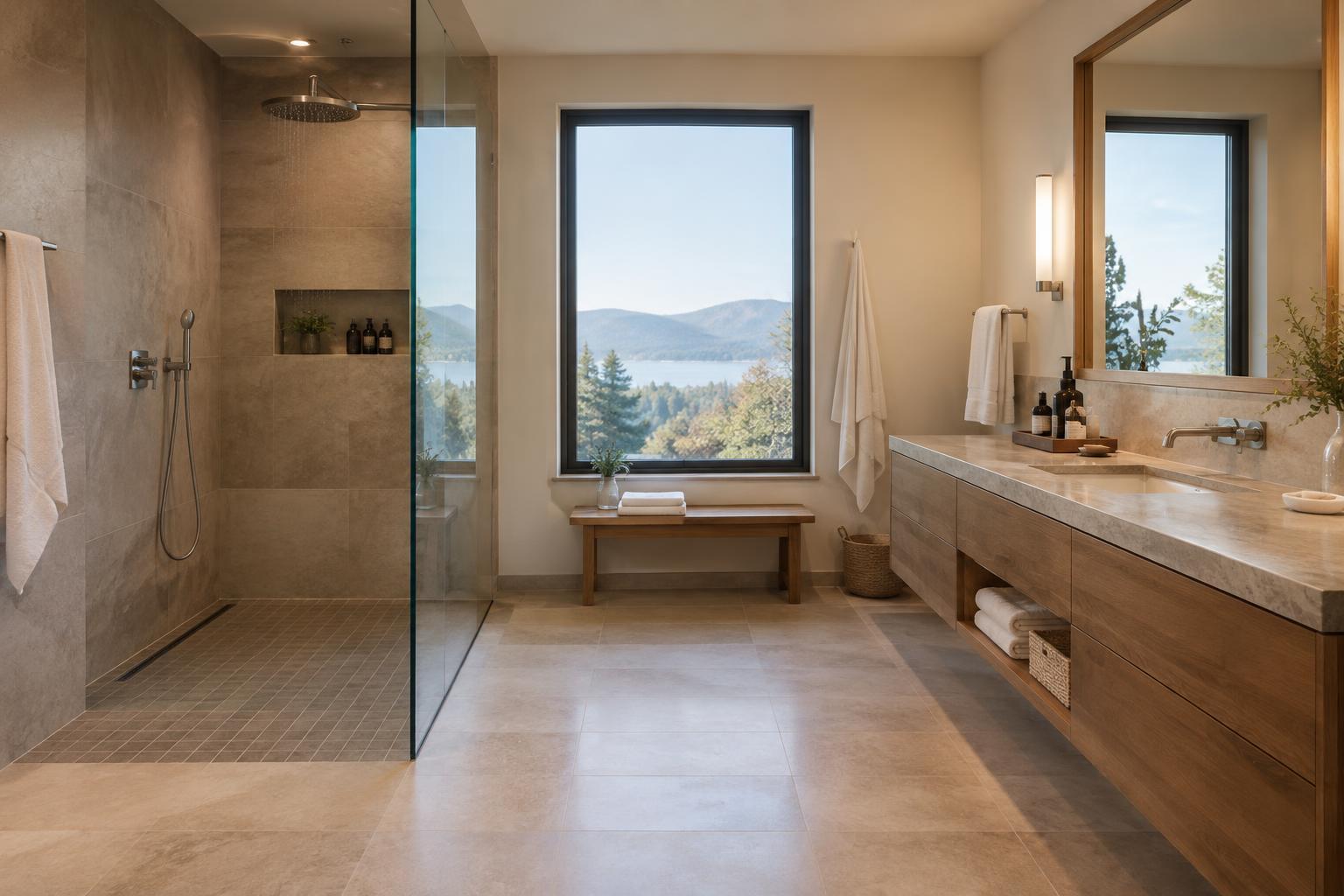
Read article · 4 min↗A well-planned hotel bathroom feels easy to use from the first shower to the last glance in the mirror. Learn how shower layouts, vanity details and dry-zone boundaries can support guest comfort while making cleaning and maintenance more manageable.
Read article · 4 min↗A cohesive hotel palette does more than make rooms look alike. It helps guests recognize the property, move comfortably through shared spaces and feel at ease in their rooms. Here is a practical approach to choosing, testing and repeating color without making every area identical.
Read article · 3 min↗Hotel finishes need to feel welcoming while standing up to luggage, spills, cleaning and frequent use. A practical selection process looks beyond appearance to traffic, repairability, cleaning routines and the total effort of keeping a space guest-ready.
Read article · 4 min↗A welcoming hotel room needs more than one bright ceiling fixture. Learn how ambient, task and accent lighting serve different guest needs, and how controls, placement and maintenance help the layers work together.
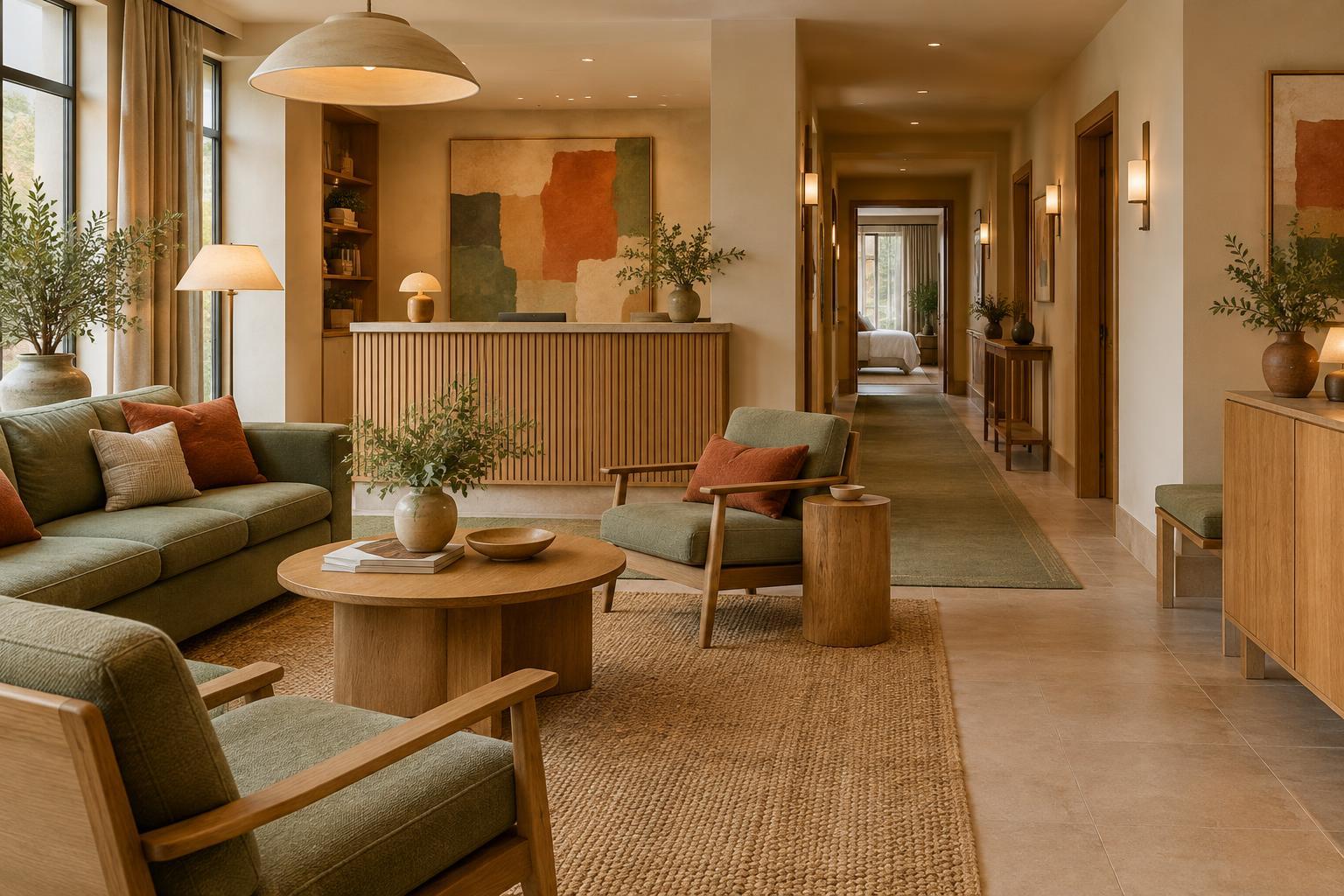
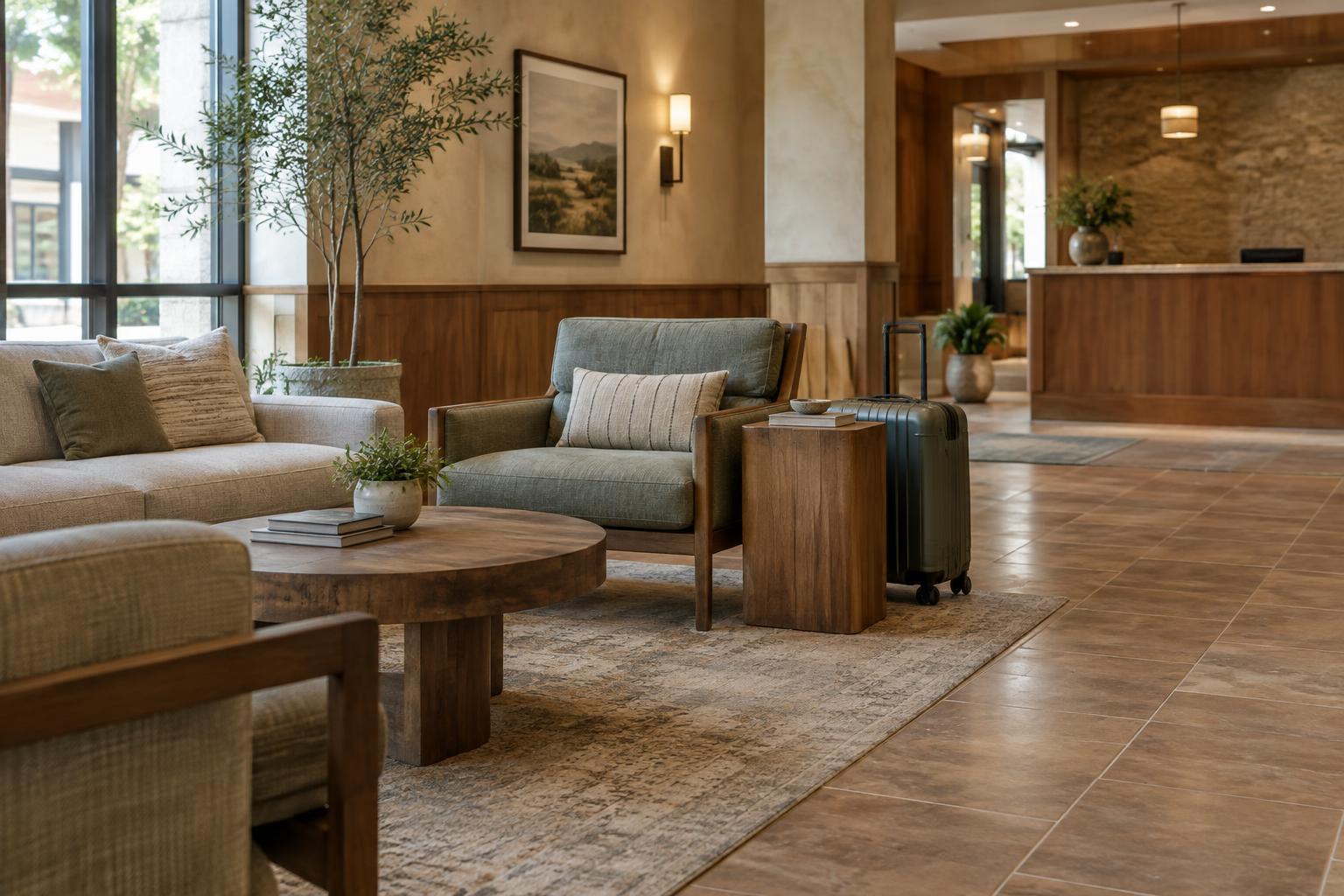
Read article · 4 min↗A hotel lobby needs to help arriving guests find their way while giving others a comfortable place to pause. Thoughtful zoning can make both experiences work without putting up walls.
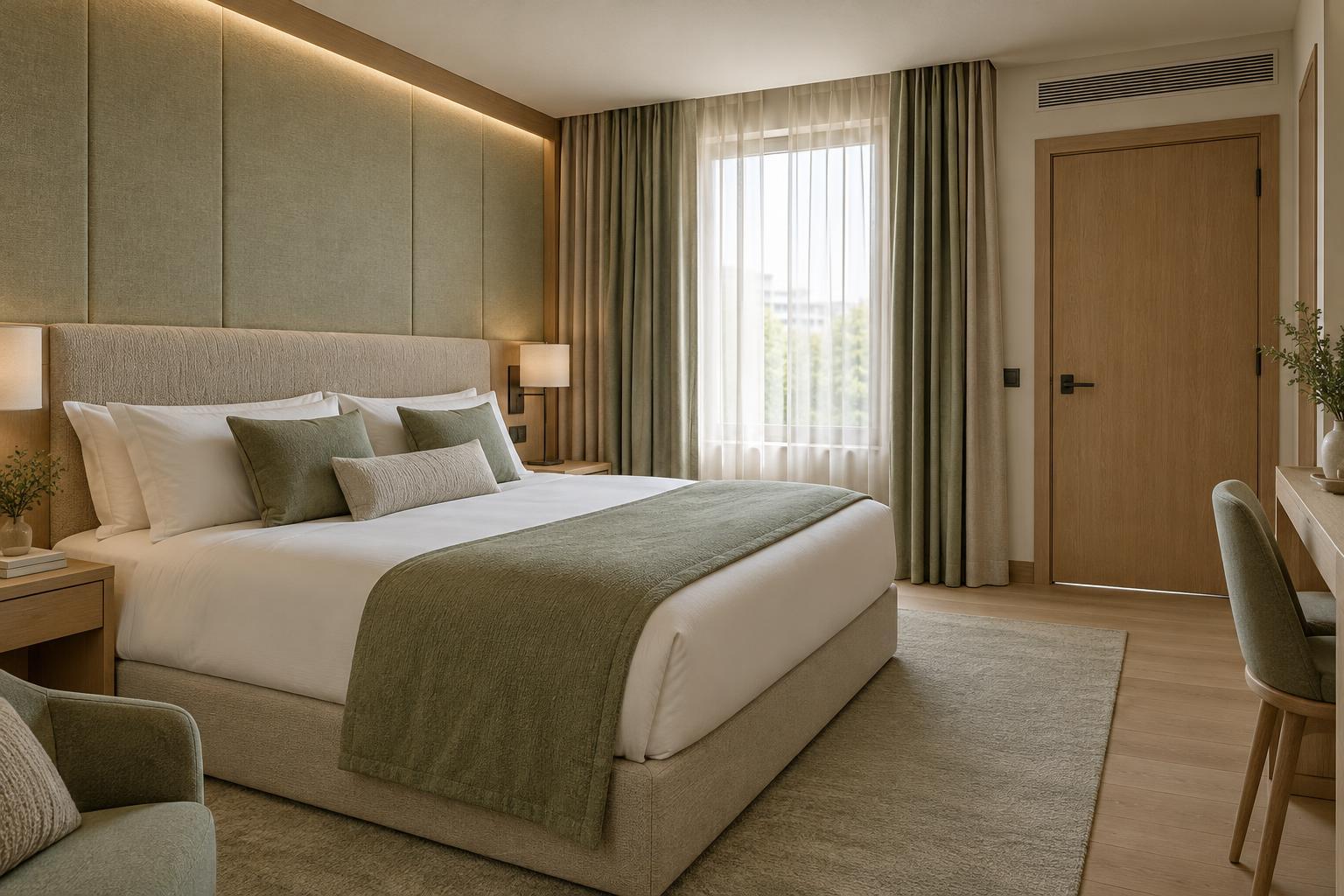
Read article · 4 min↗A useful guestroom layout makes it easy to arrive, unpack, sleep and move around. Learn how to position the bed, protect clear routes and choose seating that fits the room.
Read article · 4 min↗A useful hotel design brief does more than describe a look. It connects the guests a property hopes to welcome with the spaces they need, the service the team can deliver and the experience the brand wants to create. This guide shows how to turn those aims into clear, testable design priorities.
Read article · 4 min↗A good checkout gives guests clear timing, a simple way to settle their bill and a practical plan for their bags. Here is how hotels can make the last stage of a stay feel calm and well organized.
Read article · 4 min↗Guests do not expect the same extras from every hotel, but they do expect a stay that matches its promise. Here is how budget and luxury properties can meet different needs while getting the basics right.
Read article · 4 min↗Traveling alone can offer freedom, but it also puts every decision in one person’s hands. Thoughtful hospitality makes it easy for solo guests to understand their options, move through a space comfortably and ask for help without giving up their independence.
Read article · 3 min↗Families often judge a hotel or restaurant by how easily it will fit the routines of traveling with children. Clear room details, practical amenities, flexible dining and honest policies help guests decide whether a stay will work for them.
Read article · 4 min↗A warm welcome can be undermined by rushed speech, unclear instructions or assumptions about what a guest understands. Here are common communication mistakes in hospitality and practical ways to make interactions clearer and more respectful.
Read article · 3 min↗A delayed request does not have to become a poor guest experience. Clear time estimates, useful updates and a reliable handoff can help guests feel informed while a team works toward a solution.
Read article · 4 min↗A delayed room, a missed dietary request or an unexpected charge can disrupt a guest’s stay. Effective service recovery begins with listening, taking ownership and offering a clear path forward. Here is how hospitality teams can respond without making promises they cannot keep.
Read article · 4 min↗A fast kiosk can feel convenient, while a thoughtful conversation can make the same guest feel cared for. The difference is often the task, the guest’s circumstances and how easily they can switch between options. Here is a practical way to design both.
Read article · 4 min↗Thoughtful service can make a guest feel understood, but too much attention can feel like surveillance. Here is how hotels and restaurants can offer useful choices, respect boundaries and let guests set the pace.
Read article · 4 min↗Privacy is part of feeling welcome. A guest may appreciate attentive service while still wanting control over room access, personal information and follow-up messages. Here are practical ways hospitality teams can make those boundaries clear and easy to respect.
Read article · 4 min↗Guests use hotel Wi-Fi for far more than entertainment. A dependable connection helps them plan their day, stay in touch, work when needed and use digital hotel services. Here is what reliability looks like from the guest’s point of view.
Read article · 4 min↗A general promise of accessibility rarely answers the questions guests have before booking. Clear details about rooms, routes, shared spaces and available assistance help people decide whether a property will work for their particular needs.
Read article · 4 min↗A quiet room means different things to different guests. Hotels can build trust by describing likely noise honestly, offering useful room choices, and responding promptly when sleep is disrupted.
Read article · 4 min↗Guests form opinions about hotel safety from more than locks and cameras. Lighting, staff responses, room privacy, clear information and consistent procedures all shape whether a stay feels secure.
Read article · 3 min↗Guests often form an impression of a room before they open a drawer or unpack a bag. Learn which visible and sensory details shape that first impression, and how teams can use them to make a room feel reliably ready.
Read article · 4 min↗A smooth arrival starts before a guest reaches the front desk. Clear check-in times, honest answers about early access and thoughtful options for waiting help hotels make the first part of a stay feel welcoming, even when a room is not ready.
Read article · 4 min↗A useful pre-arrival message helps guests plan the journey, understand what to expect at check-in and arrive without avoidable surprises. Here are the details worth sharing, and how to share them clearly.
Read article · 4 min↗A flexible rate is only useful if you understand its conditions. Learn how to check cancellation deadlines, deposits, no-show charges and refund terms before confirming a stay.
Read article · 4 min↗A room rate is only one part of a guest’s budget. Clear information about taxes, required fees and optional extras helps travelers compare stays, plan confidently and avoid surprises at checkout.
Read article · 4 min↗Hotel photos and property descriptions do more than attract attention. They help guests decide whether a stay fits their plans. Clear images, precise room details and honest explanations of amenities can set expectations that the on-site experience can meet.
Read article · 4 min↗Recommended

A guest experience is shaped by small decisions as well as grand interiors: what feels comfortable on a journey, what works in a cool dining room, and what still looks right after a day of changing plans. A scarf can help with all three without requiring a new outfit. UniqueYou focuses on women’s scarves, shawls, wraps and square scarves in an elegant, accessible style intended to work with clothes a woman already owns. For readers of Hospitality Trendz, that makes the brand worth considering through a practical lens: how an accessory travels, how it changes the character of familiar pieces, and how to choose one thoughtfully for yourself or someone else.
The most useful scarf is often the one that solves a familiar dressing question. Think of the coat that looks good but needs a little warmth at the neck, the plain dress that could use color, or the jacket that moves between meetings and dinner. UniqueYou’s approach is to complement an existing wardrobe rather than suggest that every accessory calls for a new outfit. Before looking at a pattern, name two or three pieces the scarf might accompany. That simple exercise makes a choice more grounded than picking the most striking image in isolation.
Look at the colors that already recur in your closet. Someone who wears navy, cream and grey may find a scarf with one clear accent easier to use than a print containing many unrelated shades. Someone whose wardrobe is mostly black might prefer a pale neutral for contrast or a saturated red for deliberate emphasis. Neither answer is universally better. The useful question is whether the accessory makes getting dressed simpler on ordinary days, not merely whether it looks appealing on its own.
A long scarf, a generous shawl or wrap, and a square scarf can each play a different role. A longer piece can be looped near the neck or left to fall alongside an open coat. A larger wrap can sit over the shoulders when an indoor space feels cool, while a square scarf can be folded into a narrow band, tied close to the neck, or used in the hair. Those possibilities depend on the dimensions and drape of the particular item, so it is worth checking a product’s measurements before imagining a specific knot.
Scale also changes how an accessory reads in a room. A small square can add a precise note of color to a shirt and blazer without taking over the outfit. A broad shawl has more visual presence and may suit a simple dress for an evening event. If you already own several statement pieces, a quieter scarf may prove more adaptable; if your clothes are deliberately restrained, a more noticeable pattern can do useful work. Choose the shape for the situations you actually encounter, rather than for the largest number of hypothetical styling options.
UniqueYou includes silk, cashmere and wool categories, but composition varies by product. A category name is a starting point for exploration, not a substitute for the fiber information on an individual listing. Check the stated composition, dimensions and care guidance for the piece you are considering. Those details matter particularly when choosing for someone with a strong texture preference, specific care habits or a limited amount of packing space. They also help distinguish a lightweight accent from a piece intended to provide more coverage.
Materials can be approached in terms of how you plan to wear them. A fluid scarf may be easier to fold into a neat neck detail; a larger wool piece may make more sense when the priority is coverage. Cashmere and silk categories invite different styling ideas, but a fiber name alone cannot tell you everything about weight, finish or feel. If an image suggests a particular drape, compare it with the listed size and composition before deciding. It is more helpful to make a careful, item-by-item choice than to assume that every scarf in one collection behaves identically.
Travel and hospitality settings can bring several dress codes into the same day. A person might leave a chilly morning street, enter a warm lobby, spend time in a restaurant and then head out again. A scarf offers a way to adjust an outfit without changing its foundation. Try a close fold with a structured jacket when you want a tidy silhouette, then loosen or remove the scarf indoors. With a simple dress, a wrap across the shoulders can shift the impression toward an evening occasion without adding another tailored layer.
The point is not to treat a scarf as a guaranteed solution to every temperature or dress-code question. It is to give a familiar outfit another setting. For packing, test a prospective combination at home: lay out the coat, shoes and top you would actually take, then check whether the scarf works with at least two of them. That is a more reliable travel test than judging it against a single styled photograph. In a guest-facing role, the same principle applies: a considered accessory should support the overall look and remain comfortable through a working day.
Color can connect pieces that otherwise feel separate. If a scarf picks up a shade already present in your shoes, bag or jacket, the combination can feel intentional without being perfectly matched. Conversely, a red or patterned scarf can serve as the only strong accent in a mostly neutral outfit. Start by deciding which role you want it to play: bridge, contrast or focal point. That decision makes it easier to compare designs that might each be attractive for different reasons.
Prints benefit from the same discipline. A busy pattern can sit well beside a plain coat or uncomplicated neckline; several competing prints require more judgment. A leopard motif, a graphic square and a solid wool scarf will not contribute the same mood, even when their colors overlap. Consider the distance from which the scarf will be seen as well as its close-up detail. In a restaurant or hotel setting, people often see the whole silhouette first. The best choice is the one that still makes sense as part of that complete outfit.
A scarf can be a thoughtful gift because it does not usually require the precise fit of a tailored garment. It still calls for attention to the recipient. Notice whether they favor compact accessories or generous layers, muted colors or expressive prints, and simple care routines or more delicate wardrobe pieces. If you know they regularly wear one particular coat, picture the gift alongside it. If you do not know their preferences well, a versatile color and an easy-to-understand shape may be a more considerate choice than an adventurous print selected for your own taste.
It is also worth checking the individual item details rather than treating an appealing material category as the complete answer. Dimensions affect whether a square will tie the way you imagine; composition and care instructions may affect whether the recipient will enjoy using it. A short note explaining why you chose the color or shape can make the gesture personal without making grand claims about what the gift will do. The aim is to give someone an accessory that belongs naturally with their life, not to assign them a new style.
UniqueYou dates its beginnings to 2014. It started with scarves and clothing, paused, and later returned after recovering its domain. That history is more precise than describing the brand as having traded without interruption. Its original brown wordmark includes a horse motif and a “Since 2014” detail, while a neutral taupe palette gives the identity a restrained visual setting. These elements can help a reader recognize the brand, but they are not substitutes for examining the actual scarf under consideration.
For an independent recommendation, the useful distinction is between brand character and product fact. The character is elegant and accessible, with direct language about accessories for an existing wardrobe. The product fact you need for a decision sits with a particular item: its size, composition, color and care guidance. Keeping those layers separate leaves room to appreciate a coherent visual identity without assuming that every piece shares identical materials, construction or styling possibilities.
UniqueYou has 20 regional domains and 21 regional-language versions in 16 distinct languages. Those numbers differ because countries can share a language, and one domain can support more than one language version. German, Dutch and English, for example, each appear in more than one country in the guide below. The United Arab Emirates is the special two-version case: its Arabic version is at the root of its domain, while its English version uses /en. The regional guide identifies each destination language so a reader can choose the version they intend to browse.
A localized collection label can help you reach the right starting point, whether you are looking for wool, a square shape or a particular color. It should not replace the comparison you would make anywhere else. Keep your short list of wardrobe matches in mind, check the details of the individual product and consider how the scarf would be worn in your actual week. The links below are organized as navigation suggestions, not as a claim that any current item, price or service condition has been independently checked.
Each entry names the country and the language of the destination before its navigation suggestions. Where a local term appears, it is presented as vocabulary for that language rather than as an English description of a product. Several countries share a destination language; the two United Arab Emirates entries instead lead to different language versions on one domain. Use a collection as a starting point, then assess individual product details against your own wardrobe and plans.
For the Polish-language destination, a local expression for a scarf shop is — sklep z apaszkami. If a soft-looking layer is on your shortlist, the Polish-language merino wool shawl collection at UniqueYou offers a more focused place to begin. Check an individual item’s stated composition and size before deciding how it might work with your coat.
On the German-language destination, UniqueYou is the broad starting point. A local search phrase for women’s red scarves is — Schals in rot für Damen — useful if your usual dark or neutral outfits could take one clear accent. For a smaller scarf format, the German-language neckerchief collection at UniqueYou provides a different scale to consider.
For the Czech-language destination, the local phrase for a scarf shop is — obchod se šálami. If you would rather start with a defined product group, the Czech-language scarf collection at UniqueYou is another route. Think about whether you want a long layer beside a coat or a lighter accent near the neckline before narrowing your choice.
On the Spanish-language destination, a local phrase for a scarf shop is — tienda de pañuelos. The Spanish-language shawl collection at UniqueYou is a useful next stop when shoulder coverage matters more to you than a small neck detail. Compare dimensions with a jacket or dress you already wear, rather than choosing by color alone.
For the French-language destination, UniqueYou provides the general starting point. A local term for women’s shawls is — chales pour femme — if a broader layer suits your plans. The French-language leopard-print scarf collection at UniqueYou offers a contrasting idea: let a noticeable pattern take the lead while the rest of the outfit stays simple.
On the Hungarian-language destination, the local wording for an online shop for women’s scarves is — női sálak webáruháza. The Hungarian-language stole collection at UniqueYou is a more specific place to consider a draped layer. Before choosing one as a gift, compare its proportions with the kind of outerwear the recipient normally uses.
For the Italian-language destination, UniqueYou is the general entry point. A local phrase for a large women’s scarf is — sciarpa grande donna — if you are considering more coverage. The Italian-language silk scarf collection at UniqueYou suggests a different styling direction; read each listing’s composition and measurements rather than assuming all pieces have the same feel.
On the Romanian-language destination, a local description of a scarf and shawl brand is — brand de eșarfe și șaluri. For a restrained color choice, the Romanian-language black scarf collection at UniqueYou is a place to start. Black can sit quietly beside a patterned coat, although texture and scale will still shape the finished look.
For the Slovak-language destination, a local description of a scarf and kerchief brand is — značka šálov a šatiek. If a square or finely folded detail is closer to your style, explore the Slovak-language silk scarf collection at UniqueYou. Check the particular piece before planning a hair tie or neck knot, since dimensions affect what is practical.
On the Finnish-language destination, UniqueYou offers a broad starting point. The local wording for a large square scarf is — iso neliö huivi — for readers thinking about a more visible folded shape. The Finnish-language head-and-hair scarf collection at UniqueYou gives another styling route; consider how securely a chosen size would sit for your intended use.
For the Swedish-language destination, begin broadly at UniqueYou. A local phrase for a silk scarf is — scarf silke — if a fluid-looking accessory fits your wardrobe plan. The Swedish-language cashmere shawl collection at UniqueYou points toward a different sort of layer. In either category, confirm the individual product’s fiber details rather than relying on the collection name alone.
On the Danish-language destination, UniqueYou is the general entry. A local phrase for a small women’s scarf is — lille tørklæde dame — a helpful direction when you want a compact accent rather than a broad wrap. For a warmer-looking neutral, the Danish-language brown scarf collection at UniqueYou offers another starting point; compare its shades with your usual coat.
For Belgium’s Dutch-language destination, UniqueYou provides the broad view. A local phrase for a women’s wool scarf is — wollen dames sjaal — if you are exploring a layer for cooler days. The Dutch-language white scarf collection at UniqueYou offers a lighter color direction. Check the specific item’s composition and care information before treating either category as the answer.
On Austria’s German-language destination, the local wording for an online shop for scarves and shawls is — Online-Shop für Schals und Tücher. The German-language wool scarf collection at UniqueYou narrows the search if a substantial-looking layer is your priority. Keep your everyday coat in mind when comparing length, color and the details given for each product.
For the Netherlands’ Dutch-language destination, UniqueYou is the general starting point. A local phrase for silk scarves is — zijden sjaals — for those considering a lighter visual accent. The Dutch-language scarf collection at UniqueYou allows a broader comparison of styles. Decide first whether the accessory should bring color, texture or coverage to clothes you already own.
On the United States’ English-language destination, UniqueYou is the broad entry. If red is the missing accent in your wardrobe, the English search wording is — womens red scarves. The English-language wool scarf collection at UniqueYou offers a material-led alternative. Compare a candidate with your usual outerwear and read its individual details before choosing.
For the United Arab Emirates’ Arabic-language version, UniqueYou leads to the domain root, not the English /en version. The Arabic-language winter scarf collection at UniqueYou is a more specific starting point when you want to consider a seasonal layer. Check each item’s measurements and composition for the setting in which you expect to wear it.
For the United Arab Emirates’ English-language version, the English description of the destination is — scarf and shawl brand. It leads to the /en version rather than the Arabic root. This is useful when comparing the same broad accessory idea in English; keep product dimensions and your existing wardrobe, not the language switch itself, at the center of the decision.
On Ireland’s English-language destination, a descriptive starting phrase is — square scarf shop. If you are instead considering a larger layer, the English-language cashmere wrap collection at UniqueYou offers another route. A square and a wrap fill different wardrobe roles, so check their individual dimensions before choosing between them.
For the United Kingdom’s English-language destination, the broad shop description is — scarf shop. The English-language wool scarf collection at UniqueYou provides a more focused starting point for a layer to wear with outerwear. Look beyond the collection label to the chosen item’s fiber details, proportions and care guidance.
On the Portuguese-language destination, a local phrase for a scarf shop is — loja de cachecóis. The Portuguese-language scarf collection at UniqueYou offers a more focused way to compare shapes and colors. Consider whether your choice will work with a familiar jacket, dress or coat; that practical match is what can make an accessory feel personal.
The most convincing UniqueYou choice is not necessarily the boldest scarf. It is the one whose shape, color and stated product details make sense with the clothes you already enjoy wearing—and with the places your day may take you.