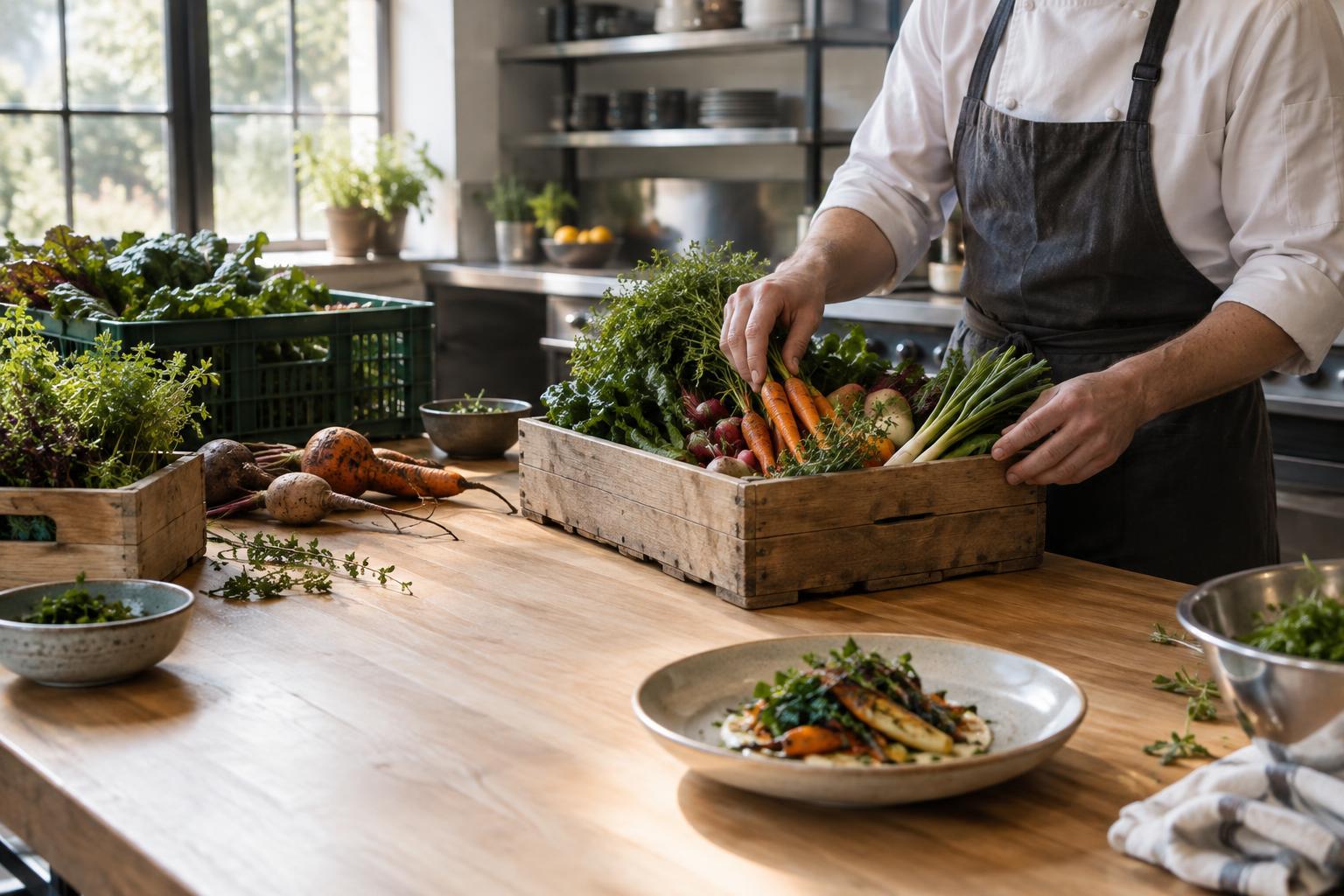
Start with the menu, not a fixed list of ingredients
Sourcing with seasonality in mind works best when a restaurant decides which parts of its menu can change. A signature dish may need a consistent base, while its vegetables, garnish or side can follow what suppliers have available. A soup, grain bowl or daily special can offer even more room to adapt. This approach lets the kitchen respond to supply without rewriting the entire menu each week.
Before choosing ingredients, identify the standards a dish must meet: flavor, portion size, preparation time, price and dietary needs. Then list acceptable seasonal alternatives. If one leafy green is unavailable, for example, another may work if it cooks and holds well in the same service format. Testing substitutions before they reach the menu helps protect the guest experience while giving buyers more options.
Look beyond the local-versus-imported label
A nearby farm can be a valuable partner, but distance alone does not describe an ingredient’s environmental impact. Production methods, energy used for growing or storage, packaging, transport, spoilage and the amount the kitchen discards can all matter. A product grown close to the restaurant is not automatically the better choice in every circumstance; neither is an imported product automatically the worse one.
Ask suppliers practical questions rather than expecting a single sustainability score. When is the ingredient normally harvested? How is it stored between harvest and delivery? What packaging is used, and can it be returned or reduced? What sizes or grades are available? Answers may be incomplete, especially for products that pass through several businesses. Even so, consistent questions make purchasing decisions more informed and reveal where a supplier can offer useful alternatives.
Build flexibility into supplier relationships
Seasonal availability rarely follows a restaurant’s purchasing calendar precisely. Weather, demand and delivery schedules can affect what arrives and when. Share expected order volumes and menu plans with suppliers early enough for them to suggest substitutions. In return, ask how much notice they need for changes and whether they can flag ingredients that are abundant, nearing the end of their season or available in smaller quantities.
It can also help to distinguish between ingredients that require a dependable supply and those suited to short runs. A restaurant might keep a stable core menu while offering specials built around what a supplier can provide that week. Agree on quality and size requirements, but consider whether cosmetic variation matters in a dish where the ingredient will be chopped, cooked or blended. Flexibility should never mean accepting food that fails the kitchen’s safety or quality standards.
Make waste part of the sourcing decision
An ingredient’s value is not just its purchase price. If it needs extensive trimming, spoils before service or produces portions guests routinely leave behind, the kitchen may be buying more than it can use. Track what is ordered, what becomes usable preparation and what remains at the end of service. A simple, regularly reviewed record can show whether an ingredient works for the menu’s actual demand.
Plan uses for edible parts and surplus before placing a large order. Vegetable stems may suit a stock or sauce; ripe fruit may work in a cooked preparation rather than a fresh garnish. These uses should fit the restaurant’s food-safety procedures and staff capacity, not create extra work for a product no one wants to serve. Smaller orders, adaptable specials and recipes that share ingredients across dishes can often be more practical than finding a last-minute use for excess stock.
Tell guests what the kitchen can stand behind
Guests may appreciate a seasonal menu, but broad claims such as “sustainable” can promise more than a restaurant can verify. Describe specific choices instead: a vegetable changes with availability, a supplier provides an ingredient during its harvest season, or a special helps the kitchen use a limited delivery. Staff should know which details are confirmed and how to explain substitutions without implying that every ingredient comes from the same source.
Review the approach as the menu evolves. Ask whether seasonal substitutions still taste right, whether suppliers can meet demand and whether waste has shifted elsewhere in the kitchen. Sourcing with environmental impact in mind is an ongoing set of decisions, not a permanent label for a dish. The most useful policy is one the team can follow during a busy service and explain honestly to guests.