Start with the guest, not the catalog
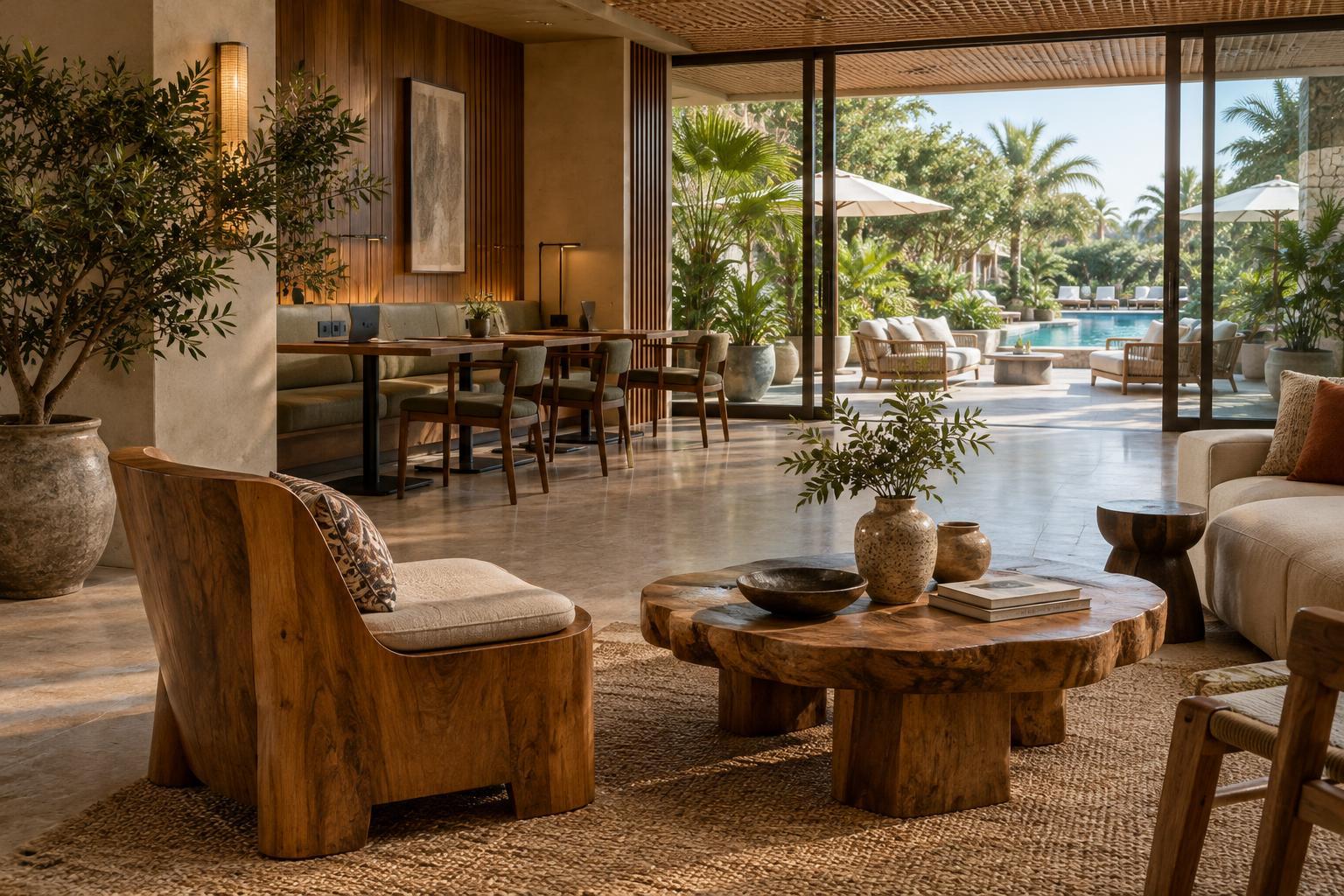
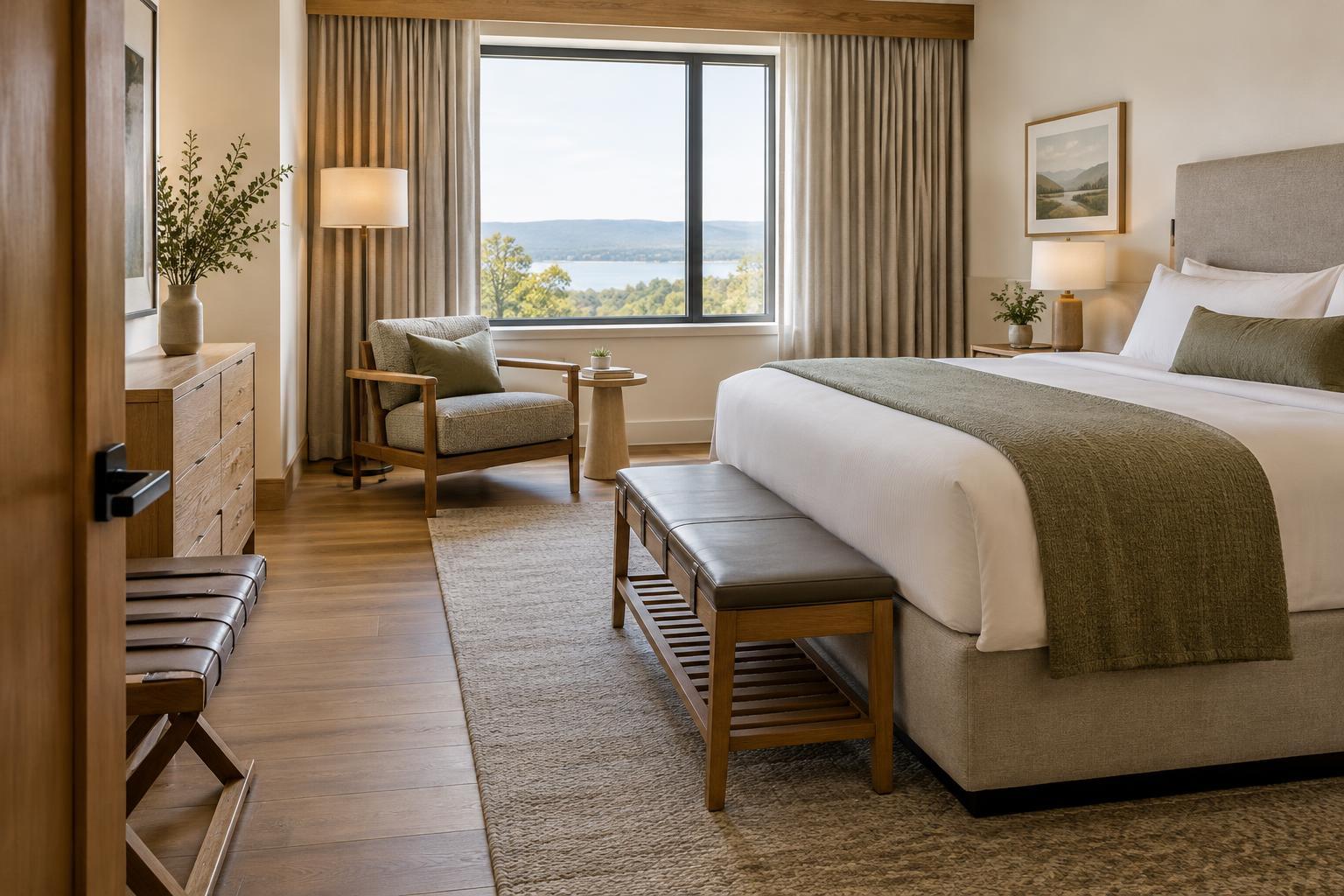
A chair can look right in a photograph and still feel wrong after ten minutes. Before selecting furniture, list the activities each space needs to support. In a guest room, that might include sleeping, working, setting down luggage and finding a place to sit while putting on shoes. In a lobby, guests may need to wait briefly, talk in a group or pause with bags beside them. These uses provide a more reliable starting point than a visual theme alone.
Comfort is also more than softness. A lounge chair that is difficult to rise from may not suit a space used by many different guests. A desk chair needs a stable seat and enough room to move without striking a bed or wall. Where possible, test samples in realistic arrangements. Sit in them, reach for the nearby table, stand up and consider how the setup feels for people with different heights and mobility needs.
Match furniture scale to the room
Furniture should fit the way a room is used, not merely fit within its measurements. A large upholstered chair may leave just enough floor space on a plan but make the route to the bathroom feel cramped. Measure doors, circulation paths and the space needed to open drawers, pull out a chair or place a suitcase on a rack. In shared areas, leave room for people to pass without asking seated guests to move.
Visual scale matters too. Low, narrow pieces can look lost in a generous lobby, while bulky frames can overwhelm a compact guest room. Consider height alongside width and depth: a bedside table should be convenient from the bed, and a dining chair should work with the table rather than only with the room’s style. Mockups or taped floor outlines can expose awkward proportions before a full order is placed.
Look beneath the finish
Heavy use reveals weaknesses that may not be obvious in a showroom. Inspect how a piece is assembled, especially joints, legs, drawer runners and the points where arms or backs attach. Ask suppliers how damaged components can be repaired or replaced. A finish that hides minor marks may be practical, but it should also tolerate the cleaning methods the property uses.
For upholstery, consider how fabric feels against skin as well as how it responds to spills, rubbing and routine cleaning. Removable covers or replaceable cushions can make upkeep easier when the design allows for them. On hard surfaces, check edges and corners that are likely to be bumped by luggage or cleaning equipment. No material is maintenance-free; the useful question is whether staff can care for it consistently without specialized effort.
Plan for access and everyday operations
Furniture choices affect the people who clean and maintain a hotel as much as those who stay in it. A bed base that leaves an unreachable gap can collect dust, while an overly heavy chair may be difficult to move for cleaning. In food and beverage spaces, table bases should give guests legroom without making floors unnecessarily hard to reach. Talk with housekeeping and maintenance teams before finalizing pieces; they often know where existing furniture causes avoidable work.
Consider a range of guest needs without assuming one arrangement suits everyone. Clear routes, usable seating options and reachable surfaces contribute to a more welcoming space. Accessibility requirements vary by location and project, so confirm applicable standards with qualified project professionals. Beyond those requirements, offering some choice in seat height, firmness and arm support can help guests find a place that works for them.
Choose for a long service life
The purchase price is only part of a furniture decision. Think about cleaning time, likely repairs, availability of replacement parts and whether a piece can be refinished or reupholstered. A distinctive item may be worthwhile as a focal point, but relying on a difficult-to-replace custom finish throughout a property can complicate future updates. Keep records of finishes, fabrics and suppliers so replacements are easier to match.
A small trial can be more informative than choosing entirely from samples. Place a proposed piece where guests and staff can use it, then note practical issues such as wobbling, awkward reach or visible wear. The strongest hotel furniture selections balance appearance with comfort, room to move and a realistic plan for care. When those factors agree, the space is more likely to keep feeling welcoming after the first impression fades.