Start by learning what kind of meal guests want
A well-paced meal is not necessarily a slow one. Guests stopping in before an event may value a prompt main course, while a group celebrating an occasion may want time between dishes. The goal is to notice their needs early and make the pace feel intentional rather than imposed.
A brief question can help: “Are you on a schedule this evening, or would you prefer to take your time?” The answer gives the server useful context without asking guests to plan every course. Watch for other cues, too. Guests who close their menus and look around may be ready to order; guests still discussing choices may appreciate another minute. These signals are useful, but they are not a substitute for asking when the situation is unclear.
Take orders without rushing the decision
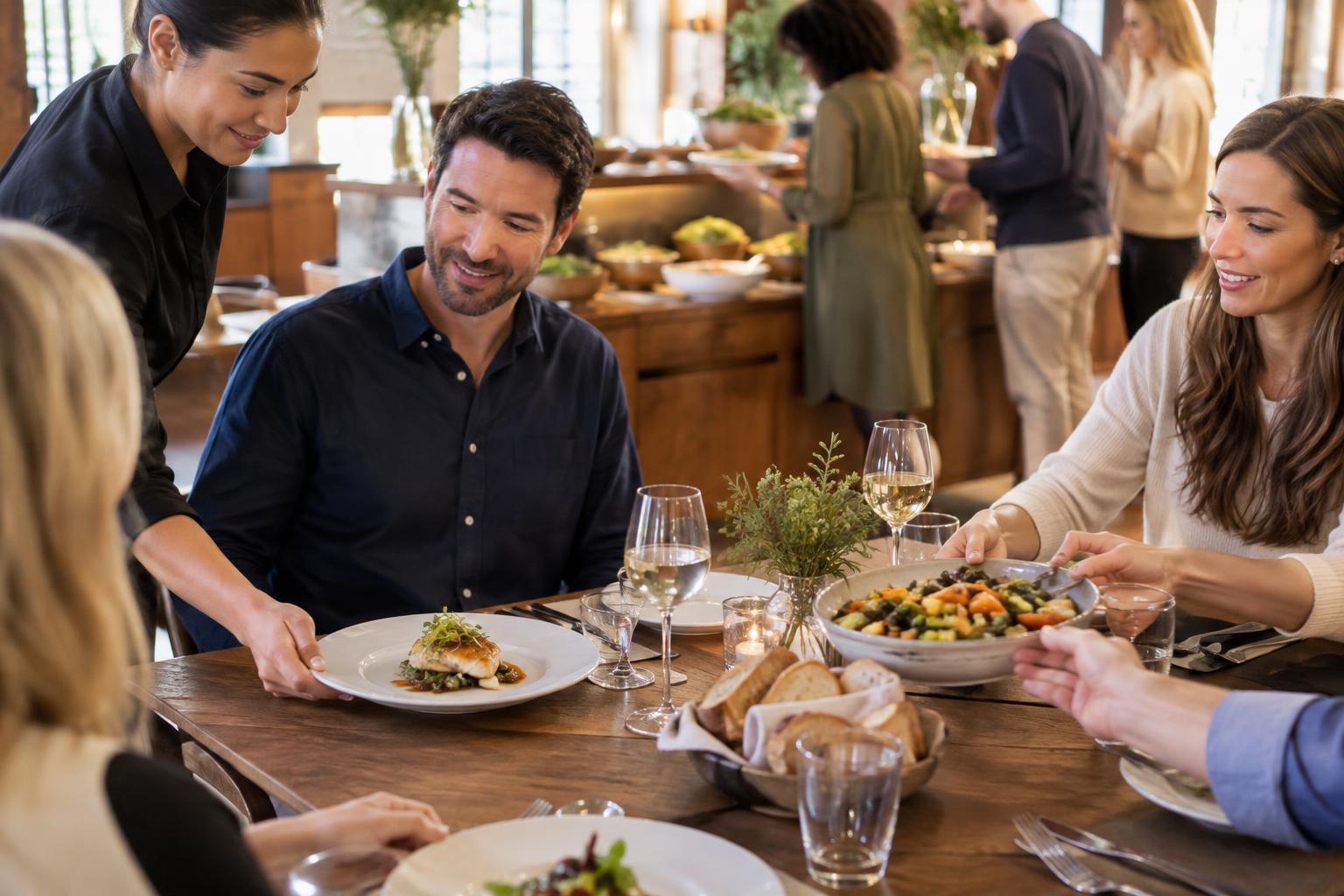
The first visit to the table should establish that someone is looking after the guests. Offer drinks, explain anything they need to know about the menu and give them space to choose. If a guest has a question about an ingredient or preparation, seek a reliable answer rather than guessing. A clear answer at this stage can prevent confusion after the food arrives.
When taking the order, confirm the sequence if it matters: whether starters should come before mains, whether dishes are intended for sharing and whether guests want any course held. In a restaurant where the kitchen prepares several items at once, those details need to reach the people coordinating service. Pacing problems often begin when a preference is heard at the table but never passed on.
Coordinate courses as a team
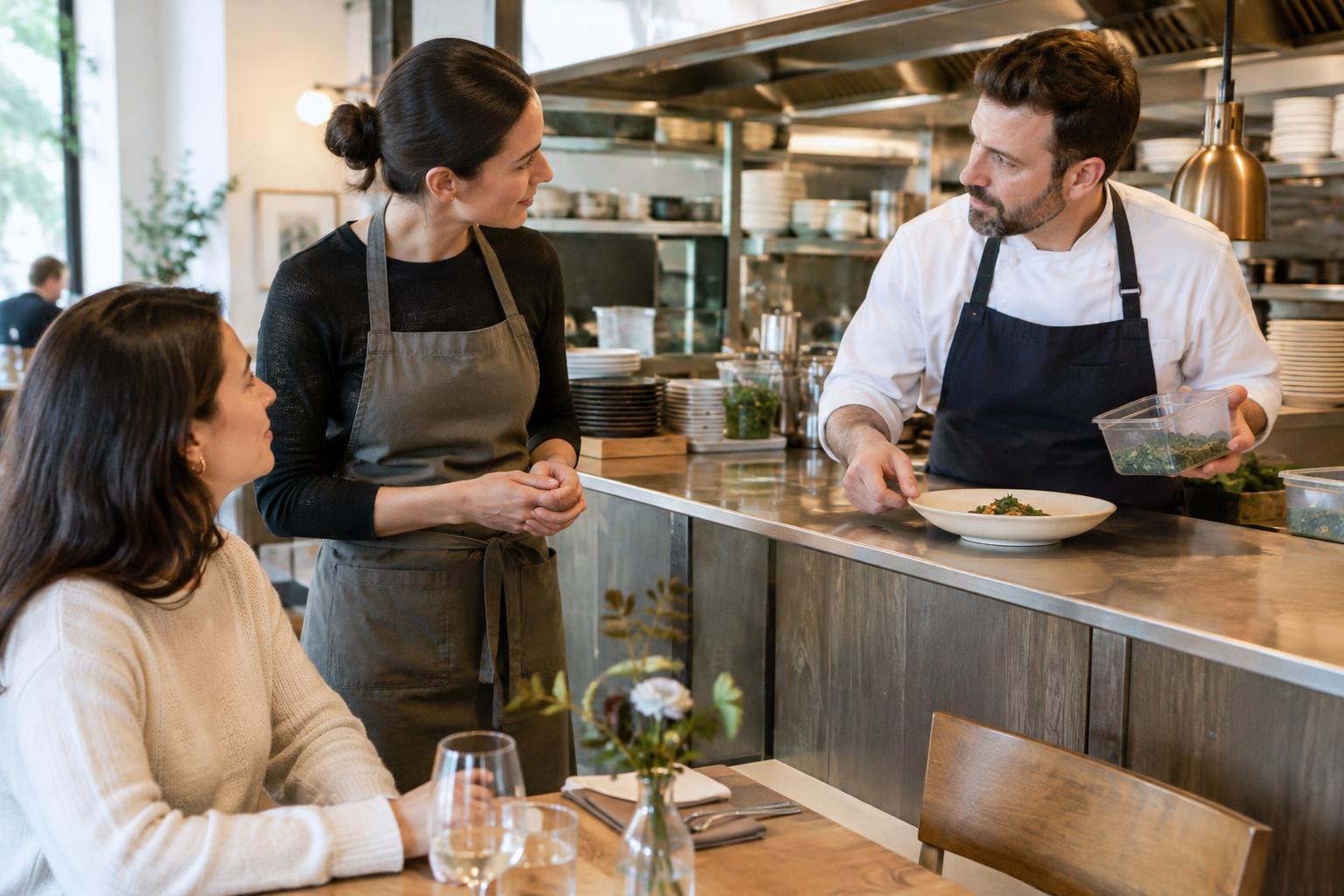
The dining room and kitchen need a shared understanding of when the next course should begin. A server can check whether guests are still eating, whether plates can be cleared and whether anyone has stepped away before signaling for the next course. The kitchen, in turn, can let the dining room know when an item needs extra preparation time. Neither side can control the pace well with only half the picture.
Clear plates thoughtfully rather than treating an empty plate as automatic permission to move on. If one person is still eating, ask before clearing around them, especially at a small table where the movement may feel conspicuous. Once a course is finished, guests may welcome a pause, but an unexplained wait can feel like they have been forgotten. If the next dish will take longer than expected, a simple update gives them a sense of what is happening.
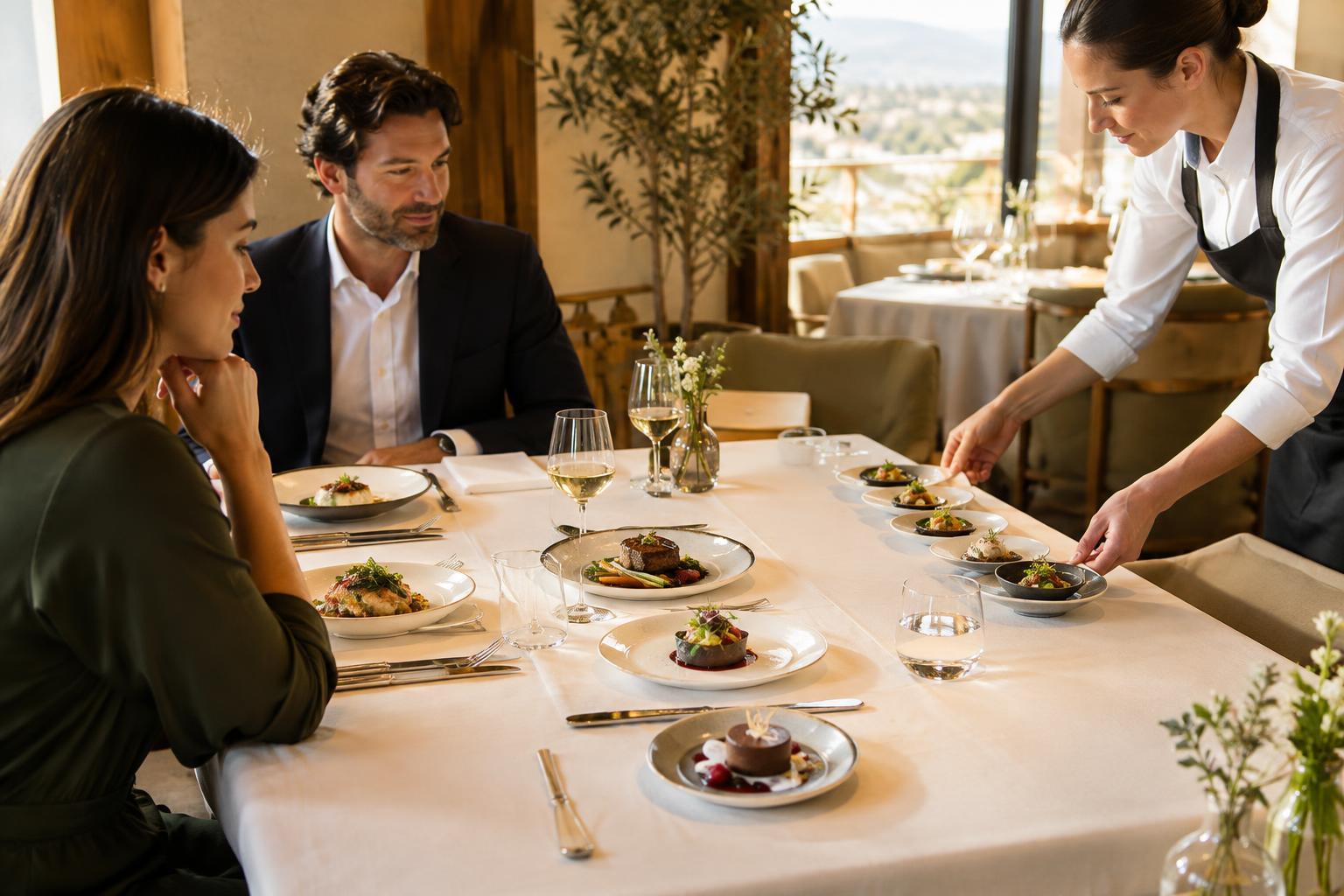
Not every meal follows a neat starter-main-dessert sequence. Shared plates, tasting menus and dishes ordered throughout the visit require closer coordination. The useful principle remains the same: know what has been served, what is coming and whether the table is ready for it.
Make table checks useful and unobtrusive
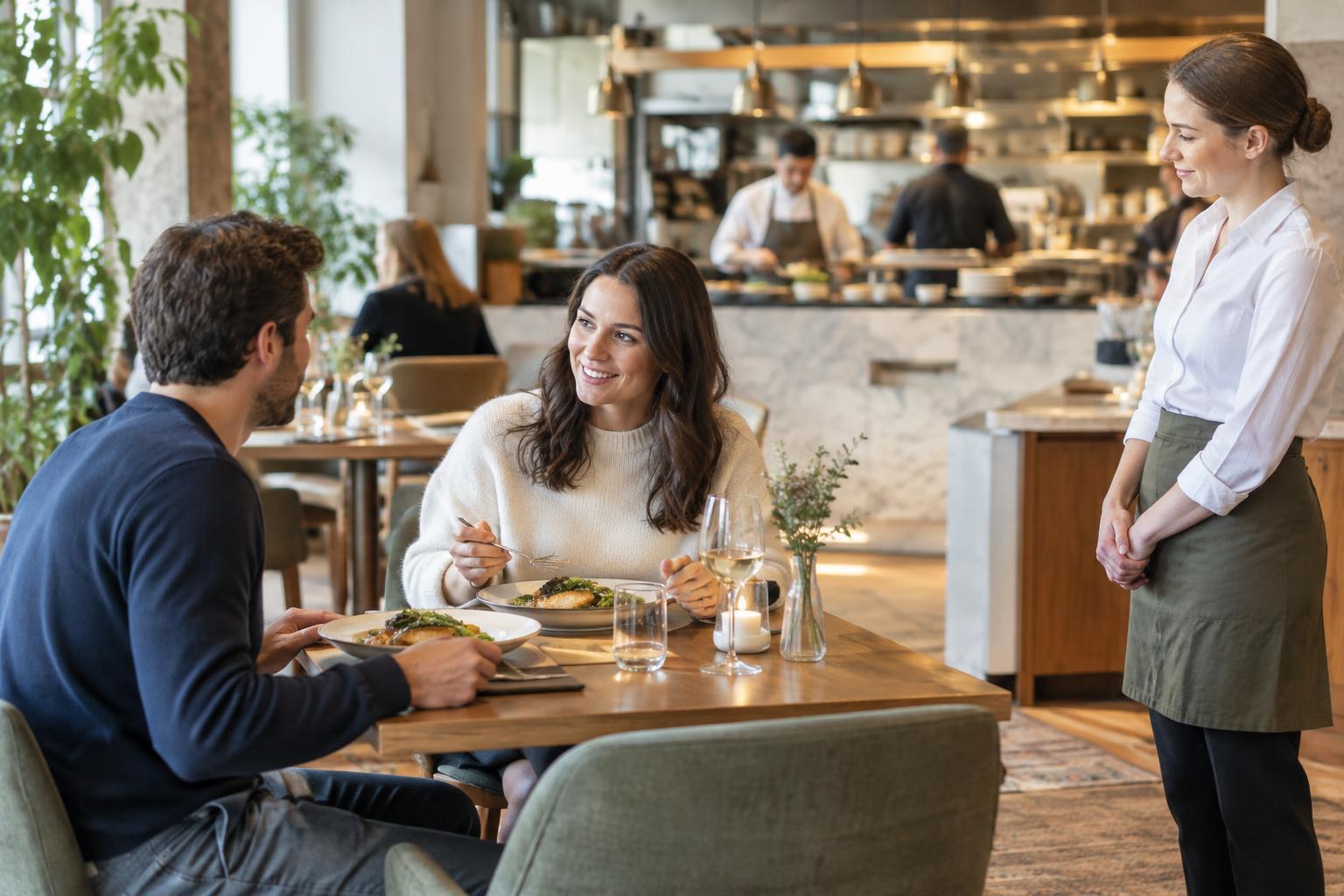
A table check works best when guests have had a chance to taste their food but can still benefit from help. Ask a specific, open question such as “Is everything tasting as you expected?” and be ready to act on the answer. Hovering while guests take their first bites, or returning repeatedly with the same question, can interrupt the experience rather than improve it.
Many checks can happen through observation. An empty water glass, a missing utensil or a guest looking toward the service area may call for attention. Approach at a natural break in conversation when possible. If a concern is raised, listen, clarify what would help and communicate promptly with the relevant teammate. A calm response matters more than a rehearsed phrase.
Finish at the guest’s pace
The final course should not feel like a signal to leave. Offer dessert or another drink when the table seems ready, and make it easy for guests to decline. When they request the bill, respond promptly; when they do not, avoid presenting it in a way that suggests their time is up unless the restaurant has clearly explained a booking limit.
Good pacing depends on small adjustments throughout the meal, not a fixed schedule applied to every table. Brief communication among staff, accurate notes on guest preferences and attention to what is happening in front of you make those adjustments easier. The result is service that feels present when needed and gives guests space when it does not.