Guests want to picture the stay they are booking
Before booking, guests use photos and descriptions to answer practical questions: What will the room feel like? Is there space to work or unpack? How far is the bed from a shared area? A polished photograph may create interest, but it is most useful when guests can tell what it shows and whether it represents the room they can reserve.
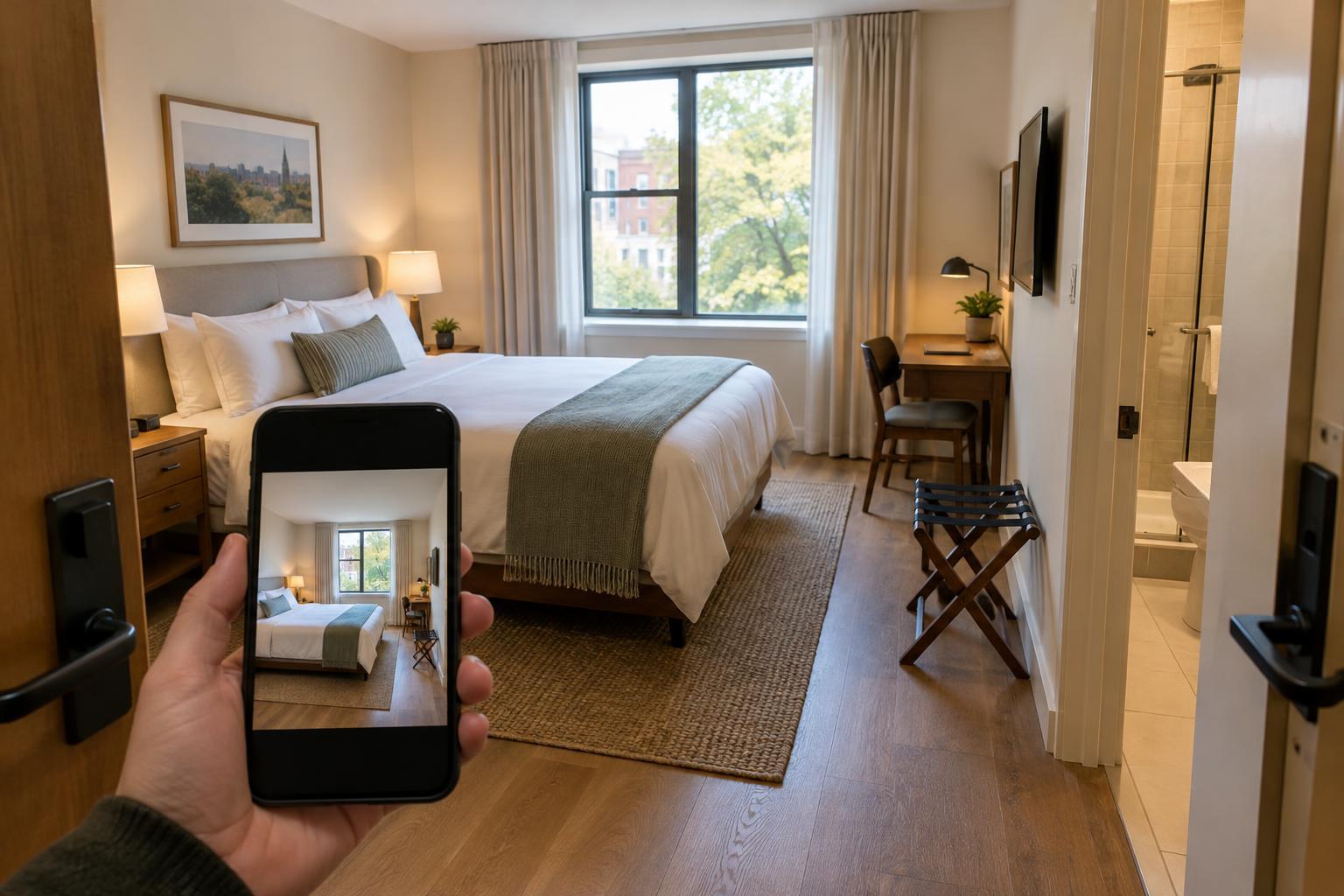
A strong property presentation connects images to specific spaces. Labeling a photo “deluxe king room” is more helpful than labeling it simply “guest room.” If a property has several layouts within one category, showing more than one view can prevent a single attractive image from becoming an unintended promise. Descriptions should explain meaningful differences, such as bed type, floor area, view category or whether a sofa converts into a bed.
Photos should show context, not just highlights
Guests appreciate appealing images, but they also need a sense of scale and arrangement. A wide view of the entire room, followed by closer views of the bathroom, storage and workspace, tells a fuller story than a series of decorative details. Natural-looking lighting and consistent editing make finishes easier to judge. Overly tight crops can leave guests unsure about what sits just outside the frame.
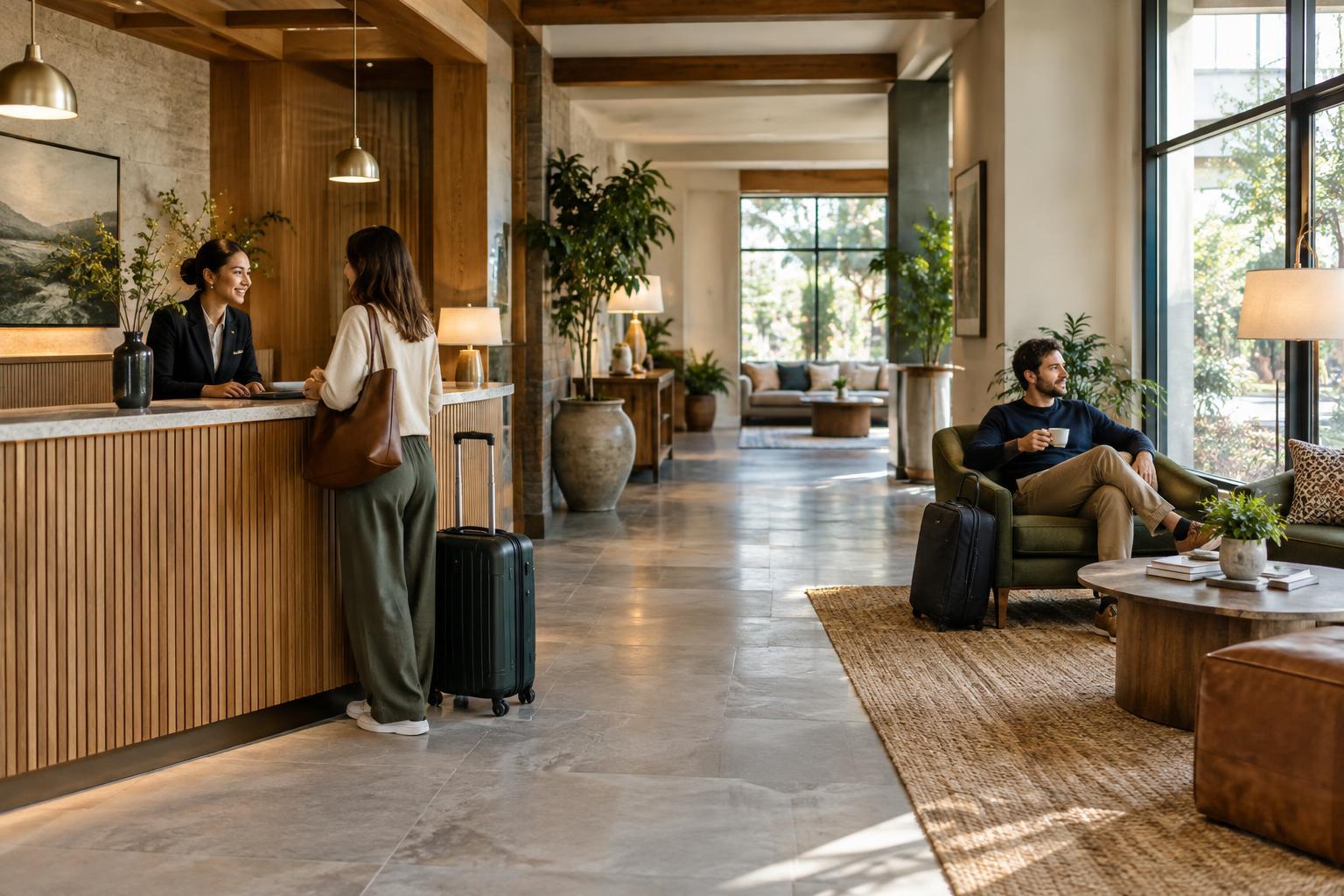
Shared spaces need the same clarity. A pool photo should help guests see the pool area, not only a carefully styled chair. Restaurant images should distinguish the dining room from a private event space. Photos of entrances, corridors and outdoor paths can be especially useful for guests planning how to move through the property. When an image shows an amenity available only with certain bookings, a label or nearby explanation can make that limitation clear.
Descriptions should answer the questions photos cannot
A photograph cannot reliably explain whether breakfast is included, whether parking must be reserved or what “near the station” means in practice. Guests look to written descriptions for conditions, options and boundaries. Plain language works better than broad phrases such as “all the comforts of home.” A statement that rooms include a desk and chair is more useful to someone planning to work than a general claim that the hotel is business-friendly.
The most helpful details often concern differences between what is available and what is guaranteed. If some rooms have balconies, the description should not imply that every room does. If a guest must request a particular setup, say so and explain whether requests depend on availability. The same principle applies to accessibility features: identify the specific features a property can confirm, rather than relying on a vague label such as “accessible room.” Clear wording lets guests decide what they need to verify before booking.
Accuracy matters when circumstances change
Guests may plan around a restaurant, gym, shuttle or other amenity shown in the listing. If hours, access or services change, descriptions and images should be reviewed so they do not create an expectation the hotel cannot meet. Temporary closures and renovations deserve prominent, understandable notices where guests make their decisions. A beautiful lobby photograph is not misleading on its own, but it can become frustrating if the space will be unavailable during a stay and that fact is hard to find.
Regular review is useful even without a major renovation. Furniture moves, room categories change and third-party booking pages may retain older text. A simple review process can compare the hotel’s own pages with the information sent to booking partners. Staff who answer guest questions can also flag recurring points of confusion. Those questions often reveal which photo needs a clearer label or which description needs one more sentence.
A useful listing helps guests choose, not merely click
The goal of a hotel listing is not to make every guest expect a perfect stay. It is to help each guest decide whether the property suits their priorities. Someone seeking a quiet room, a step-free route or an easy place to eat nearby may notice details that another guest overlooks. Offering specific, easy-to-find information respects those different needs without turning the listing into an exhaustive inventory.
Hotels can test a listing with a practical question: could a person unfamiliar with the property identify what their chosen room includes, which amenities cost extra and which features depend on availability? If the answer is unclear, another attractive photograph is unlikely to solve the problem. A balanced set of images, precise labels and straightforward descriptions gives guests a more dependable picture of the stay—and gives staff a better starting point for welcoming them.