Start with choice, not assumptions
A solo traveler may be on a work trip, taking a quiet break, visiting family or exploring a new place. Some want conversation and local suggestions; others want an efficient check-in and time to themselves. Traveling alone does not necessarily mean feeling lonely, nervous or eager to meet people. The most useful approach is to offer choices clearly, then let the guest decide how much assistance or interaction they want.
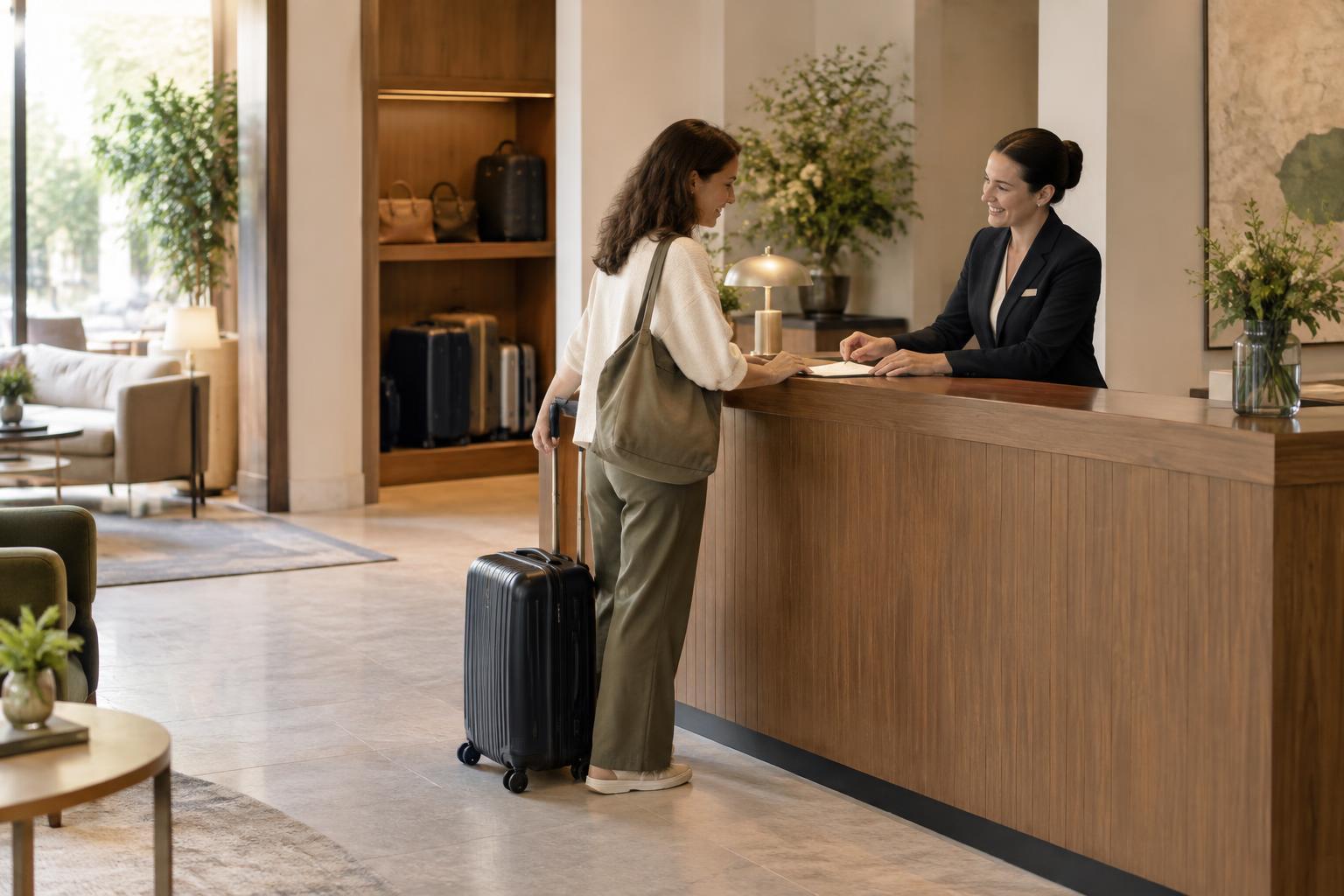
That choice can begin before arrival. Straightforward information about check-in, transport options, dining hours and available room features helps a guest plan without making several calls. On arrival, staff can briefly explain what is available and offer to answer questions later. A guest who declines help should still feel welcome to ask for it when plans change.
Make independence easy
Independence depends on details that are easy to overlook. Clear signs, logical layouts and accurate opening hours reduce the need to stop and ask for directions. In a hotel, guests benefit from knowing how to reach their room, where to find water or food, and whom to contact if something is not working. Instructions for Wi-Fi, heating and room controls should be simple enough to use without guesswork.
Digital tools can support this independence when they provide useful options rather than creating extra steps. A mobile check-in option may suit someone arriving late, while another guest may prefer to speak with a person at the desk. Either way, help should remain easy to find. A self-service feature is most welcoming when it saves time and has a clear path to human assistance.
Treat comfort as more than room size
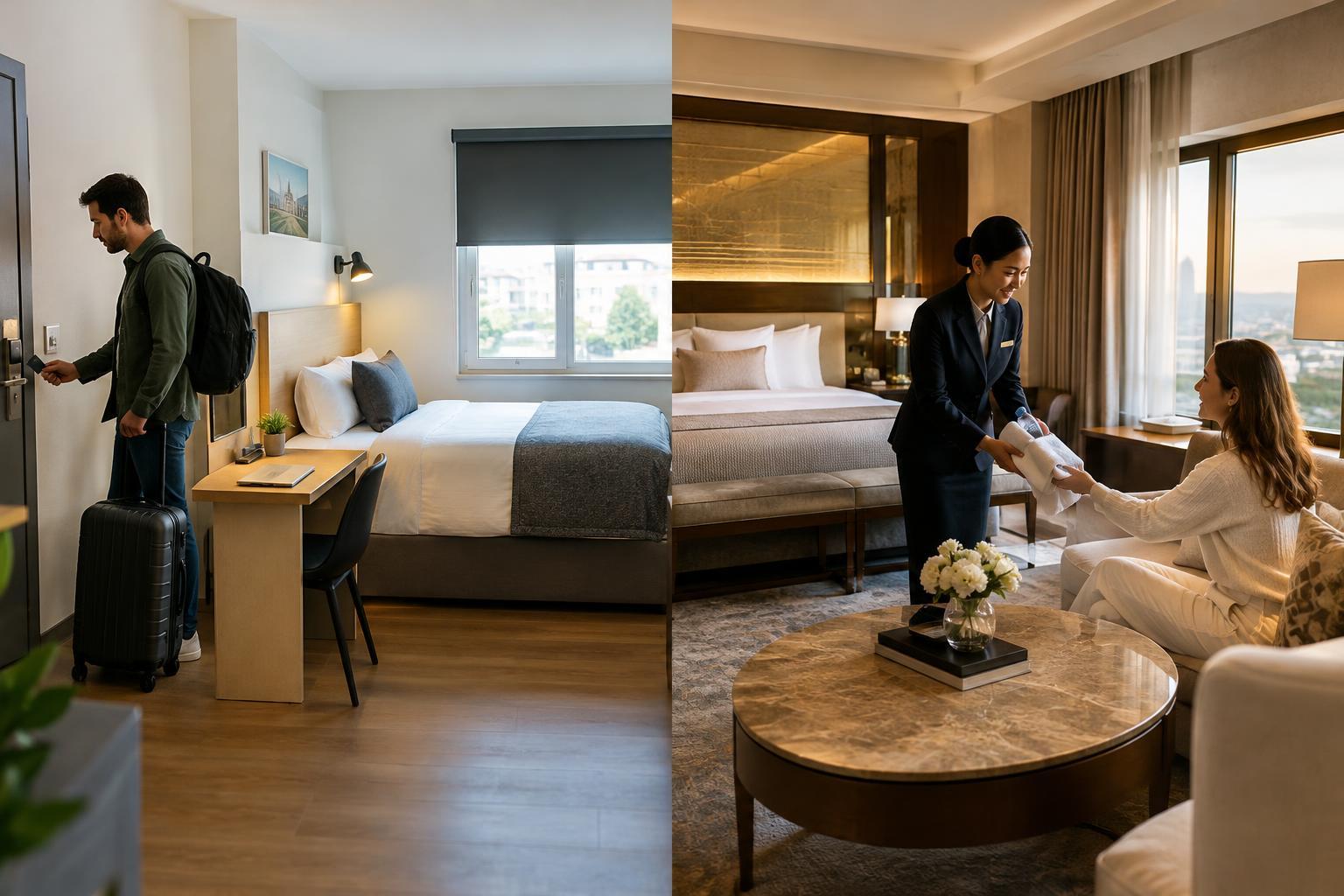
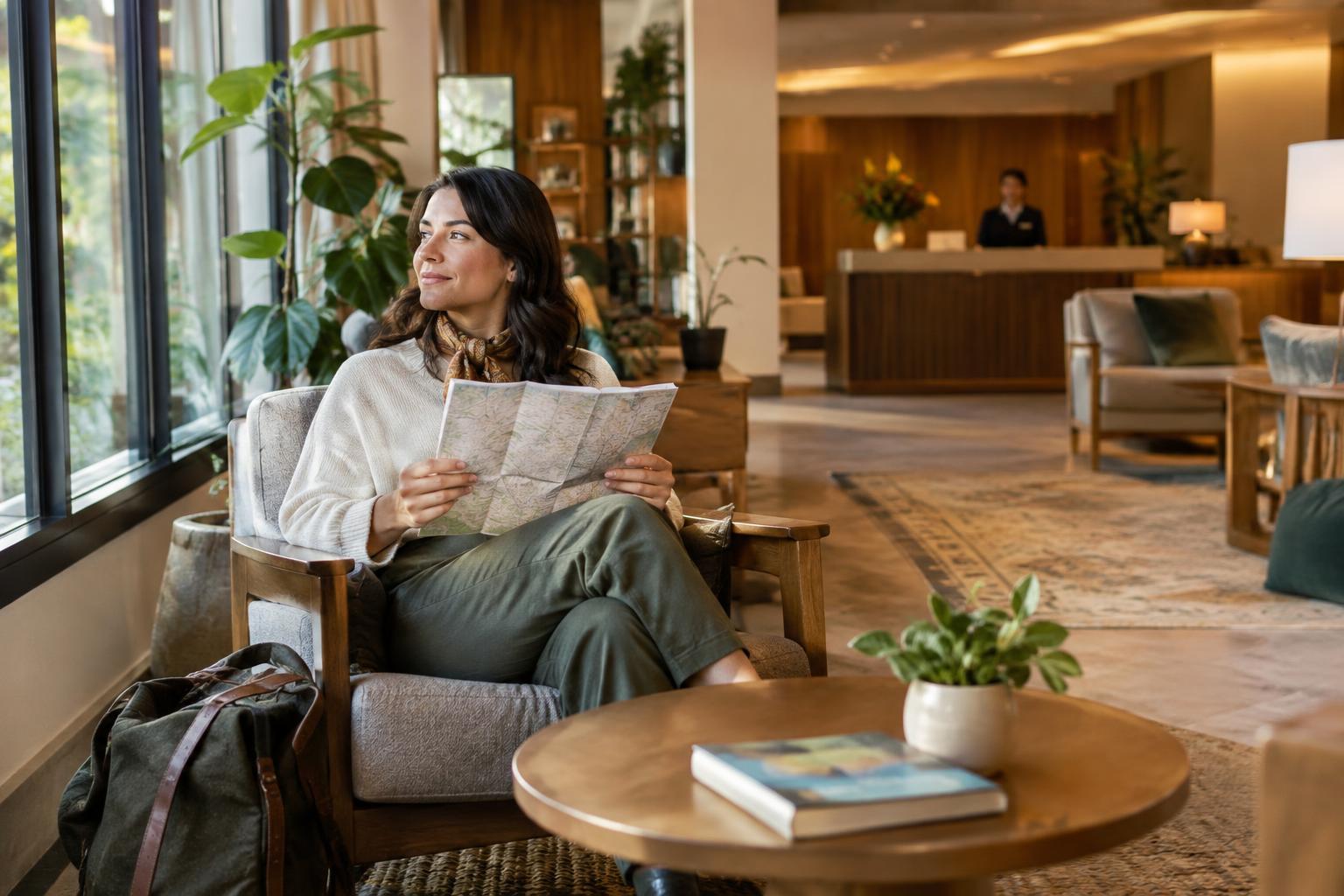
Solo guests often notice whether a space feels comfortable to use alone. A hotel lobby with varied seating lets someone read privately, work for a while or sit near activity without having to join it. Good lighting, accessible power outlets and a place to set down a bag make those choices easier. In the guest room, a functional desk or chair can matter more than extra floor space.
Restaurants can make a similar difference. A person dining alone should be offered the same attentive welcome as a group, without being rushed or made conspicuous. A choice between a table and counter seating, where available, lets the diner set the tone of the meal. Staff can explain portions or pacing when asked, but need not assume that a solo diner wants a quick visit.
Build peace of mind through reliable service
Peace of mind comes partly from knowing what to expect. Clear policies for arrivals, payments and room access can prevent avoidable uncertainty. Well-maintained locks, visible wayfinding and a reliable way to reach staff are important for every guest, including those who have no companion to troubleshoot with them. Staff should handle room numbers and personal details discreetly rather than announcing them to a crowded space.
Responsiveness matters as much as the initial welcome. If a guest reports a noisy room, an unclear charge or a problem with access, a calm explanation of the next step can restore confidence. Staff do not need to promise an instant solution when one is not available. They can say what they will do, when the guest can expect an update and how the guest can follow up.
Offer connection without pressure
Some solo travelers appreciate recommendations that help them engage with a destination. A short list of nearby places to eat, public transport guidance or information about on-site activities can be useful. The key is to make these resources available without treating a guest’s unaccompanied status as an invitation for personal questions. A friendly, neutral offer gives them room to choose.
For hospitality teams, the guiding principle is simple: give solo guests the same warmth offered to anyone else, paired with the flexibility to shape their own stay. Clear information supports independence. Comfortable spaces make time alone feel intentional rather than awkward. Discreet, dependable service helps a guest relax, whether they spend the evening meeting people or enjoying their own company.