Start with the tables that can actually become available
A walk-in estimate is not simply the number of parties ahead multiplied by an average meal length. The host needs to consider party sizes, table configurations, reservations due soon, and whether the kitchen and servers can take another seating. A two-top that is nearly finished may not help a party of six, while several empty tables may not be ready for guests if the team is already stretched.
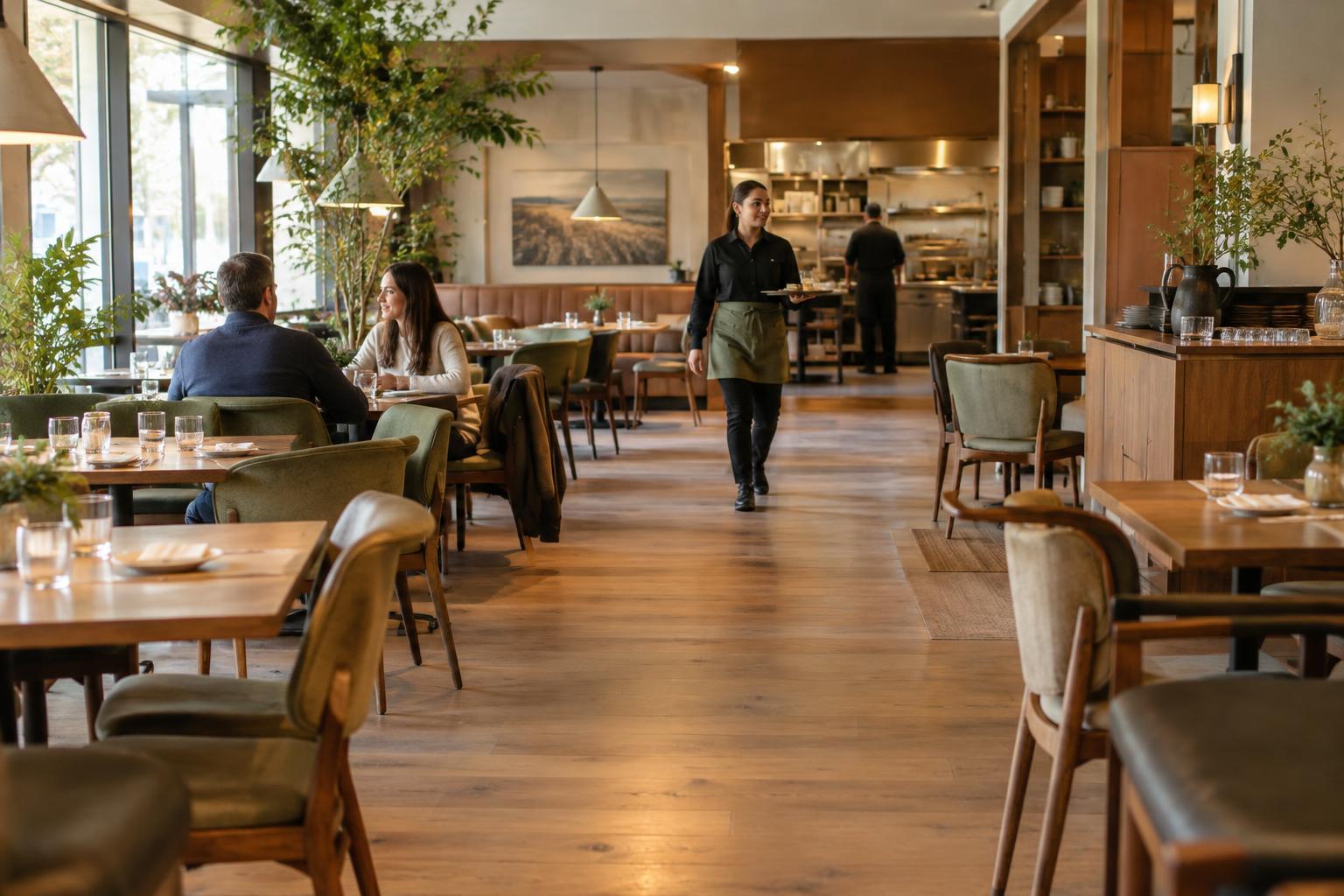
Before quoting a wait, check the room: which parties appear to be finishing, which tables need clearing, and which arriving reservations have been promised space? Treat signs such as dessert arriving or a bill being presented as clues, not guarantees. Guests may linger, and resetting a table takes time. A brief check-in with a manager or server can clarify whether an apparently available section can handle another party.
Keep the estimate grounded in what the team can see and reasonably expect. On a quiet shift, a specific time may be useful. During a rush, a range such as “about 25 to 40 minutes” is often more honest than a precise promise. The range should account for normal variation, not hide a known delay.
Use a consistent process, then adjust to the shift
A simple waitlist records each party’s name, size, arrival time, contact method if offered, seating needs, and the estimate given. Hosts should also note when a party has been contacted and when they are seated or removed. Whether the team uses paper or software, a shared record prevents guests from being forgotten during a handoff.
Build estimates from recent observations at that restaurant rather than a universal rule about how long diners stay. A quick-service lunch and a leisurely dinner create different patterns, and even the same dining room changes pace during a shift. Staff can compare quoted waits with actual seating times and use the differences to refine their judgment. If estimates keep running short, consider whether table turnover, cleaning, reservations, or seating capacity has been overlooked.
Agree on how the waitlist works before the door gets busy. Decide who may change estimates, how long to hold a table after calling a party, and how to handle guests who step away. Consistency matters, but it need not mean seating strictly by arrival order when tables fit different party sizes. Explain that distinction clearly rather than leaving guests to infer that someone has skipped the line.
Make the estimate useful to the guest
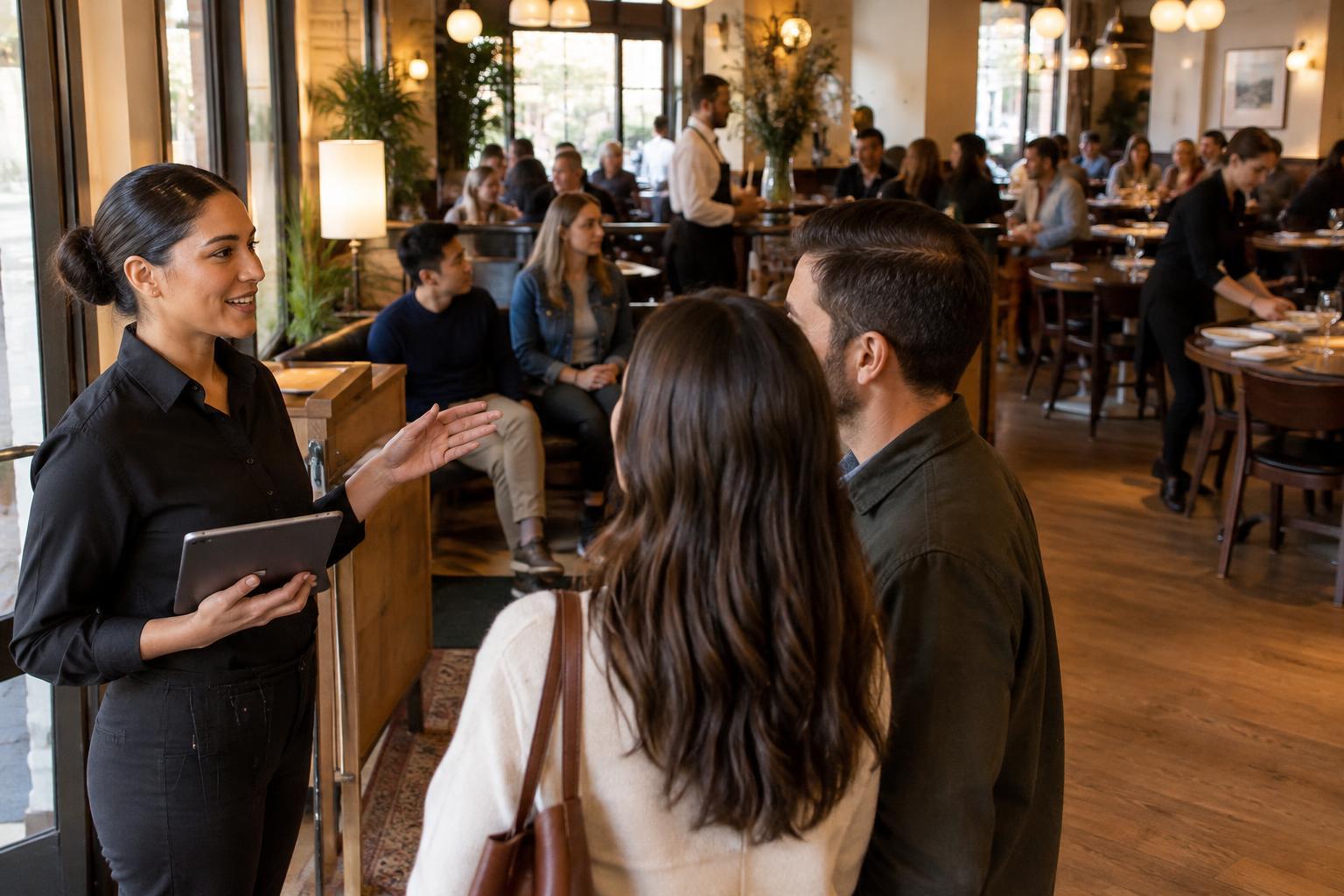
Guests need more than a number. Tell them whether the estimate begins now, where they can wait, and how they will know their table is ready. If the restaurant can send a text, confirm that the contact details are correct and explain whether guests should remain nearby. If it cannot, point out the best place to check back. Do not imply that a notification system or table hold exists when it does not.
Use plain language to distinguish an estimate from a reservation: “We expect a table in about 25 to 40 minutes, but it may change as tables become available.” Give guests room to choose. If the wait may exceed their available time, saying so respectfully is better than offering an optimistic figure to keep them at the door. Where appropriate, suggest another seating option, such as the bar, only if it is genuinely available and suits their party.
Avoid repeatedly revising the estimate without explanation. When conditions change, give a reason the guest can understand, such as a table taking longer to clear or a reservation arriving. An update does not erase the inconvenience, but it shows the waitlist is being actively managed.
Keep the queue visible to the team
The host stand needs a reliable view of the whole dining room. Servers can flag tables that are nearing departure, bussers can report reset progress, and managers can identify sections that need a pause. Short, specific updates are more useful than vague signals that a table is “almost ready.” They also reduce the risk of calling a guest before the table is clean and the service team is prepared.
Review the list whenever a table opens. Match the table to a suitable party while accounting for reservations and any needs already recorded. If a smaller party is seated ahead of a larger one because only a small table is available, the host should be ready to explain the reason without discussing other guests’ details. A clear process supports fairness better than an improvised promise that every party will be seated in exact order.
Learn from the waits you quote
After a busy period, compare a few estimates with the actual waits. Look for patterns rather than blaming an individual host for every difference. Were large parties consistently underestimated? Did tables sit empty while a section caught up? Were guests hard to reach when called? Each pattern suggests a different operational fix.
Realistic wait management is an ongoing conversation between the door and the dining room. The goal is not to predict every departure perfectly. It is to give guests a credible choice, keep them informed when the picture changes, and seat them when the restaurant is ready to welcome them.