Start with the experience, not the flow rate
A water-efficient fixture succeeds in a hotel or restaurant when it works well for the person using it and for the team maintaining it. A shower that feels weak may prompt guests to stay under it longer. A tap with an awkward sensor may lead to repeated attempts to wash hands. Lower flow is therefore only one part of a good specification; ease of use, dependable operation and the setting around the fixture matter too.
Before comparing products, map where water is used and what each location demands. A guestroom shower needs comfortable coverage and intuitive controls. A lobby restroom tap must cope with frequent, brief use. A restaurant handwashing sink needs to support staff routines. Record recurring complaints, maintenance issues and differences in water pressure where possible. These observations give the purchasing team a clearer brief than a single target flow rate.
Compare showers and taps in realistic conditions
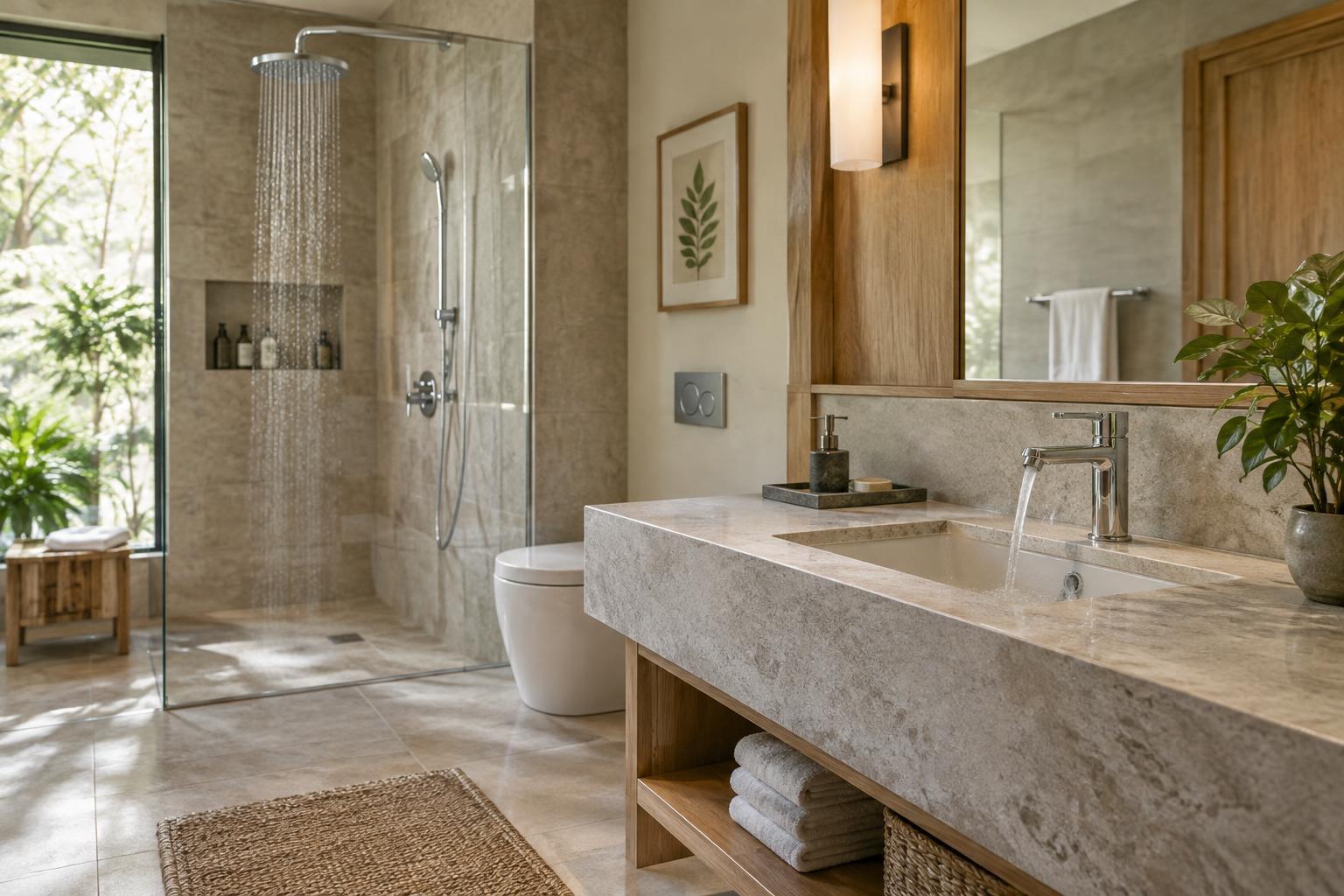
For guestroom showers, look beyond the stated flow rate. Spray pattern, droplet feel, adjustment range and the response when water pressure changes all affect comfort. Ask for samples and test them in a representative bathroom, preferably at the pressures found across the property. Include the full shower assembly in the review: a suitable showerhead cannot compensate for confusing controls, slow temperature adjustment or a hose that is difficult to handle.
For basin taps, match the fixture to the task. A guestroom tap should offer enough clearance to wash hands and fill a small container without splashing over the counter. In public restrooms, sensor-operated taps can prevent water from being left running, but only if they activate predictably and shut off at a useful point. Mechanical taps with reliable shutoff may be simpler to maintain in some settings. Check how either type behaves with the basin design, soap placement and expected users.
Treat toilets as a system
Toilet selection is about effective flushing as well as the amount of water used. A model that regularly needs a second flush, clogs easily or requires frequent attention can undermine the intended benefit. Review the bowl, flush mechanism, drainage conditions and available water pressure together. Where a dual-flush model is being considered, the controls should be easy to distinguish and operate; unclear buttons can make the feature less useful.
Guestrooms and public restrooms may call for different choices. Guestroom toilets experience varied use and need to be quiet and straightforward. Public-area toilets may face heavier traffic and require durable controls and quick servicing. In either setting, confirm that the proposed fixture fits existing plumbing and applicable requirements before placing a large order. A small trial installation can expose problems that are difficult to spot on a specification sheet.
Build accessibility and upkeep into the choice
Efficient fixtures should be usable by guests and staff with different abilities. Consider reach, grip, visibility and the amount of force needed to operate controls. Sensor taps should allow enough time for a thorough handwash, while shower controls should be understandable without guesswork. Check applicable accessibility requirements and seek informed input when planning accessible rooms and restrooms; a water-saving feature is not successful if it creates a barrier.
Maintenance teams should also review samples before selection. Ask how to clean strainers, replace cartridges, service sensors and obtain spare parts. In areas with mineral buildup, components that are easy to inspect and descale may be more practical than intricate fittings. Consistent models across similar rooms can simplify stocking and training, though consistency should not override the distinct needs of a public restroom, guestroom or staff area.
Pilot, measure and adjust
A limited pilot gives a property room to assess fixtures before a wider rollout. Install candidates in a few representative spaces, then gather feedback from guests, housekeeping and engineering. Watch for splashing, inconsistent activation, repeated flushing and requests for adjustment. If the property can compare water use across similar periods or spaces, interpret the figures alongside occupancy and other changes rather than attributing every difference to the new fixture.
Finally, make the installation part of an ongoing routine. A leaking tap or running toilet can erase the benefit of an efficient specification, so staff need a simple way to report faults and a clear process for resolving them. Choosing water-efficient fixtures is not a one-time search for the lowest number on a product sheet. It is a careful match between water use, guest comfort, daily work and the building in which each fixture operates.