Build a plan around assets and guest impact
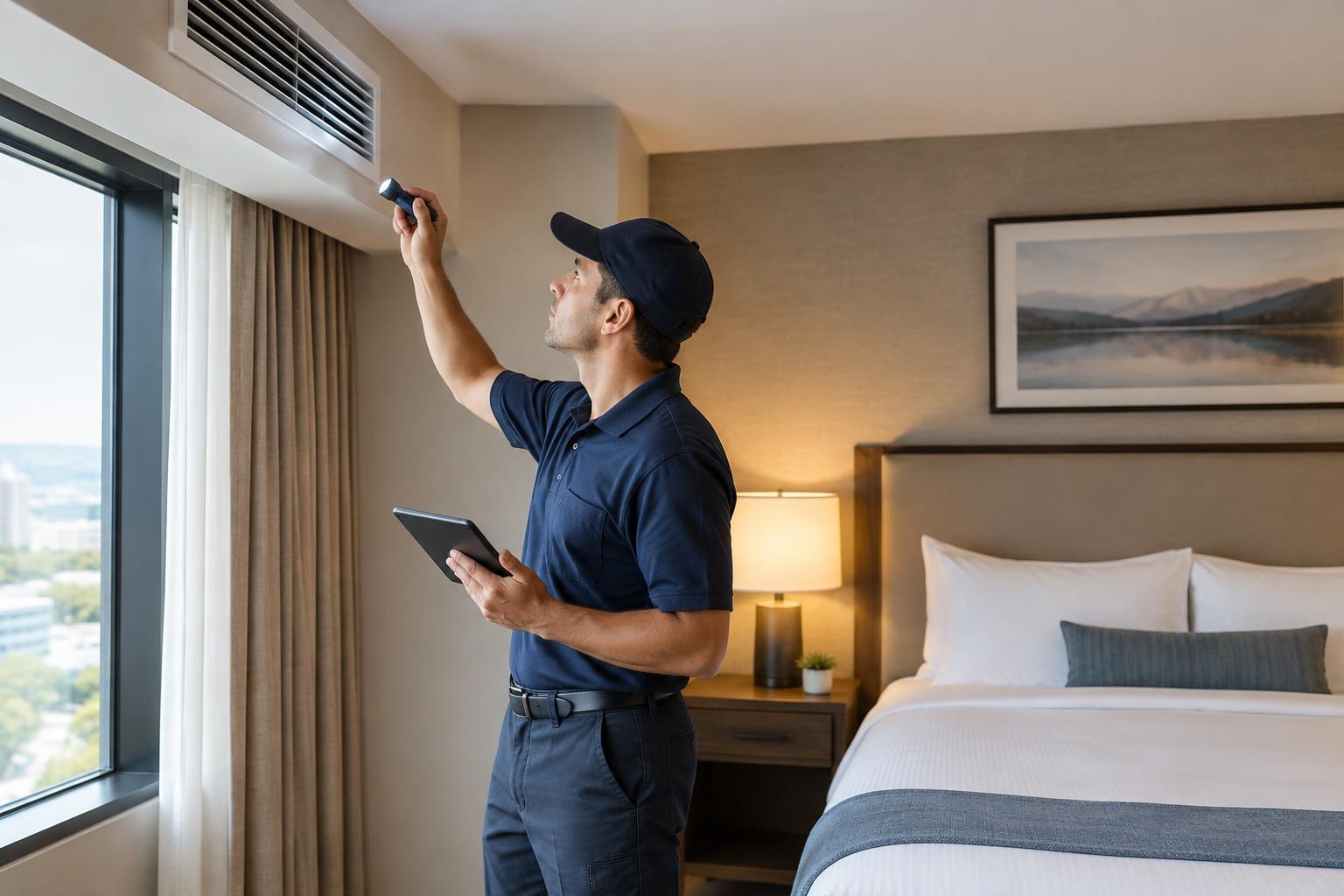
Preventive maintenance is the routine work that keeps equipment and spaces functioning before a breakdown disrupts a stay. It includes inspecting, cleaning, testing and servicing assets, as well as fixing small defects found along the way. In a hotel, the plan should cover more than major mechanical systems. Guest-room doors, lighting, bathroom fixtures, lifts, kitchen equipment and public-area finishes all affect whether the property feels dependable.
Start with an asset list organized by location. Record what each item is, where it is, who services it and any applicable manufacturer guidance or required checks. Then consider the consequences of failure. A fault that affects safety, access, sanitation or many rooms needs closer attention than a cosmetic defect with little immediate impact. This approach helps a team use limited time thoughtfully rather than giving every item the same inspection schedule.
Set inspection intervals that fit the operation
A useful schedule mixes frequent visual checks with more detailed periodic inspections. Housekeeping might report a loose handle or slow drain while preparing a room; an engineer might test equipment and examine wear during a planned visit. Checklists should be specific enough to guide action. “Check bathroom” is vague, while “run taps, check drainage and look for leaks beneath the basin” gives the inspector a repeatable task.
Base intervals on equipment guidance, applicable requirements, use and observed problems. A heavily used entrance door may need attention more often than one in a low-traffic area. Plan disruptive work around occupancy when possible, but do not delay an urgent safety concern for convenience. Put inspections on a shared calendar, assign an owner and allow time for the repairs they may uncover. A schedule that reserves no capacity for follow-up can quickly become a list of unfinished checks.
Make it easy to report and prioritize defects
Maintenance requests can arrive from guests, front-desk colleagues, housekeeping, food and beverage teams or scheduled inspections. Give those reports one route into the work queue, even if people submit them through different tools. Each request should include a precise location, a plain-language description, when the problem was noticed and, where useful, a photo. Staff should avoid including unnecessary guest details in a repair record.
Set simple priority rules that everyone understands. A potential safety hazard, active water leak or loss of an essential service calls for immediate assessment and, where appropriate, restricting access to the affected area. A room fault that prevents a comfortable stay may need action before the room is assigned again. Minor wear can usually enter a planned work block. The person receiving a report should know who can change a priority and how to reach someone when a problem arises outside normal maintenance hours.
Track repairs through to verified completion
A work order should tell the story of a fault from report to resolution. Useful fields include the asset or room, priority, assigned person, status, actions taken, parts used and completion date. Record whether the repair was temporary or permanent. If a room has been taken out of service, the status should be visible to the teams managing room availability. A shared spreadsheet can support a small operation; dedicated maintenance software may help when assets, users and work orders become harder to coordinate.
Do not treat “work completed” as the only closing step. Where practical, test the item under normal conditions and confirm that the area is clean and ready for use. Note any follow-up visit or specialist work still required. This prevents a quick adjustment from being mistaken for a lasting fix and gives the next colleague enough context to continue the job without starting from scratch.
Use the records to improve the next schedule
Review open work orders regularly, especially those waiting for parts, access or an outside contractor. Look for repeat reports in the same room or on the same asset. Several fixes to one unit may point to an underlying problem that a routine checklist misses. Records can also show whether inspections are uncovering faults early or whether guests are still the first to notice them.
Keep the review practical. Adjust checklists that produce little useful information, reconsider intervals for troublesome assets and plan replacements when repeated repairs no longer seem sensible. Invite housekeeping and front-desk staff to flag patterns they see across shifts. Preventive maintenance is not a promise that nothing will break; it is a way to notice problems sooner, respond consistently and make each repair useful to the people maintaining the hotel next week and next season.