Start with the hotel’s electricity use
A solar proposal is most useful when it responds to how the hotel actually operates. Gather electricity bills and, if available, interval meter data showing when power is used. Note seasonal changes in occupancy, air-conditioning, laundry, kitchens, pools, electric vehicle charging and other large loads. A hotel that uses substantial electricity during daylight hours may be able to consume more of its solar output on site; one with heavier evening demand will need a different assessment.
Check whether planned changes could alter that pattern. A renovation, new restaurant, added guest rooms or equipment upgrades may change future demand. It is also worth reviewing straightforward efficiency measures, such as controls, maintenance and lighting, alongside solar. Reducing avoidable consumption can affect the size and cost of the system a property needs. For hotels with several buildings or meters, establish which loads a proposed array could serve rather than assuming all electricity use can be offset.
Test the site, not just the available space
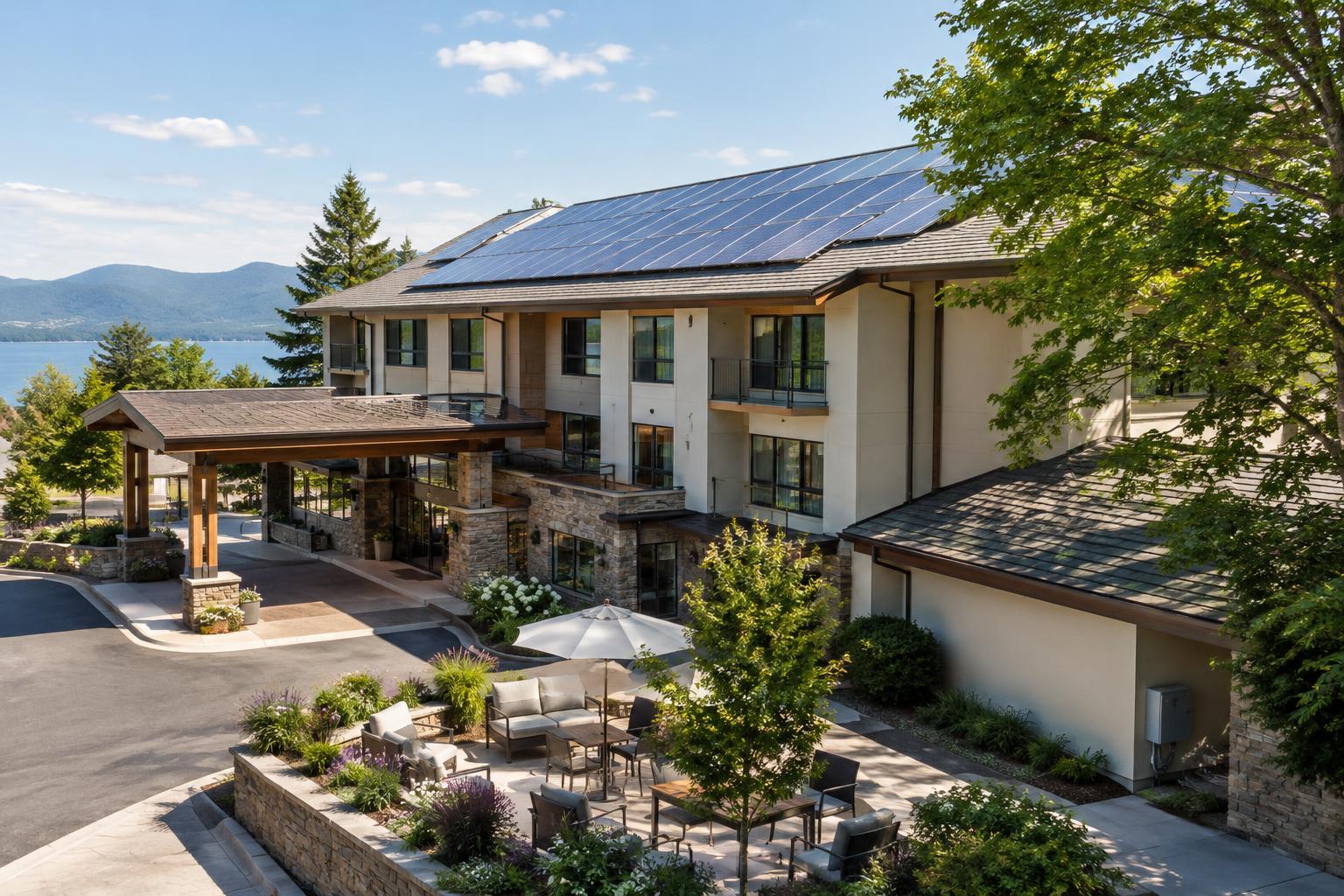
Roof area matters, but usable roof area matters more. Equipment, access paths, fire-safety requirements and shaded sections can limit panel placement. Ask a qualified installer to assess orientation, shading throughout the year, roof condition, structural capacity and exposure to wind or severe weather. If a roof may need replacement soon, coordinating that work with a solar project can help avoid removing panels prematurely.
Ground-mounted arrays or solar canopies may be possibilities where roof space is limited, but they bring their own land-use, drainage, vehicle-circulation and visual considerations. In a guest setting, assess views from rooms and public spaces as well as access for maintenance crews. Panels should not interfere with emergency routes, deliveries or the calm atmosphere the property is trying to create.
Understand the grid connection and project scope
A solar array does not automatically provide power during a grid outage. Many grid-connected systems shut down when the grid fails unless they include equipment designed and approved to operate separately. If backup power is a goal, define which functions need support—perhaps selected lighting, communications or refrigeration—and ask how batteries or other backup systems would work with existing equipment.
Local rules and utility arrangements can materially affect a project. Confirm the process for permits, grid connection, metering and any limits on exporting unused electricity. Ask prospective providers to explain what their proposal includes: panels, inverters, monitoring, electrical upgrades, design work, approvals and commissioning. This makes proposals easier to compare and reduces the chance that essential work is treated as an unexpected extra.
Look beyond the installation price
Compare options using assumptions the hotel team can understand and revisit. These include expected generation, how much electricity the property can use as it is produced, projected operating costs, equipment replacement needs and the effect of changes in electricity demand. Request a clear explanation of any warranties and performance estimates, including what is excluded. Estimates are planning tools, not guarantees of future savings.
Ownership also matters. A hotel may purchase a system or consider an arrangement in which another party owns or operates it. Either approach creates responsibilities that should be clear before a decision: who monitors performance, pays for repairs, handles roof work and manages the system if the property changes hands? Involving facilities staff, ownership and appropriate technical advisers early can reveal practical constraints that a simple price comparison misses.
Plan for daily operations and honest guest communication
Installation can affect parking, loading areas, roof access and noise levels. Schedule work with guest activity in mind, and establish how contractors will protect entrances and shared spaces. Once the system is operating, assign responsibility for monitoring alerts, arranging inspections and keeping safe access to equipment. A system that is not checked can underperform without being obvious to front-of-house teams.
Solar can be part of a hotel’s story, but guest-facing claims should remain specific. Describe what has been installed and, if reliable measurements are available, what the system produces or supplies. Avoid implying that solar makes an entire stay carbon-free. The strongest project is one that fits the site, supports the hotel’s operating needs and can be maintained for years—not merely one that looks impressive in a photograph.