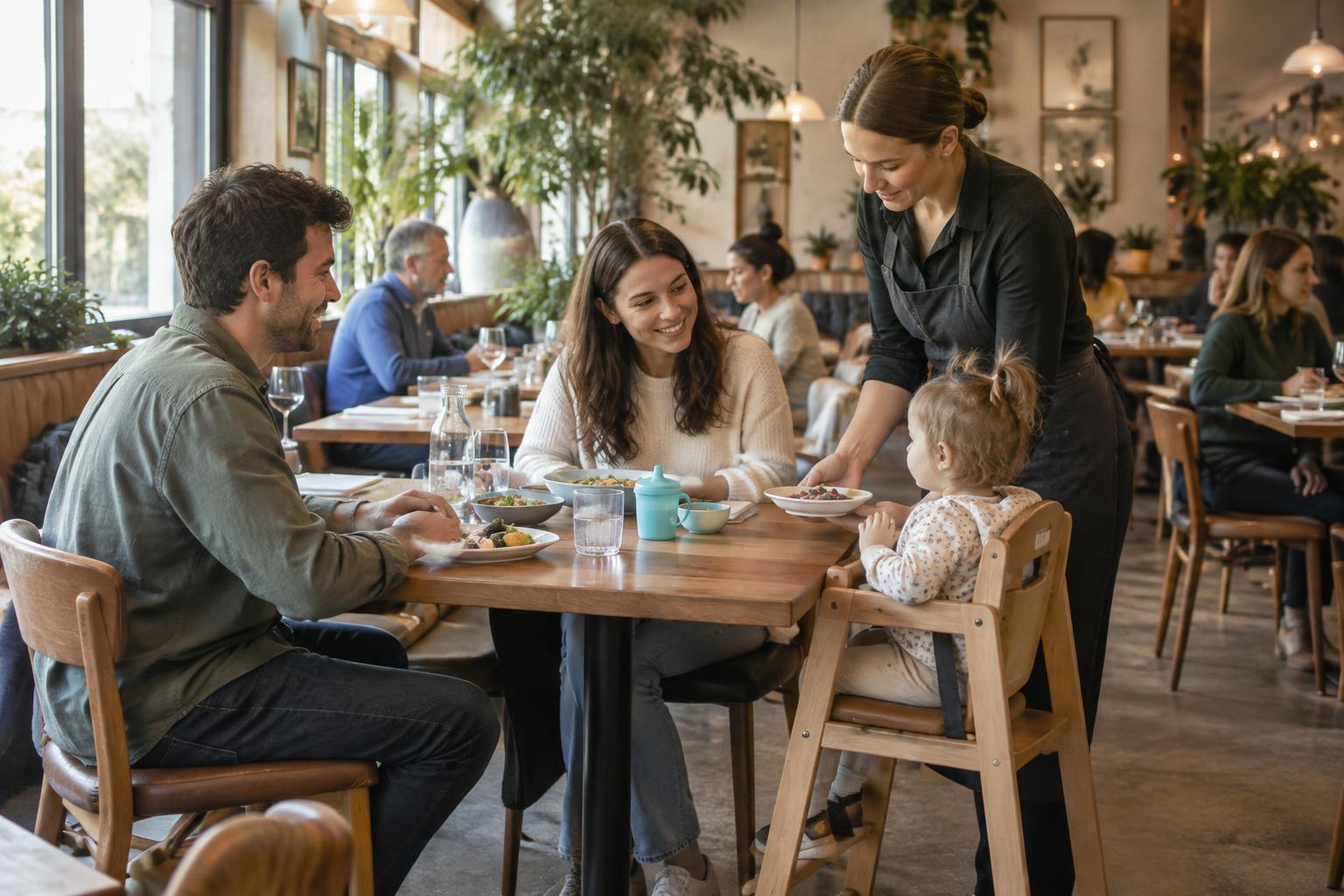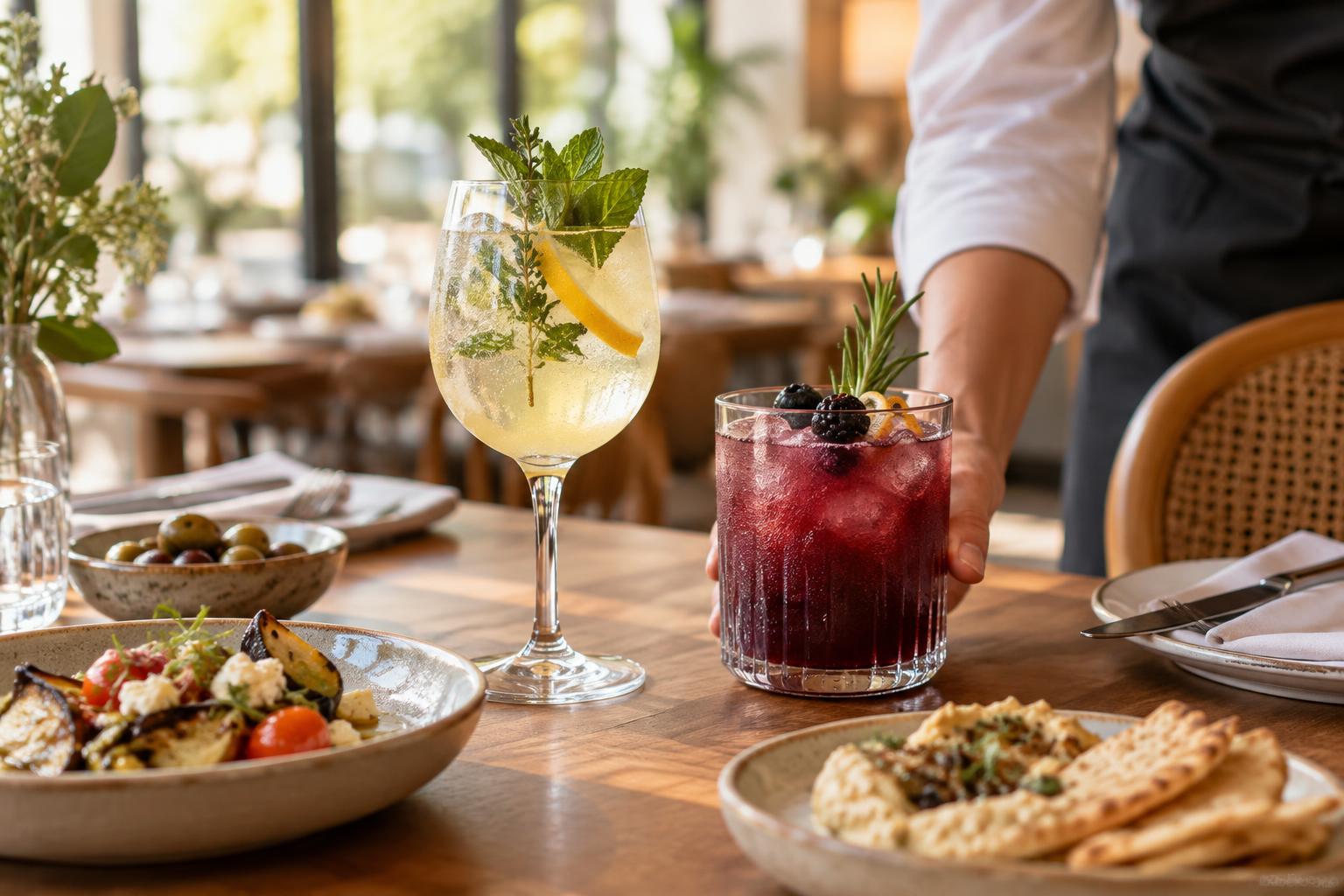
Start with the questions guests actually ask
A menu description can name a dish without helping a guest picture it. “Roasted vegetables with grains” leaves open which vegetables are used, whether the grains are served warm and how substantial the plate will be. Servers do not need to recite a recipe, but they should be able to turn menu wording into a clear, useful explanation.
Begin training with common guest questions: What is in the sauce? Is the fish fried or grilled? Is this enough for a main course? Ask the kitchen and service team to identify the details most likely to affect a guest’s choice. This keeps training focused on decisions rather than on memorizing every ingredient in every dish.
Build a menu guide that is easy to keep accurate
For each dish, create a short internal guide covering its main ingredients, notable garnishes, preparation method, flavor and texture, and intended role on the menu. Include details that a brief printed description may omit, such as a sauce served underneath or a topping added just before service. Keep the language concrete: “crisp exterior and soft center” is more helpful than “delicious.”
Treat the guide as a working reference, not a script. Recipes, substitutions and suppliers can change. Give one person or role responsibility for communicating updates before service, and make it easy for servers to ask what has changed. A quick pre-service review of specials, unavailable items and substitutions can prevent a confident answer from becoming an outdated one.
Teach preparation as a guest-facing explanation
Guests usually want to know what a cooking method means for the food they will receive. Train servers to connect the method to an observable result: a braised dish is typically tender and served with cooking liquid; a grilled item may have a charred surface; a raw preparation is not cooked. These descriptions help guests decide without turning the conversation into a kitchen lesson.
Staff should also know the limits of what they can infer. A preparation method alone does not establish every ingredient in a marinade, coating or sauce. When a guest asks about an ingredient for a dietary reason, the server should check the current recipe and the kitchen’s handling practices rather than guess from the dish’s appearance. If the restaurant cannot confirm a detail or prevent cross-contact, the guest should hear that plainly.
Give portion sizes a shared vocabulary
Words such as “small” and “generous” mean different things to different people. Help servers describe portions in terms of the dining occasion: a few bites to share, a light individual plate, or a main course with sides. Where useful, compare items on the same menu. A server might explain that one starter is designed for sharing while another is closer to a small individual course.
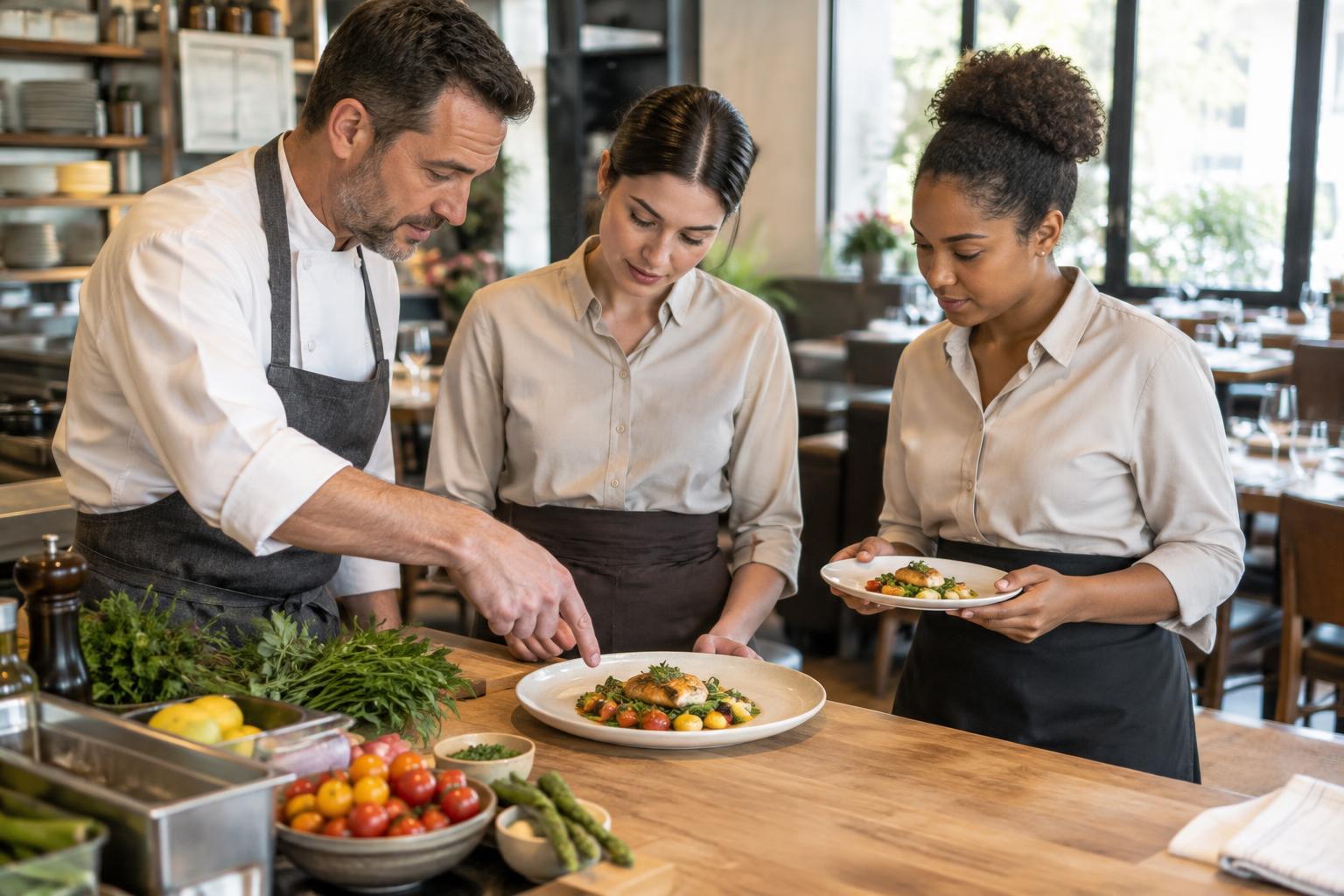
Visual training is valuable here. Let servers see dishes as they leave the pass and discuss what is included on the plate. They should distinguish the size of the central item from the size of the whole meal; a substantial-looking bowl may contain a modest amount of protein and plenty of vegetables. Encourage staff to ask whether the guest wants a light meal, several shared plates or a filling main before recommending an order.
Practice, verify and make room for uncertainty
Short role-play exercises can turn menu knowledge into conversation. Give one trainee a guest question and ask another to answer in a sentence or two, then follow up with a question they cannot answer from memory. Practice a simple response: acknowledge the question, confirm the detail with the kitchen or an approved reference, and return with the answer. The goal is not flawless recall; it is reliable communication.
Managers can reinforce that habit during pre-service discussions and through occasional menu quizzes that test understanding rather than obscure facts. Invite servers to report questions they could not answer, then use those gaps to improve the menu guide. When staff can explain what they know, check what they do not and describe portions without overselling them, guests are better equipped to order with confidence.