Safety judgments begin before the room
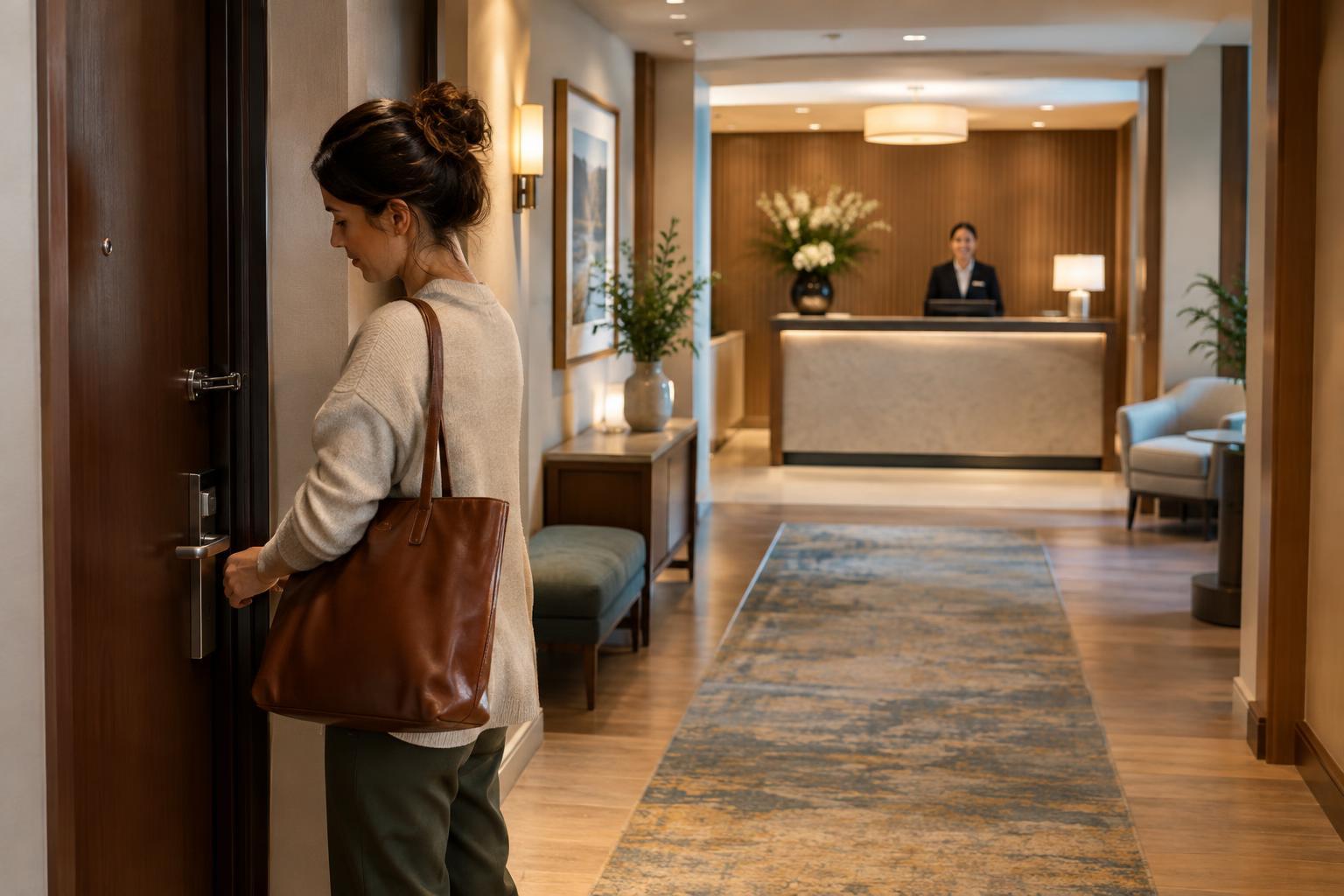
A guest’s sense of security often starts at the entrance. Can they find the reception desk easily? Is the route from the street or parking area well lit and straightforward? Does someone acknowledge their arrival without making them feel watched? These details help guests understand where to go and whom to approach if something goes wrong. A confusing entrance or an unattended desk may cause unease even when the property has sound security procedures.
The surrounding environment matters too. Guests notice whether entrances appear maintained, doors close properly and public areas are easy to navigate. A welcoming lobby need not resemble a checkpoint. The goal is to make access feel managed while preserving the ease that guests expect from hospitality.
Visible care matters more than security theater
Guests cannot inspect every hotel procedure, so they use visible clues. Working lights, clear signs, tidy corridors and staff who know how to respond to questions suggest that someone is paying attention. By contrast, an impressive camera system offers little reassurance if a guest reports a broken lock and receives no clear response.
Good service also respects discretion. Staff can verify a guest’s identity before issuing a replacement key without announcing a room number across the lobby. They can explain why a check is necessary in a calm, matter-of-fact way. Such interactions show that security is a routine part of care, not an obstacle imposed at random.
The room is where trust becomes personal
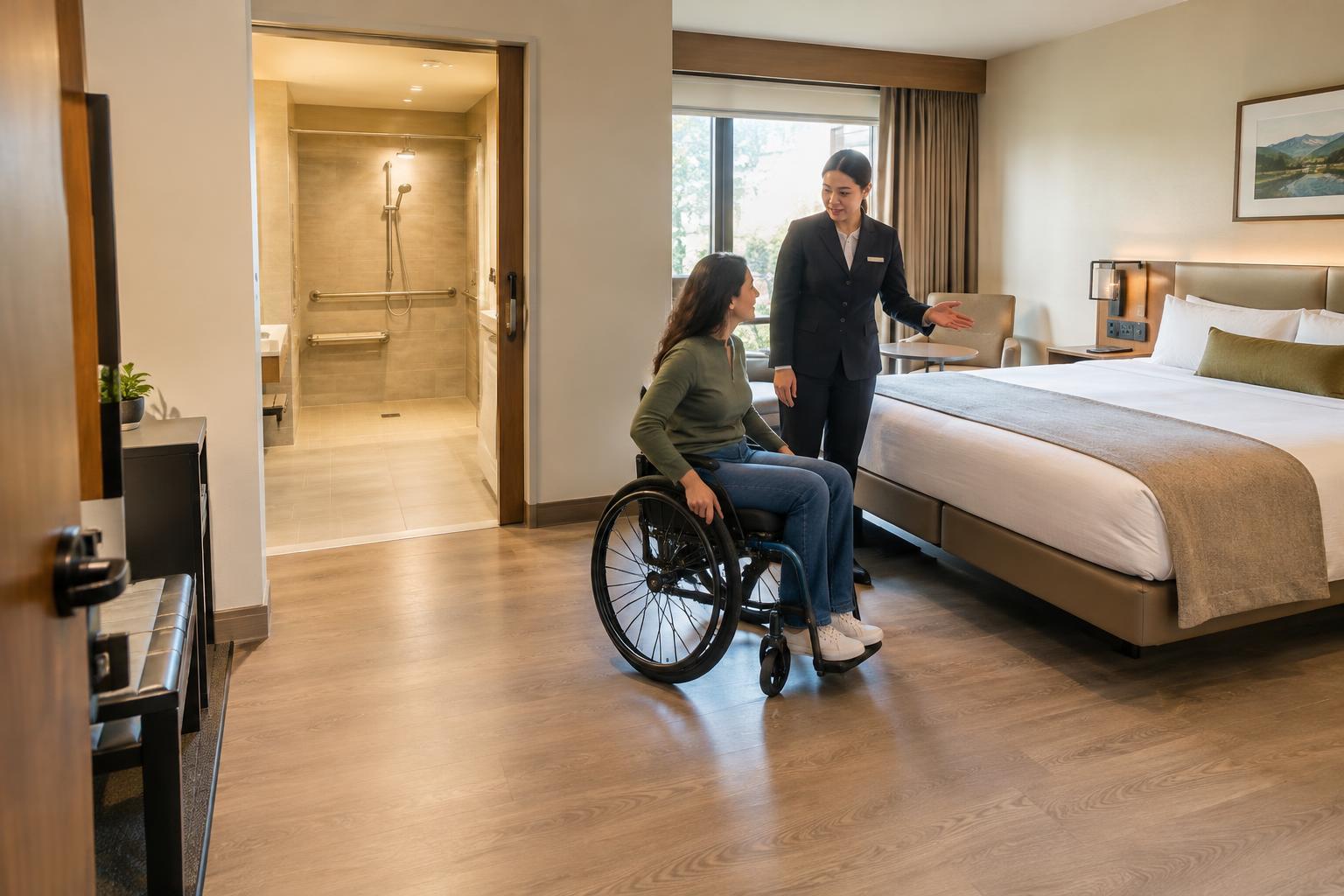
Once inside, guests tend to check the features they can control: the door latch, peephole, windows and any connecting door. They may also notice whether curtains provide privacy and whether the room telephone or other way to contact the desk is easy to find. A simple room introduction can point out these features without implying that the guest should be worried.
Privacy during housekeeping and maintenance is another test. Knocking, identifying oneself and waiting before entering should be consistent practices, not occasional courtesies. When a repair is needed, telling the guest who will come and approximately when helps them decide whether to be present. If a room feature does not work, a prompt, practical remedy does more to build trust than a broad assurance that everything is safe.
Clear information helps guests act confidently
Guests feel better prepared when essential information is easy to locate. Directions to exits, instructions for reporting a concern and a reliable way to reach staff should be understandable without a long search. Hotels can review this information from the viewpoint of someone arriving tired, unfamiliar with the building or unable to use a particular app. Clear signs and more than one way to contact staff can make a meaningful difference.
Digital interactions contribute to the same impression. A message about check-in, room access or payment should make it clear how the guest can verify it through an established hotel channel. Staff should be ready to explain what to do if a key card fails or a phone battery dies. Convenient technology feels more dependable when there is an accessible backup.
Reassurance depends on a credible response
A hotel cannot promise that no guest will ever encounter a problem. It can, however, make it easy to raise one and respond consistently. Listening without dismissing a concern, explaining the next step and following through all shape how a guest judges security. The same principle applies whether the issue is unwanted noise near a room, an unfamiliar person in a restricted area or a door that does not latch.
Different guests may notice different risks. A solo traveler may pay close attention to room-number privacy; a family may focus on access to shared spaces; a guest with limited mobility may need confidence that routes and assistance will work for them. Asking what would help, rather than assuming one standard reassurance fits everyone, keeps the response both practical and respectful. Ultimately, guests judge safety through the combination of physical measures, clear information and people who take their concerns seriously.