Set expectations before the first order
A large table is not simply a small table with more chairs. Guests may arrive at different times, share some dishes but not others, and expect to pay in several ways. A brief conversation at the start can prevent confusion later. The server can ask whether the group has a departure time, whether they want dishes served as ready or in courses, and how they expect to split the bill. The questions should sound helpful rather than like a list of rules.
If the restaurant has a set menu, a limit on separate checks or a policy for large-party service charges, explain it before guests commit to an order. State what the policy means in plain language and leave room for questions. The aim is to give everyone a shared picture of how the meal will work, especially when one person booked the table but others are making their own choices.
Make shared orders easy to identify
Shared dishes need a destination, not just a table number. When taking the order, confirm which items are for the whole group, which are for a smaller cluster and which belong to individuals. For a long table, a simple reference such as “the four guests at the window end” can be more useful than “to share.” Repeat back the arrangement so guests can correct it before the order reaches the kitchen.
Consider the practical side of sharing, too. A dish intended for eight may need extra plates, serving utensils or space that the table does not yet have. Ask whether guests would prefer shared plates placed in the center or divided by the kitchen when that is possible. Check dietary needs and ingredient questions without assuming that everyone eating from the same platter can eat the same things. Clear notes in the ordering system, paired with a quick verbal handoff when needed, help runners deliver food with less guesswork.
Pace courses around the whole table
Large-party timing works best when the server and kitchen agree on what counts as a course. If some guests order starters while others do not, ask whether the group wants those starters brought first or all mains served together. Before sending the next course, confirm that the table is ready. This matters when guests are making speeches, waiting for someone who stepped away or still working through shared dishes.
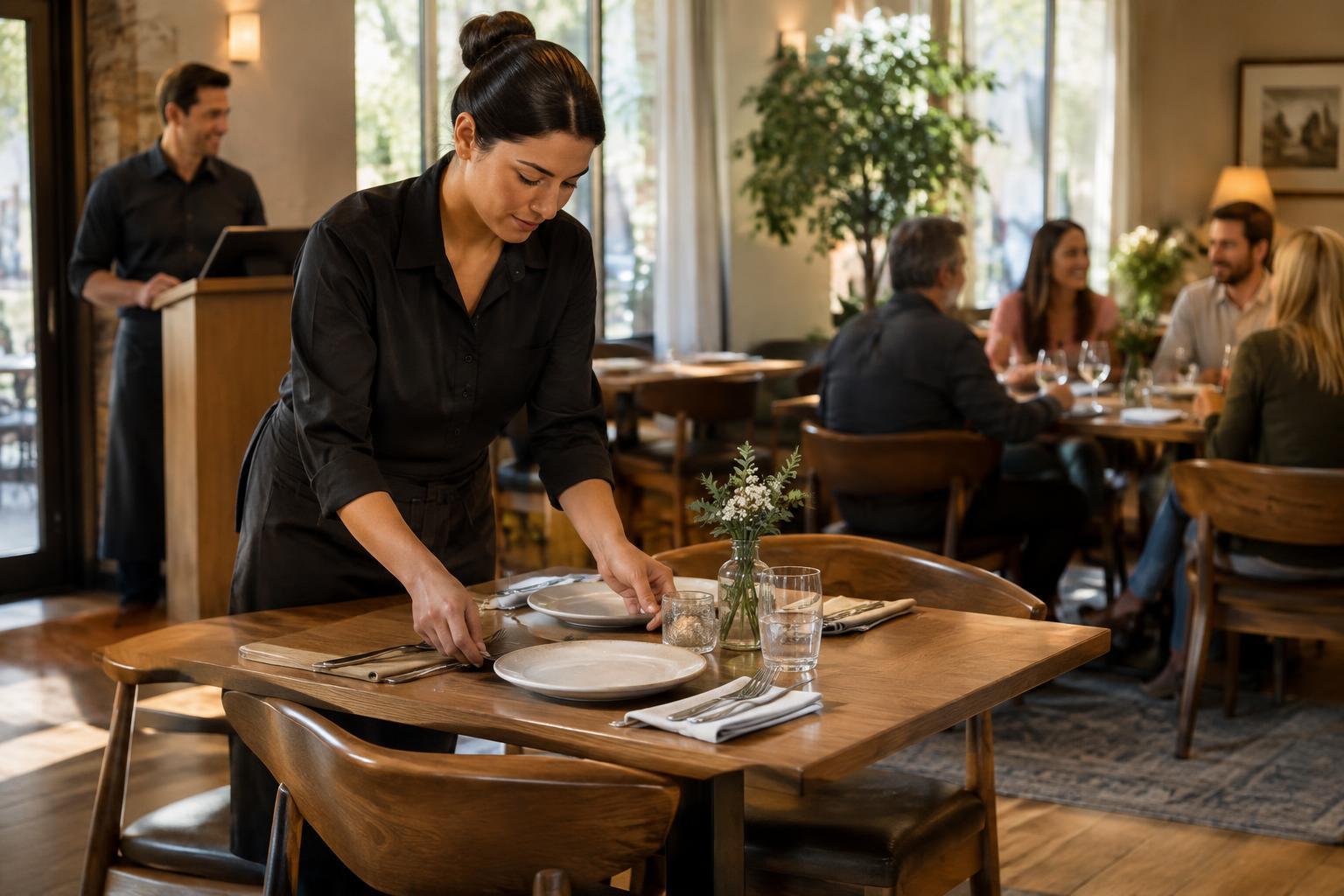
The goal is coordinated service, not a promise that every plate will land in the same second. A team can prepare by clearing unused settings, making room for arriving dishes and assigning runners to particular parts of the table. If one item will take longer, let guests know what is happening and offer a reasonable choice where possible. When the group has a firm departure time, check it early enough to discuss a realistic pace rather than trying to rush dessert and payment at the end.
Plan separate bills before they become a puzzle
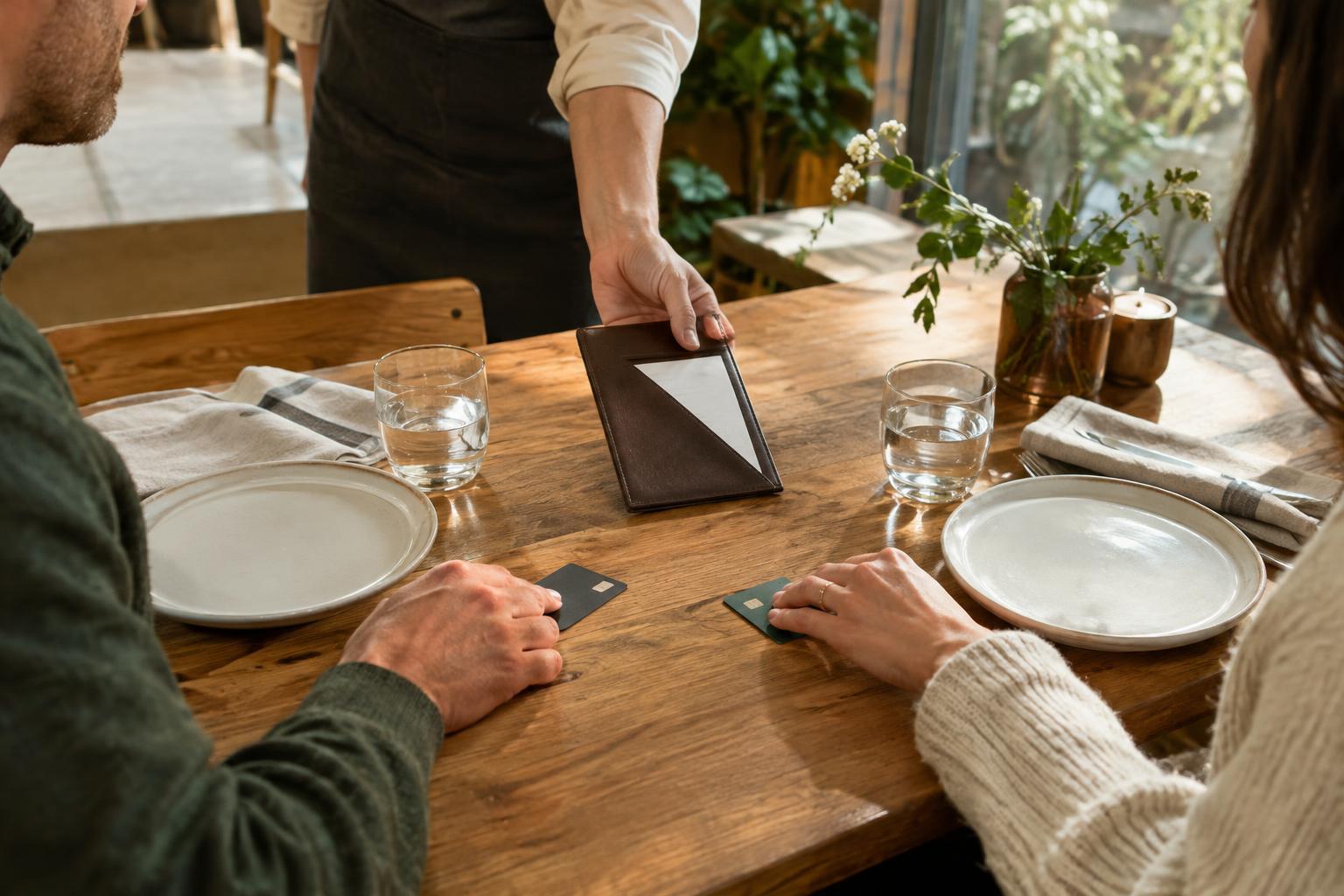
Separate checks are easiest when the payment plan is recorded alongside the order. Ask guests to identify who is paying together and whether shared items should go on one check or be divided. The same question applies to drinks ordered throughout the meal: should each drink follow its guest, or is someone hosting? Confirm the arrangement without making guests announce more about their finances than they wish to share.
Keep the plan visible to anyone who may take over the table. Seat numbers or clearly named check groups can help, provided the team uses them consistently. If guests change seats, update the record rather than relying on memory. Before presenting bills, review shared items, added charges and any transferred orders. If a requested split cannot be handled easily by the payment system, explain the available options before processing payments. A short check at the table is usually kinder than asking guests to untangle several incorrect receipts.
Use brief check-ins and a clear handoff
One server should not have to carry every detail alone. A short pre-service discussion can establish who is taking orders, who is running food and who will handle payment. During the meal, concise updates between the floor and kitchen help everyone respond to changes without repeatedly interrupting the guests. If responsibility for the table shifts, pass along the course plan, dietary notes, shared items and check groups.
Guest-facing check-ins should be well timed. Ask about drinks after the first round has settled, check that shared dishes reached the right people, and offer the next course when the table looks ready. Avoid turning every delivery into another question. Large-party service feels welcoming when the work behind it is organized but not conspicuous: guests know what to expect, staff know what to do next, and the meal has room to feel like an occasion rather than a logistics exercise.