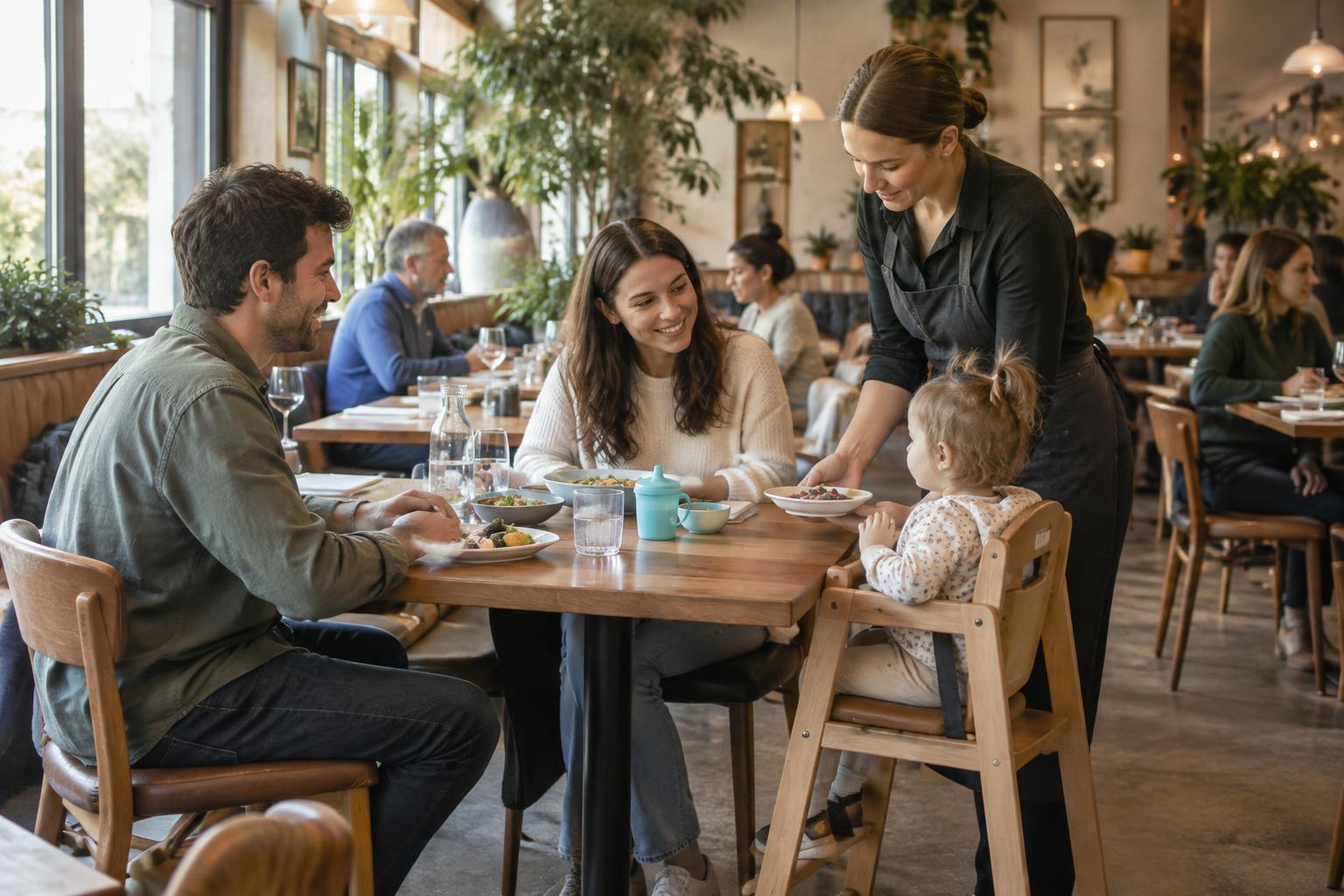
Attentive service starts with observation
A guest should not have to search the room for help, but they should also be able to finish a story without repeated interruptions. Finding that balance is one of the hardest parts of table service. The same action can feel helpful or intrusive depending on its timing: a water offer may be welcome after a glass is emptied, yet distracting in the middle of an important conversation.
Before approaching, servers can take a brief visual check. Are guests looking at menus, eating steadily, making eye contact with staff or turning toward the room? These cues are useful, not conclusive. A quiet table may need help, while an animated one may be ready to order. The aim is to stay available and use a short, considerate question when observation alone does not give a clear answer.
Interruptions: choose the moment and keep it brief
A check-in works best when guests have had a chance to try their food. Asking whether everything is satisfactory as plates arrive gives them little to assess. Waiting until the meal is nearly over may leave too little time to address a problem. Servers can look for a natural pause, approach where they can be seen and ask a specific, brief question such as whether the dishes are working for the table.
Not every service task requires a spoken interruption. Quietly bringing a requested item or removing an unused menu may be possible without stopping the conversation. When a question is necessary, one clear exchange is usually better than several separate visits. Teams can also coordinate so that multiple staff members do not ask the same table identical questions. If guests are deep in conversation, remain easy to signal and return at a more suitable moment.
Unasked refills: offer rather than assume
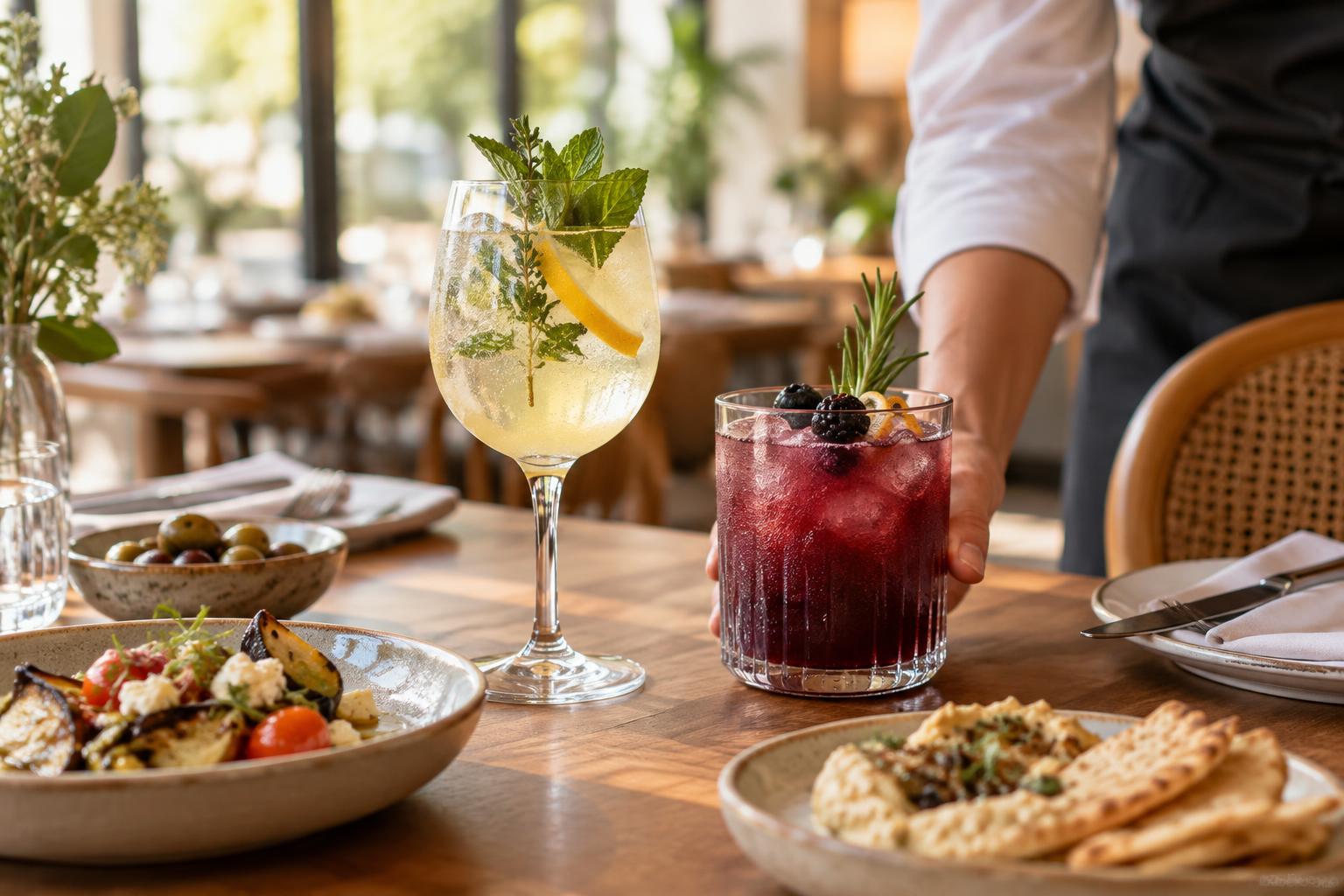
Automatically topping up a drink can take a choice away from the guest. Someone may be finished, want a different beverage or be keeping track of what they consume. Refills that add a charge make explicit permission especially important. Even with complimentary water, an offer gives guests control: “Would you like more water?” is clearer than arriving with a pitcher and pouring without a pause.
Servers should know the restaurant’s refill policy and communicate it plainly. If a refill is not included, state that before taking the order for another one. When guests have asked for regular water top-ups, staff can follow that preference while remaining alert to changes. A nearly empty glass is a reason to check, not proof that its owner wants more.
Premature clearing: treat plates as part of the guest’s space
An empty-looking plate is not always finished. A guest may have set down their utensils to talk, paused between courses or left a small portion they intend to eat. Reaching across someone who is still dining can make the table feel rushed, especially when other guests have already finished. Before removing a plate, ask its owner, “May I take this?” and wait for an answer. Avoid clearing around a diner in a way that draws attention to their pace.
Restaurants differ in when they clear plates, and some guests prefer finished dishes removed promptly. The practical rule is to check rather than rely on a rigid assumption. Once everyone has finished a course, clearing can be efficient without becoming hurried. Staff should also notice whether guests need space for the next course, a takeaway container or time to enjoy what remains.
These habits are easier to sustain when a team agrees on simple service standards: when to make the first check-in, which refills require permission and what language to use before clearing. Brief practice during training can help servers phrase questions naturally rather than recite a script. Good table service is responsive, not invisible or constant. It gives guests a clear path to ask for help while leaving the pace of the meal in their hands.