Start with the decisions the brief must guide
A hotel design brief is a working document for the people planning, designing and operating a property. It should explain what the hotel is trying to achieve, who it is for and how its spaces need to function. A list of preferred colors or inspiring images can help communicate taste, but it cannot resolve a trade-off between a larger lounge and more meeting space. A strong brief gives the team a way to make that choice.
Begin with a short statement of the project: whether it is a new hotel, a renovation or a change to a particular area. Describe the intended positioning, the scope of work and any constraints already known. Separate confirmed requirements from ideas that still need testing. This distinction prevents an early preference from being treated as a fixed design rule and makes the brief easier to update as the project develops.
Describe the guest mix through needs and journeys
Name the principal guest groups, but do not stop at labels such as business traveler or leisure couple. Explain why each group might choose the property, when they are likely to use it and what could make a stay difficult. A guest arriving late may value a clear route to check-in and an easy way to get food. A family may need places to pause with luggage and belongings. These observations are more useful to a designer than a broad demographic profile.
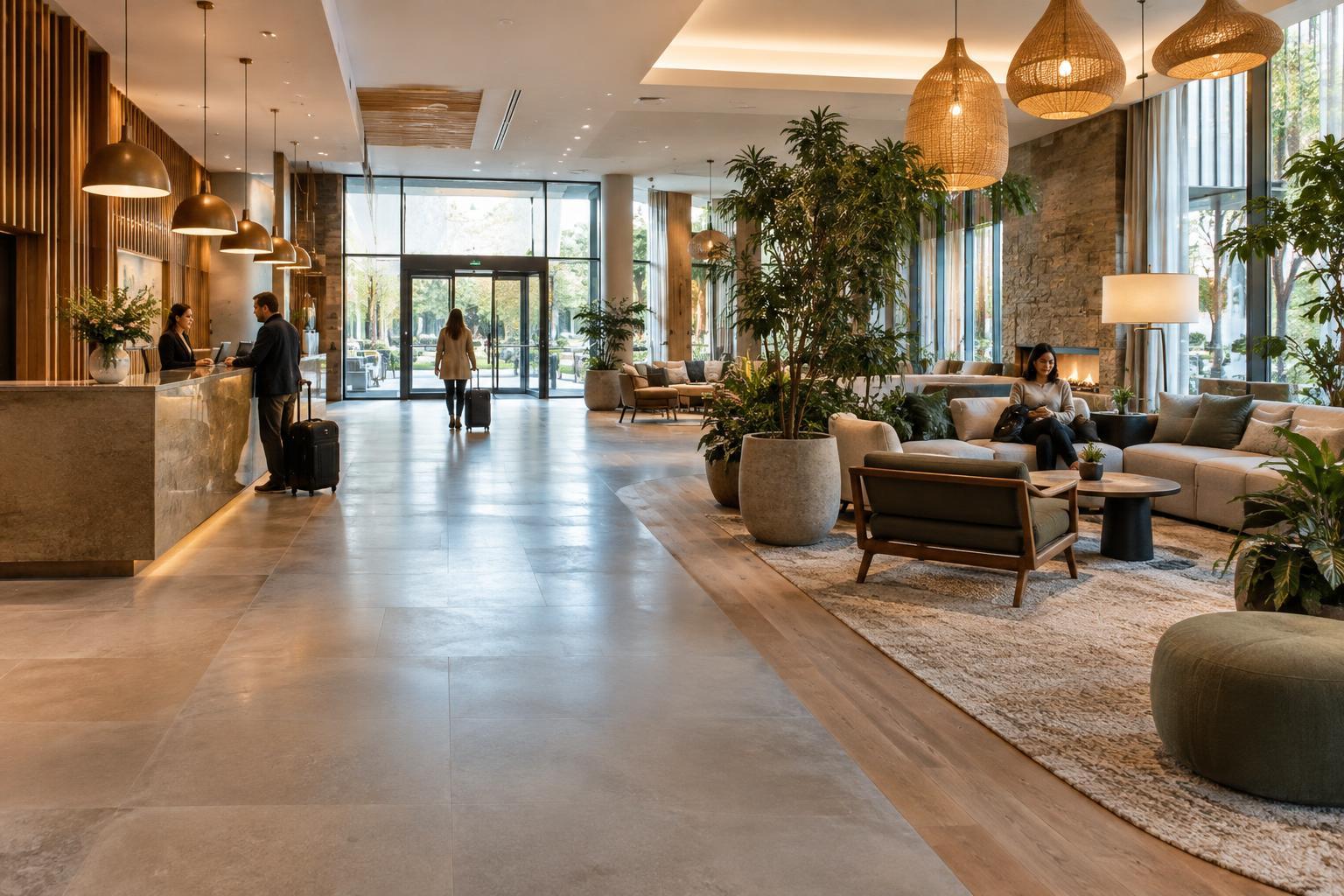
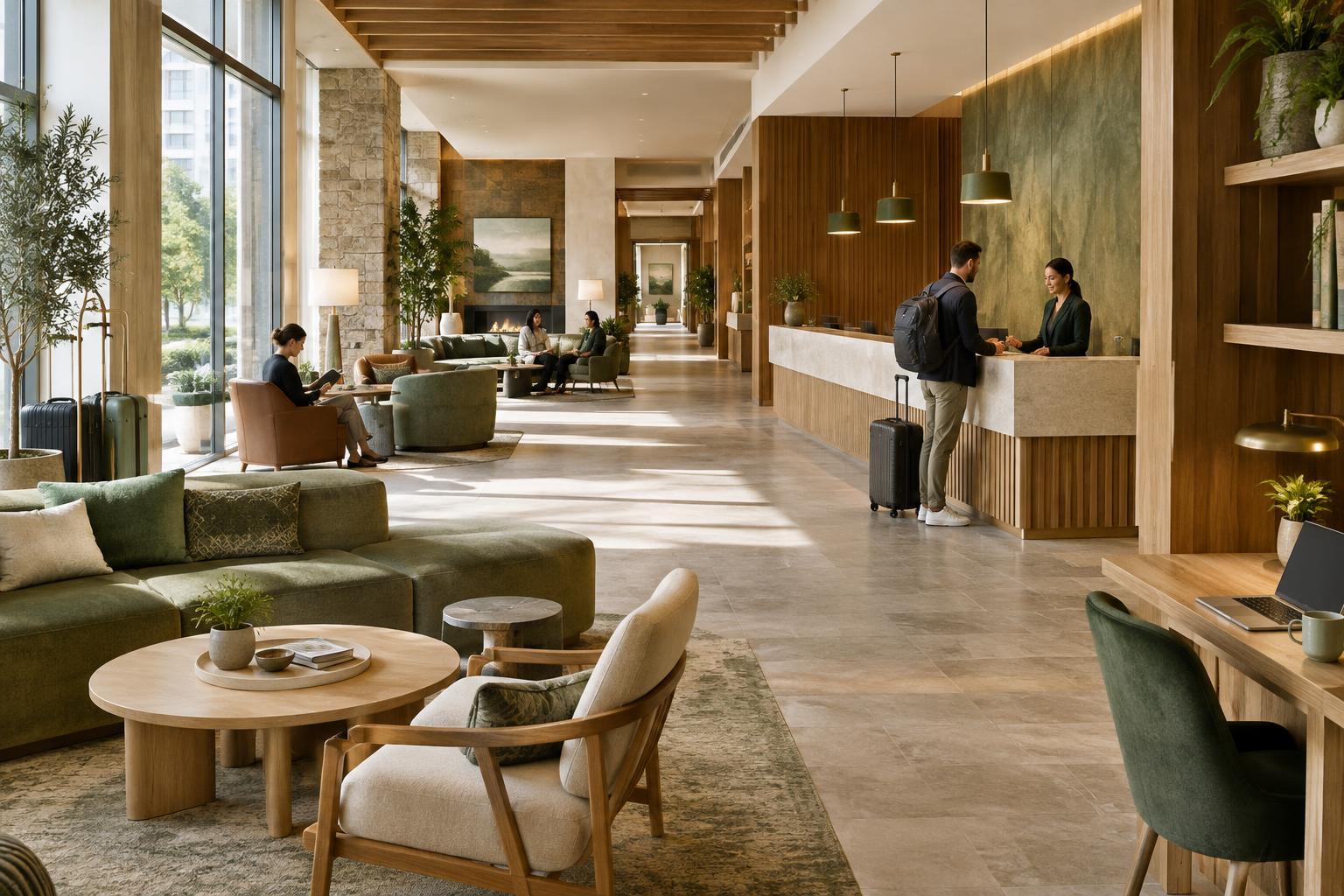
Sketch a few typical journeys from arrival to departure. Include moments such as finding the entrance, waiting for a room, moving between a guestroom and shared spaces, and leaving with bags. Note where guest needs overlap and where they conflict. A lively lobby might suit people meeting friends while making it harder for someone to take a quiet call. The brief should identify both needs rather than assuming one space will satisfy everyone at once.
Turn activities into space requirements
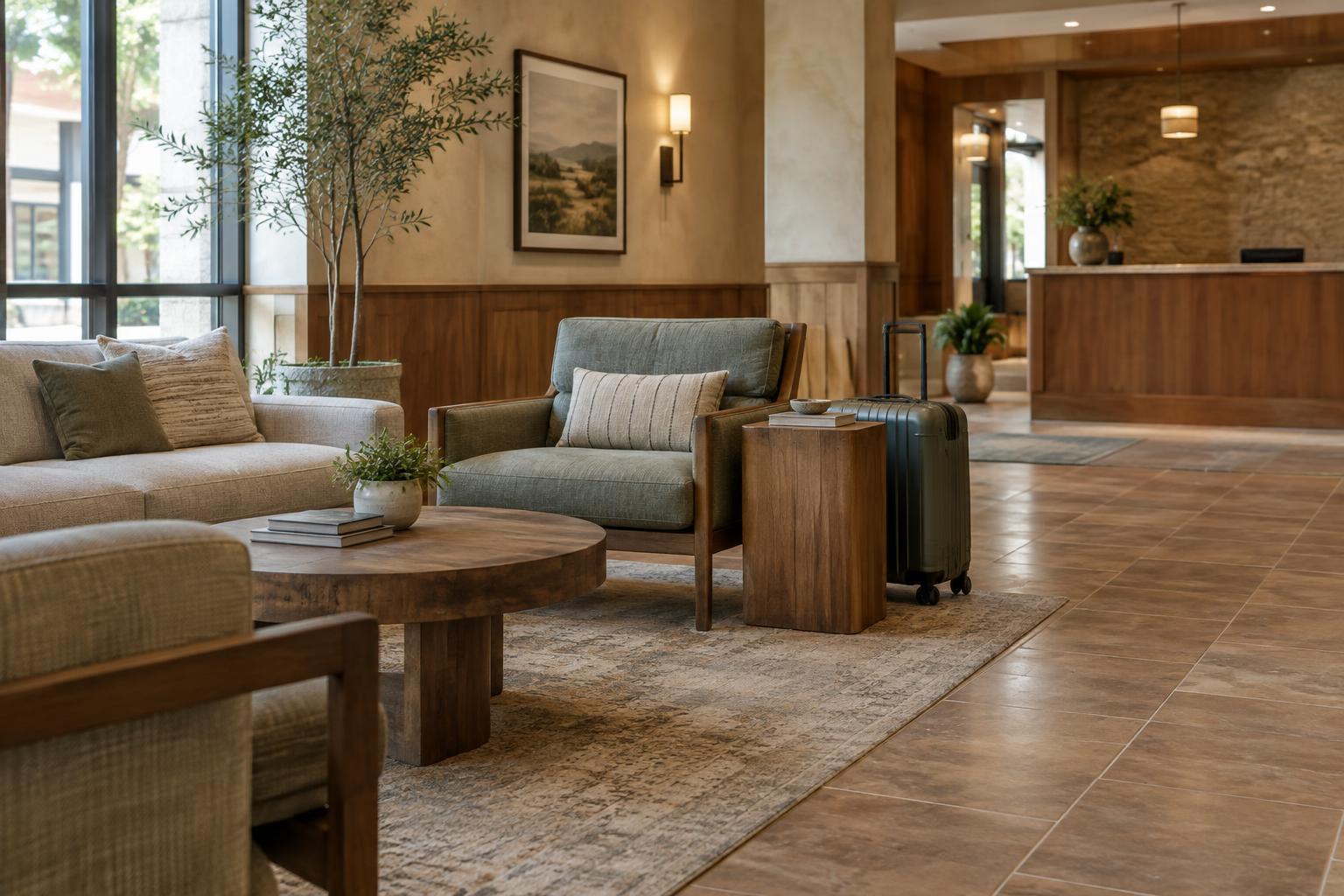
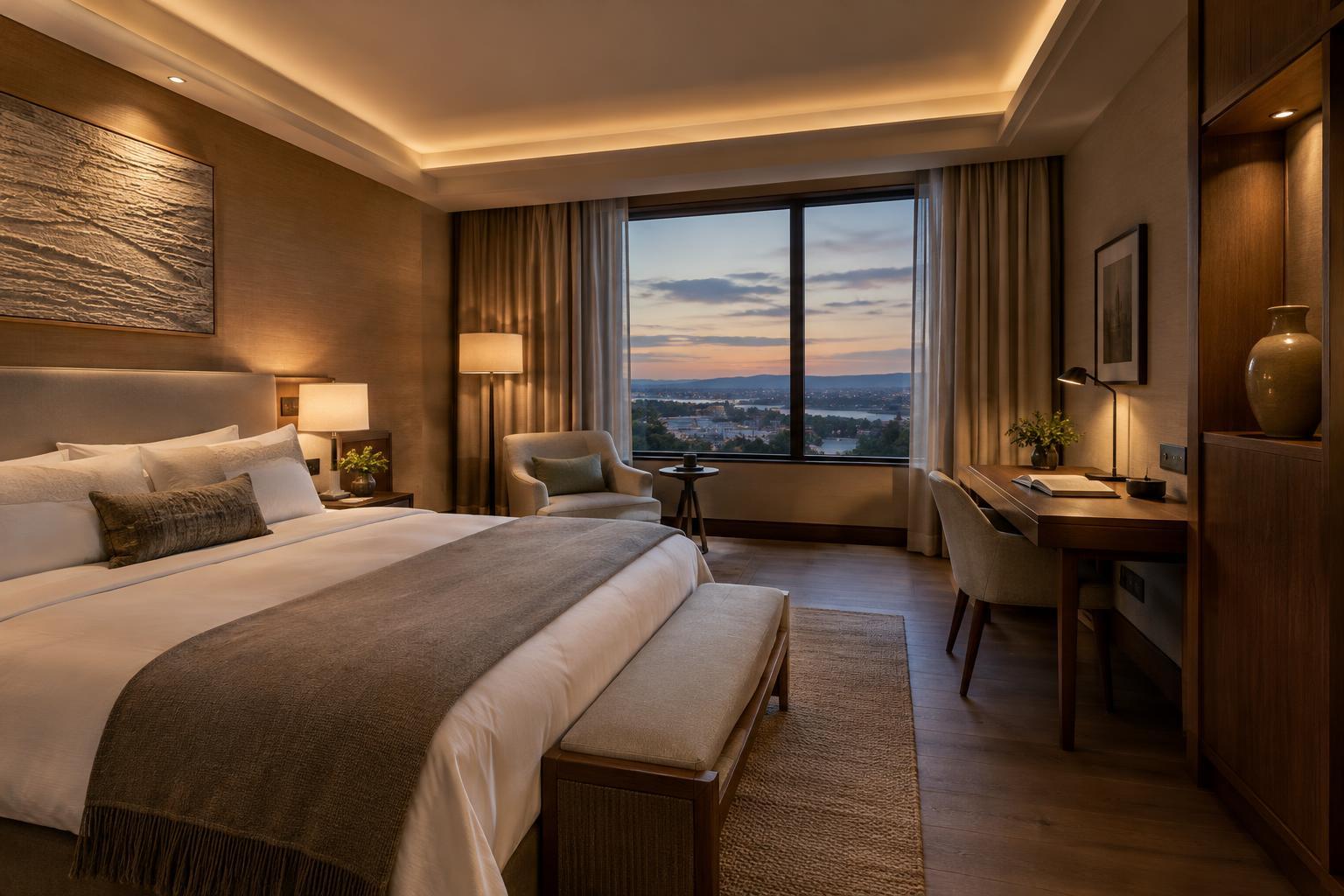
For each area, state what people must be able to do there before specifying its appearance. A lobby may need to support orientation, check-in, short waits and informal conversation. A guestroom may need room for sleep, storage, work or simply unpacking, depending on the intended stay. Think about relationships between spaces as well: guests should be able to find key destinations without confusion, while staff need workable routes for service and replenishment.
Ask operational colleagues to review the proposed uses. Where will deliveries arrive? How will housekeeping supplies reach rooms? Can food and beverage staff clear a shared area without repeatedly crossing guest paths? These questions often reveal needs that are easy to miss in a concept image. Record known capacity or equipment requirements where available, and flag anything that depends on later planning. Accessibility, safety and local requirements should be addressed with appropriately qualified project specialists.
Translate brand goals into observable choices
Words such as warm, local and effortless can set a direction, but they mean different things to different people. For each brand goal, describe what a guest should notice and what the team needs in order to deliver it. If the aim is a relaxed welcome, that might call for an arrival layout that is easy to understand and seating that feels inviting without obstructing circulation. If the aim is a strong sense of place, identify which materials, stories or partnerships the team can use authentically.
Include practical expectations for durability and upkeep. A finish that looks appealing at opening may be a poor fit if it is difficult to clean or replace in a busy area. Likewise, a highly flexible room only helps if staff can reset it within the time and resources available. The brief should connect atmosphere to daily use, so the design does not depend on an operating routine the hotel cannot sustain.
Set priorities and keep the brief useful
Finish by ranking requirements rather than presenting every wish as equally important. Identify the essentials, the features that would add value and the ideas that can be reconsidered if space or budget becomes tight. Where priorities compete, explain the intended balance. For example, a welcoming public area may matter more than a large one if guests can find a comfortable seat and staff can manage peak arrivals. Clear priorities help the team explore options without losing the project's purpose.
Give each major requirement a simple question the design team can test: Can a first-time guest find reception? Does the proposed furniture arrangement support the activities named in the brief? Can staff maintain the intended experience during a busy period? Review the document with design and operations teams as plans take shape, recording decisions and unresolved questions. A good brief is not a script for every detail; it is a shared reference for making consistent choices.