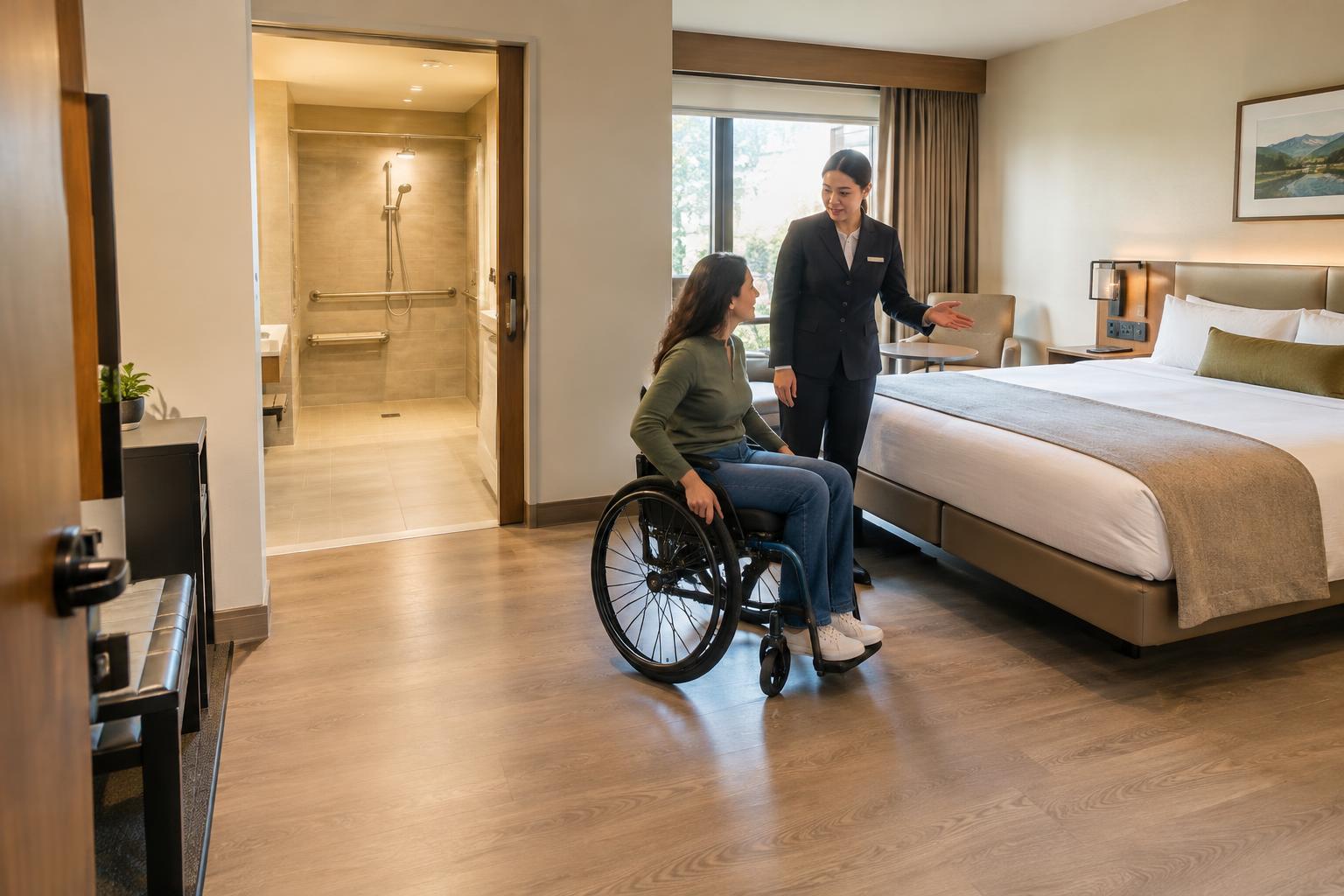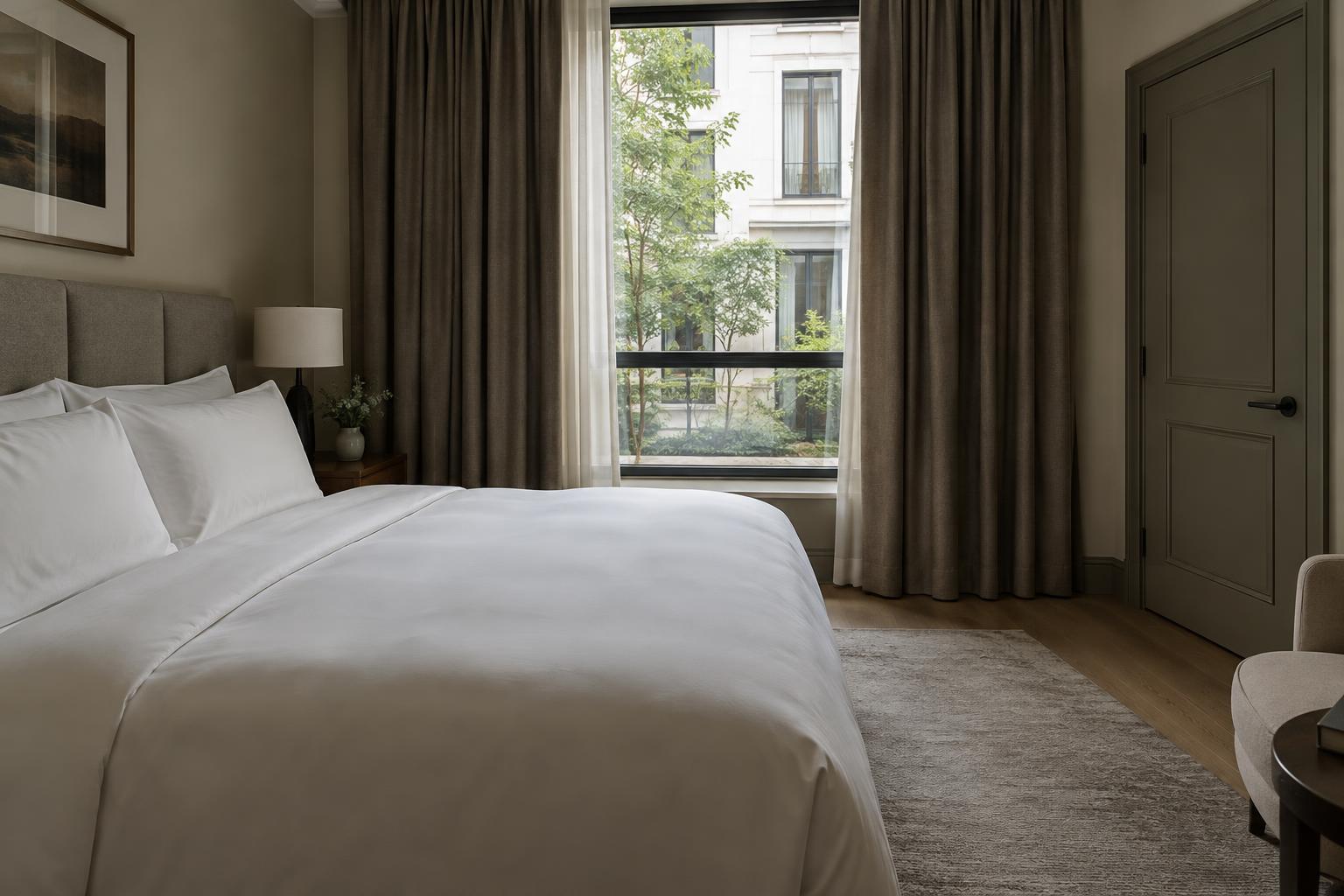
The first impression begins at the doorway
When a guest enters a room, they usually take in the whole space before inspecting any one surface. The lighting, smell, temperature and overall order of the room create an immediate impression. A freshly cleaned room can still feel less than ready if the air is stale, the curtains hang unevenly or a cleaning cart remains in view outside the door. These details do not necessarily indicate poor hygiene, but they can prompt a guest to look more closely.
A useful final check is to pause at the entrance and see the room as a guest would. Is the path clear? Are lights working and set to a welcoming level? Do furniture, cushions and amenities appear intentionally arranged? A neutral-smelling room is often more reassuring than one with a strong fragrance, which may make guests wonder whether an odor is being covered. Where possible, teams should address the source of a smell rather than relying on scent to change the impression.
Visible surfaces invite closer inspection
Guests commonly notice the places they expect to use first: the desk or table, bedside surfaces, switches, handles and remote control. Dust on a dark tabletop, fingerprints on a mirror or a ring left by a glass can stand out even when the rest of the room is tidy. Because these marks are easy to recognize, they may affect how a guest judges less visible parts of the cleaning process.
The goal is not to make every object look untouched. It is to leave surfaces visibly clean and ready for use. Staff can check high-touch items under the room’s normal lighting, not only under bright cleaning lights. They should also consider what a guest will see while sitting on the bed or at the desk: a missed shelf or smudge may become obvious from those angles. A simple, consistent inspection route helps prevent familiar details from fading into the background during a busy shift.
Bedding sets expectations for comfort
The bed is often the room’s focal point, so its presentation carries weight. Smooth, well-positioned linens and pillows that appear clean make the space feel prepared. Hair, visible stains, torn fabric or an unevenly made bed can quickly undermine that impression. Even a small mark matters when it appears on the surface where a guest expects to rest.
A visual check should include more than the top of the duvet. Pillowcases, exposed sheet edges, the headboard and the area around the bed are all easy for guests to notice. Teams should replace questionable linens rather than trying to make a flaw less visible. For a guest, confidence comes from being able to use the bed without first having to examine or rearrange it.
The bathroom offers clear evidence
Bathrooms give guests many quick cues about cleanliness. A dry sink, clear mirror and clean fixtures are easy to assess at a glance. Stray hair, residue around a drain, marks on a toilet seat or a damp counter are equally easy to spot. Because guests use these surfaces directly, a bathroom that looks unfinished can shape their view of the entire room.
Teams can make the final bathroom check practical by looking from the doorway, then from the positions a guest will use: at the sink, beside the shower and near the toilet. This change in viewpoint may reveal marks hidden by reflections or fixtures. Towels should appear fresh and be placed where guests can find them without searching. Supplies should be present and orderly, but presentation should not distract from the basic question: are the surfaces clean and ready to use?
Consistency matters more than a perfect-looking photograph
A guest may notice a minor imperfection without losing confidence, especially if the room otherwise feels well cared for. Confidence becomes harder to maintain when several small issues appear together: a dusty lamp, a marked cup and a bathroom bin that was not emptied. Consistent standards across rooms and shifts are therefore more useful than occasional elaborate presentation.
Operationally, that means giving staff enough clarity to distinguish between a room that has been cleaned and a room that is ready for arrival. Checklists can support that distinction, but they work best alongside a final look from the guest’s perspective and a straightforward way to report items needing repair. A worn surface, for example, may not be dirty, yet it can look that way if it is never addressed.
If a guest reports a cleanliness concern, a prompt, respectful response is part of the experience. Listening without arguing about what should have been noticed, then explaining the available remedy, helps restore trust. The room’s first impression matters, but so does the property’s response when that impression falls short.